Across the global climbing and mountaineering community, new federations continue to emerge, some of whom are driven by passionate young outdoor enthusiasts seeking safe, responsible ways to explore their natural landscapes. One such organisation is the Syrian Association for Mountain Activities (SAMA), a young but ambitious federation working to build a structured climbing and outdoor culture in Syria while connecting with the international mountaineering community. SAMA became a full UIAA member association at the General Assembly held in Peja, Kosovo in October 2025.
Founded in 2022 and headquartered in Jablah in the Latakia region, SAMA represents a new generation of climbers, hikers, and adventurers who see mountains not only as places of challenge and exploration, but also as spaces for education, environmental awareness, and community building.
Information for this article was supplied by Rahaf Jdeed, Secretary and Communication Manager for SAMA.
A desire to be part of the Global Mountain Network
A central question for any emerging national federation is why international affiliation matters. For SAMA, the motivation to apply for UIAA membership was clear from the outset of their application process: alignment with international standards in safety, training, and mountain protection. The organisation also hopes to connect with climbers worldwide, exchange expertise, and present a more positive image of Syria’s landscapes and culture to the international outdoor community.
As Rahaf Jdeed details: “We hope to benefit from internationally recognised expertise in safety, training, and mountain protection. Being part of the global mountaineering community will allow us to learn from diverse experiences, connect with climbers from different cultures, and exchange best practices. We also aim to strengthen the skills of our instructors and volunteers through exposure to proper techniques and modern standards, helping us build a stronger climbing culture in Syria. At the same time, we look forward to sharing our country’s mountains, landscapes, and cultural heritage with the international community.”
Providing a pathway for young climbers
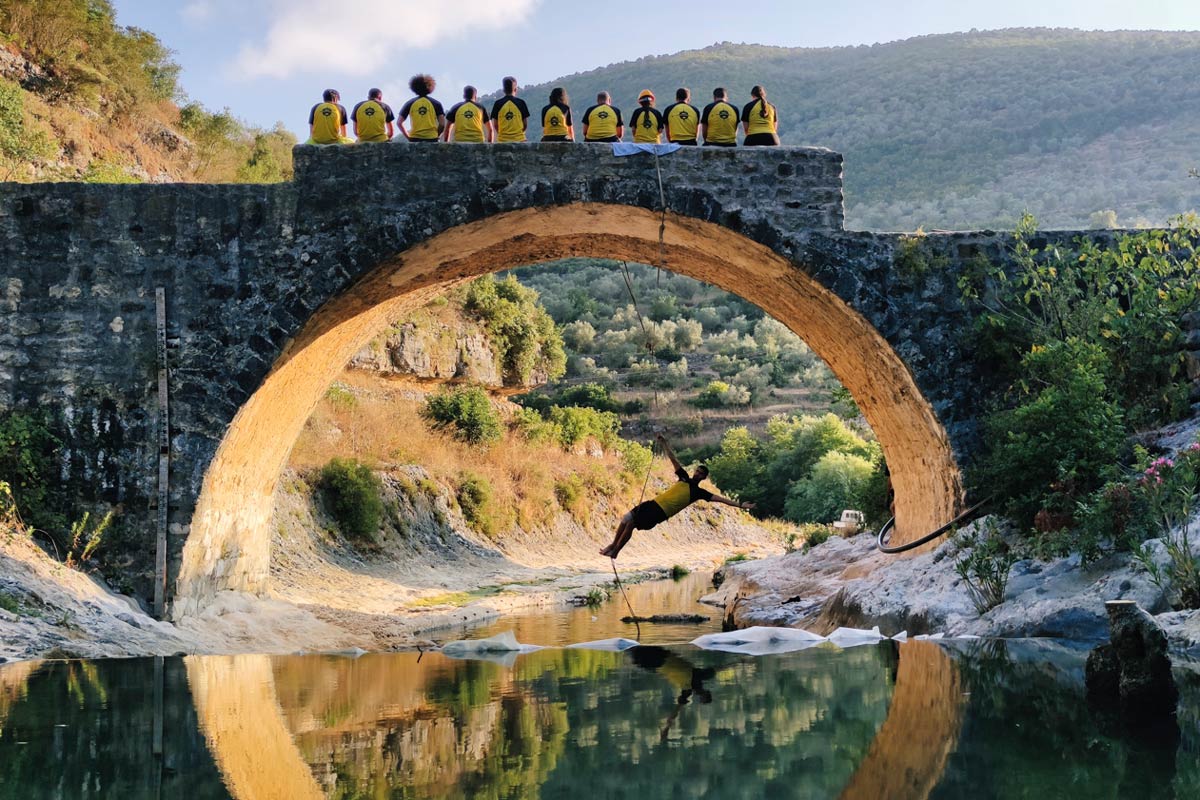
SAMA’s membership profile reflects a broader trend seen in many countries: young people increasingly turning toward outdoor activities as a source of adventure, community, and personal development. Currently, the federation has around 50 individual members, most under the age of 30, supported by a growing network of approximately 70 volunteers operating across several provinces. Although there is not yet a club-based structure, the organisation plans to develop a federated system in the future that will allow local clubs to form under the national
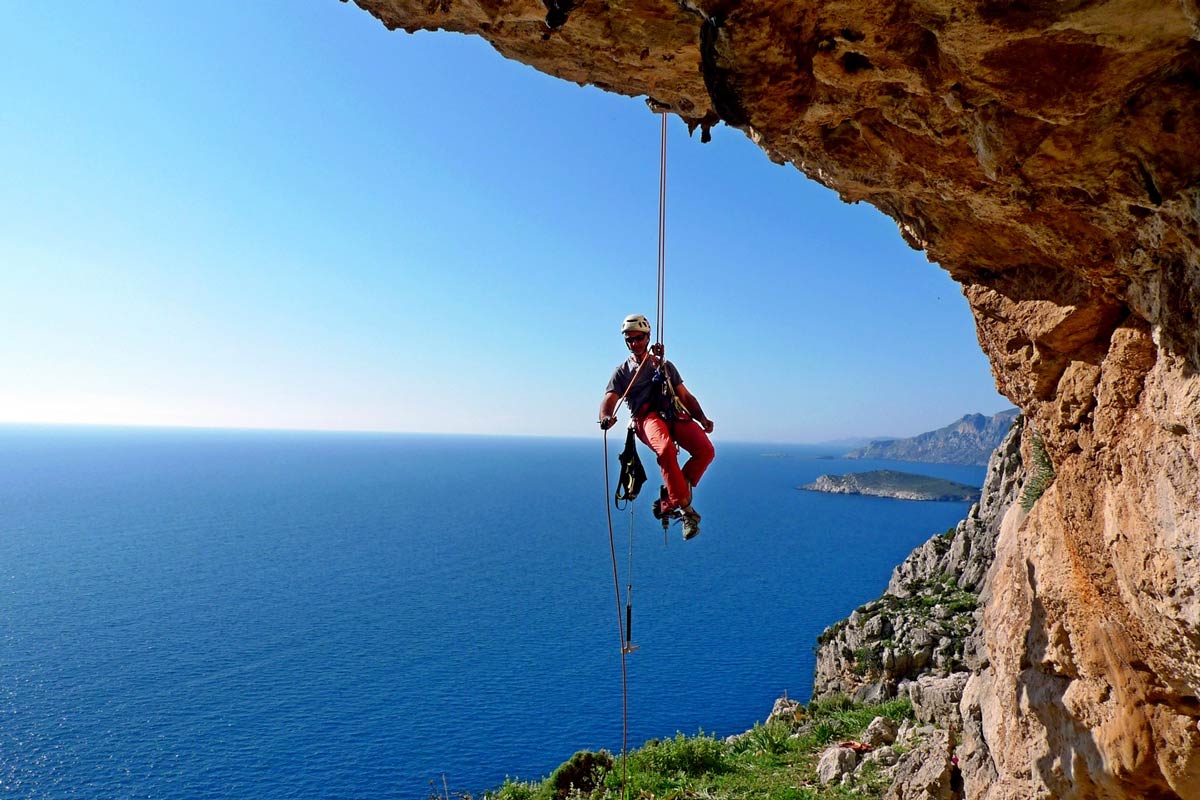
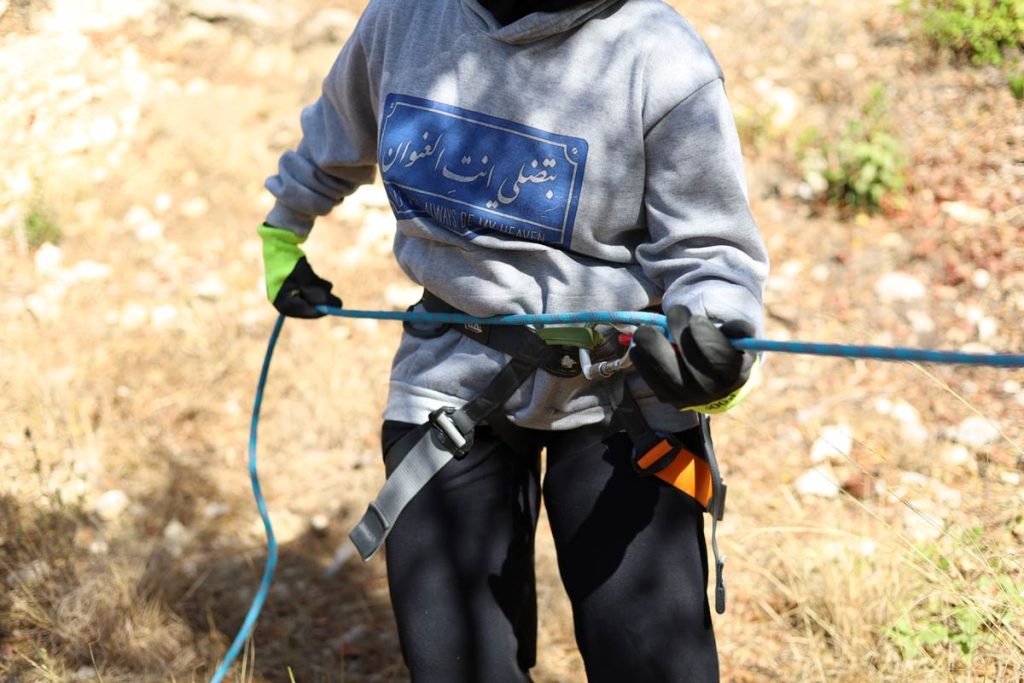
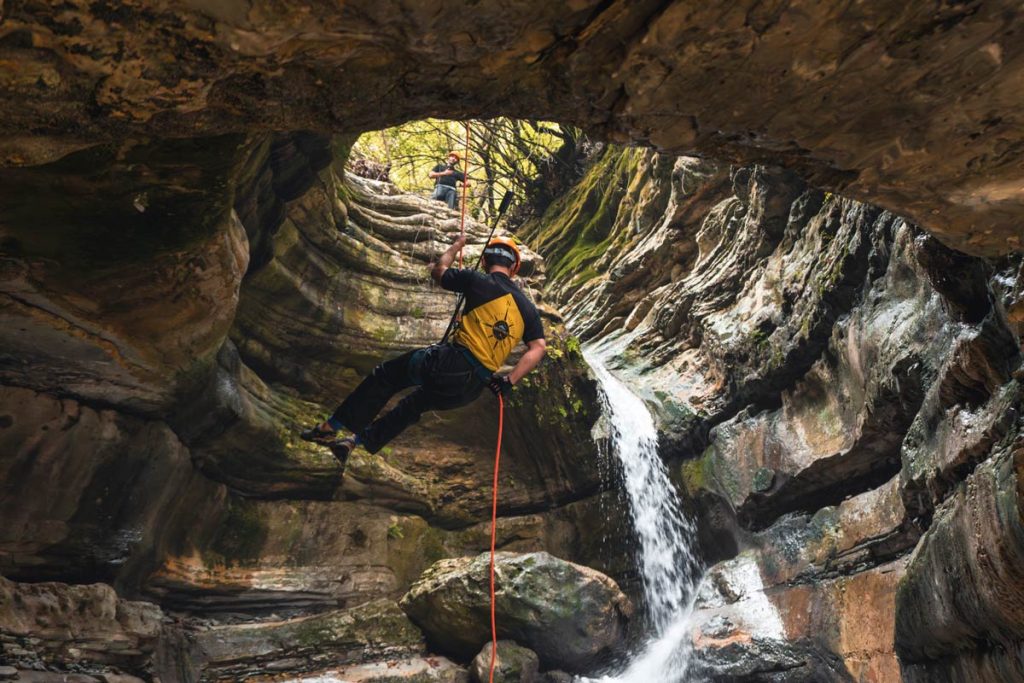
Hiking and trekking remain the core activities for most members, with camping widely popular among young outdoor enthusiasts across the country. Basic rock climbing, rappelling, canyoning, and cave exploration are growing steadily, supported by training programmes and field activities organised by the federation.
A notable recent milestone is the opening of the first dedicated climbing gym in Damascus, signalling increasing interest in climbing as both a recreational and competitive sport.
Syria’s mountain environment
Although Syria is not widely known internationally as a climbing destination, its terrain is surprisingly varied. Limestone and sandstone formations dominate the coastal ranges, while river valleys, karst systems, and high plateaus create ideal conditions for trekking, canyoning, and cave exploration.
Mount Hermon (2814m), the country’s highest peak, holds particular geographical and cultural significance. While access to the summit is currently restricted due to territorial circumstances, the mountain remains symbolic of the country’s alpine potential. Climbers working within accessible areas have already established routes and exploratory ascents that demonstrate the region’s opportunities for mountaineering development.
For outdoor enthusiasts, the broader Syrian landscape offers extensive ridgelines suitable for long-distance trails, canyon systems carved by seasonal waters, and cliffs appropriate for introductory climbing. With proper infrastructure, training, and safety standards, the country could eventually become a compelling destination for adventure tourism.
SAMA’s first steps
SAMA’s approach to development has emphasised ambitious but carefully planned objectives designed to motivate participants and build confidence. Among its achievements are the first documented ascent of the highest accessible point of Syria’s tallest mountain – the aforementioned Hermon – the creation of a 100-kilometre multi-day mountain trail, the country’s first underground aquatic cave descent, and the highest technical rappel descent recorded domestically.
Such initiatives are not only sporting milestones; they are tools for fostering teamwork, resilience, and leadership among young participants. By encouraging responsible adventure, the federation aims to cultivate both technical competence and a deeper appreciation for the natural environment.
Training, Safety, and Environmental Responsibility
Safety and education already form a central pillar of SAMA’s activities. The federation runs training programmes covering hiking skills, navigation, camping techniques, and rappelling, while also organising rescue workshops and awareness sessions focused on mountain medicine and first aid. A long-term objective is the establishment of a certified mountain rescue capability within the country.
Environmental protection is equally important. Regular clean-up campaigns, tree-planting initiatives, and wildlife awareness programmes aim to promote responsible outdoor practices. Educational publications such as guidebooks on local wildlife such as snakes and scorpions and a series of nature guides help reinforce a culture of environmental stewardship among participants.
Who can travel to Syria
Tourism to Syria has gradually begun to recover in recent years, with increasing numbers of travellers expressing interest in wilderness exploration and climbing. SAMA has already hosted international visitors and provides full logistical and safety support for foreign climbers wishing to explore the country’s mountains.
As Rahaf Jdeed explains: “In recent years, Syria has begun to see a gradual recovery in the tourism sector, with the Ministry of Tourism reporting an increase of nearly 80% in visitor numbers. This growth has included a noticeable rise in travellers interested in wilderness exploration, camping, and climbing—many of whom SAMA has already hosted.”
Visitors can join organised group activities, experience local outdoor culture, and explore both natural and historical sites under guided supervision. This approach allows international climbers to discover new terrain while ensuring that exploration takes place safely and responsibly.
Anyone planning on visiting Syria should first seek travel guidance and advice from the competent authorities in their respective countries.
Plans for the coming years
Although still in its early stages, SAMA has outlined an ambitious vision for the future. Plans include developing sport climbing structures aligned with international standards, expanding training programmes, and transitioning toward a federated model that will support the formation of local clubs across the country.
Equally important is the federation’s social mission: offering young people constructive opportunities to engage with nature, develop leadership skills, and build a healthier lifestyle through outdoor activities. In a country that has experienced years of instability, the mountains provide a powerful setting for renewal, cooperation, and shared purpose.
The UIAA welcomes SAMA as part of its Global Mountain Network.
Further Resources
UIAA member associations
SAMA website
SAMA Facebook
SAMA Instagram