
← Back to High Altitude Medicine FAQs

Health Advice FAQs for Older Mountaineers (65+)

General Questions

Do I need a medical checkup before mountain travel?

A pre-travel consultation with your doctor, or ideally a mountain medicine specialist, is strongly recommended if you:

• Plan to visit remote areas
• Anticipate difficult environmental conditions
• Have potentially serious or not yet stabilised health conditions
• Have questions or doubts

Review the following together:

• Your travel/mountain plan – Describe intended mountain sports, countries/regions, anticipated environmental challenges (e.g. high altitude, extreme temperatures) and potential remoteness from medical help.

• Ascent profile – Best discussed with a mountain medicine specialist. Discuss your intended ascent profile (maximum altitude, rate of ascent, sleeping altitudes). Share any prior episodes of altitude illness, as previous episodes increase the risk of recurrence, but better acclimatisation and appropriate medication help reduce the risk. Note that altitude illness can occur even without prior episodes, and at lower altitudes than expected. Determine together whether medication to help reduce the risk should be prescribed.

• Existing medical conditions – Review any existing medical conditions, including heart/lung issues. Seek advice about strategies to best manage your health conditions while travelling.

• Existing medications – Carry an adequate supply of your regular medications and extra supply if relevant. Carrying copies of your prescriptions can be useful or necessary, depending on your destination. Some countries require a medication declaration form for certain drugs, and some specific medications (e.g. opiates) may be forbidden.

• Travel/altitude advice and medications – Discuss health risks specific to your travel and mountain plans, and request advice on preventative strategies for any concerns. You may be prescribed vaccinations and medications for prevention or treatment, which is especially important if you are travelling far from medical support. Ensure you discuss potential drug interactions and effects relative to your age, intended altitude and existing medications.
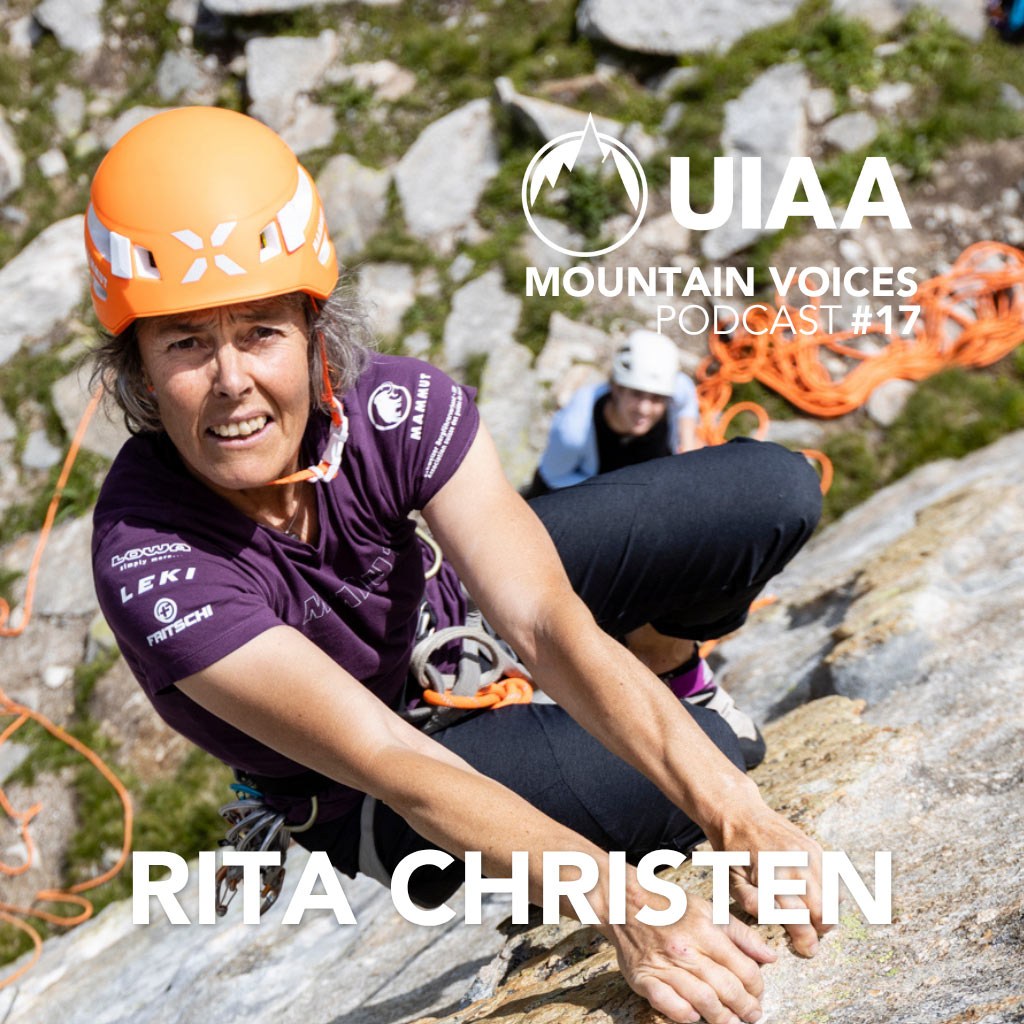
Can I still climb if my strength is declining?

Our strength naturally weakens as we age – along with our stamina, balance and reflexes. The risk of bone fracture increases too, especially after joint replacement. It is important to recognise the changes to our bodies and to our climbing ability. However, in most cases we can modify our climbing, rather than giving up too soon. After all, climbing is a great way to maintain strength, balance, fitness and fun.

It is useful to distinguish between pure technical climbing (rock, indoor, bouldering) and mountaineering (mountain ascent, technical hiking, scrambling, summit climbs) because they make some different demands on the body. The first requires intensive use of the whole body with particular emphasis on the upper half. The second is endurance-based, involving fewer demands on the upper body but more distance, elevation gain and time on your feet.

For pure technical climbing we need to think about and adapt for our changing grip strength, mobility and stabilisation. For mountain ascent we need to consider changes to how we manage fatigue and move safely over uneven and technical terrain.

Ways to keep climbing:

• Train strength and balance – Losing muscle mass affects strength, balance and therefore climbing safety and confidence. This process can be slowed or even reversed with weight-bearing (“resistance”) training and appropriate nutrition. Exercising at home, with a physiotherapist, or in a fitness centre can help to preserve your muscles. A training plan that focuses on simple strength exercises and joint stabilisation is a good start (see Training Exercises).

• Downgrade technical difficulty – Choose easier grades, shorter climbs, less steep routes and fewer technical difficulties. For rock climbing, consider climbs with larger belay stances to rest as needed. If your hand strength is diminishing or affected by osteoarthritis, use climbing routes with larger holds. As you reduce the technical aspects, remember to increase the joy of being out climbing. It can be fun to go back to some of the classic easier climbs of your youth.

• Conserve energy – Think about the energy you will use to get to the start of your climb and back. Consider using climbing areas closer to transport. Ask a younger member of your party to carry your ropes and climbing equipment. Use hiking poles to support your joints and assist with balance. If you are tiring on traditional climbing routes that require a heavy load (e.g. backpack, carabiners, protection devices) try bolted routes instead. Consider seconding the climb, rather than leading, so that someone else can carry most of the weight. Outdoor top roping is a very good adaptation too, as it is a safer way to climb and reduces the risk of serious falls.

• Manage aches and pain – If you have pain, consider taking a mild pain medication such as paracetamol before climbing. Warm up before you start, warm down afterwards and take a warm bath before bed if possible. If you find it too tiring to climb on consecutive days, take rest days. Being well rested is part of your safety.

• Change location – Temperature extremes can be harder to bear as we age. Consider travelling to more moderate locations to climb outdoors – or climb indoors. Climbing gyms often have routes for younger children which could be fun, but you could also ask your gym to set routes for older climbers, designed for adult heights and stretch but with larger holds. And if you are away on a climbing trip and do not want to climb every day, enjoy the cafes, nature and culture. Retirement from full-time work is to be enjoyed at your own pace!

Can physical training exercises help with mountain safety?

Yes, targeted physical exercises can help you maintain and improve your safety, skills and confidence. Exercises must be adapted to your capacity, health and goals. We recommend consulting an exercise professional before starting.

Why?

Moving safely and efficiently through mountain challenges such as uneven terrain, steep gradients, poor weather and slippery surfaces requires good cardiovascular fitness, balance, mobility and strength. These help maintain posture and movement control, optimise energy efficiency and minimise the risk of tripping and falling.

As we age these abilities decline due to a combination of changes in muscle strength, joint flexibility, reaction time, vision, and the sensory systems that help us perceive position and movement. These effects may be worsened by fatigue, medical conditions and certain medications. The good news is that physical abilities can be trained at any age, and well-targeted exercises can significantly increase your fitness and mobility.

Training should include exercises for:

• Balance – To help prevent falls. Start with simple one leg stands and progress to single-leg calf raises. Place your hand on a sturdy chair or wall for safety if you are new to these exercises, then try letting go as you improve.

• Strength – To prevent muscle loss, preserve strength and protect your joints. Begin simply, with a twice-a-week circuit incorporating bodyweight exercises adapted to your abilities. Include one lower-body exercise (e.g. wall-sits, squats, sit-to-stand or lunges), one upper body pull (e.g. rowing or using exercise bands tied to a firm object), one upper body push (e.g. push-ups or chest press) and one core exercise (e.g. planks or dead bugs). As you progress, add weight and use more challenging exercise variations.

• Cardiovascular – To help reduce breathlessness on steep inclines and decrease fatigue. Daily 30–45 minute walks at a brisk pace are an effective start. A stair-climbing machine is a good alternative. As you progress, add natural inclines and/or a weighted backpack, and increase intensity and duration. Start slowly.

• Nutrition – For best results combine training with good nutrition. A protein intake of 1.2–1.5 grams per kilogram of body weight per day is a typical recommendation, but should ideally be adjusted for your own nutritional needs, activity level and health. If you have kidney disease, seek individual advice before increasing protein intake.

Exercising on uneven natural surfaces trains your brain and body in ways that are difficult to replicate on smooth, predictable surfaces such as treadmills or gym floors. Resistance (weight-bearing) exercises are a recommended additional aid to continuing with your mountain sports.

Browse by Topic

Bones & Joints

Back surgeryIs it safe to return to mountain sports after lower back surgery? This depends on your individual case. You will likely need to wait until you finish healing and rehabilitation. Read more

This depends on your individual case. You will likely need to wait until you finish healing and rehabilitation. Depending on the surgical procedure and your recovery, you may need to select gentler mountain sports and routes.

Key points:

  • Type of surgery: Minimally invasive procedures tend to heal faster and have fewer post-surgical considerations. More invasive surgeries involving implants (such as screws or rods) or multiple vertebrae require longer healing and rehabilitation; ongoing impairment of the back’s range of motion is more likely.
  • Wound healing: Open wounds are a major infection risk. We recommend that you wait until your surgical wounds are fully healed prior to mountain travel, particularly when visiting remote areas where medical care is difficult to access.
  • Blood clots: Both altitude and the post-surgical recovery period are major risk factors for serious blood-clotting problems such as venous or pulmonary embolism. The risk settles as time passes.
  • Difficulty sitting: Sitting for long periods, especially in vehicles on bumpy roads, may stress your spine and cause discomfort. Ensure that you can manage this risk. Plan regular stops to stretch and avoid spinal impact whenever possible. Use a cushion or sleeping pad for better sitting comfort.
  • Backpack: Wear a light backpack: less than 10% of your body weight. Heavier loads cause biomechanical stress even in young healthy adults without implants. Select a backpack that fits well and always use the waist and chest straps to reduce spinal strain. Use hiking poles to better distribute the weight. Note that for some people a light backpack can actually improve walking posture.
  • Training: Go slow! Start with short walks and light loads. Complement these with strengthening exercises for the core, flexibility exercises for spine and pelvis and cardiovascular exercise to build fitness and help prevent fatigue. Ask your rehabilitation team for a program tailored to your aspirations. Seek their support in monitoring your symptoms and progress until you are safe and ready.
  • Doctor’s clearance: Obtain the consent of your surgical team before returning to the mountains, ensuring that they understand your intended activities. You may also consult a mountain medicine specialist who may better understand what your mountain sports involve. Ideally, your rehabilitation program should be created with the agreement and context of both doctors. Follow their advice, allow for complete healing and finish your entire rehabilitation so that you are not impaired by pain or neurological deficits that are still recovering.

Important: If you experience any neurological warning signs such as weakness, numbness or increasing pain, return to your doctor for re-evaluation.

Joint replacementHow can I return to mountain sport after a joint replacement? Your return will depend on the surgical procedure, your recovery and the choice of mountain sport. It is very important that you talk to your surgeon before surgery about what you hope to do afterward. Read more

Your return will depend on the surgical procedure, your recovery and the choice of mountain sport. It is very important that you talk to your surgeon before surgery about what you hope to do afterward. Discuss your activities, current level, hopes and any concerns to ensure all options are explored and that realistic expectations are set.

For the most common joint replacements: 

  • Knee/Hip: a return to mountain sports including climbing is often possible, with potentially more caution required around higher-impact demands. Knee/hip patients who are active, well-rehabilitated and accustomed to a specific sport can normally return to their sport because they have the required muscle to help support the new joint. Some may be advised to re-enter their sport at a lower level, or not to return to high demand activities such as climbing.
  • Shoulder: sometimes a return to your preferred mountain sport will not be possible, depending on the type of shoulder replacement and which positions and pulling demands your sport requires. Return or not is individual and we lack scientific data to say precisely.

Prehabilitation (preparation for surgery)

Get your body as strong as possible before your surgery, and as ready as possible for the rehabilitation that will help you return to your sport. Focus on strength, movement control, balance and endurance that match your sport’s demands. Be as consistent with this prehabilitation as you can, right up to the time of surgery. Use an exercise professional to help you do this well. Ask about nutrition that supports recovery, particularly protein, as effective rehabilitation will require adequate energy and nutrient supply to reestablish muscular strength.

Rehabilitation

You are more likely to return well to your mountain sport when your rehabilitation and return-to-sport plan are high quality. The main rehabilitation challenges are regaining the full range of movement, rebuilding strength, and restoring coordination. Work within the surgeon’s recommendations and in collaboration with a well-qualified exercise professional who understands the activities to which you hope to return. Your rehabilitation plan should include progressive loading to help you gradually build back strength and control. As you progress, it should include movement patterns and loads that resemble your sport’s demands. Follow the plan consistently and keep nutrition including protein intake strong.

When do I know it is safe to return to the mountains?

You should not be impaired by pain, poor range of motion, poor muscle function or instability. You should have regained your strength and control to support movement under the stress of the sport. Strong, activity-specific muscles are your best injury prevention strategy following joint replacement.

And remember, if you cannot regain your former sport, strength or stability, the mountains offer multiple options for enjoying time and movement through them.

OsteoarthritisIs continuing mountain sports likely to worsen my osteoarthritis? Generally speaking, no. Once osteoarthritis affects a joint, light and regular physical activity is not only permitted, but strongly recommended. It is the best way to nourish your joints, relieve pain and maintain mobility. Read more

Generally speaking, no. Once osteoarthritis affects a joint, light and regular physical activity is not only permitted, but strongly recommended. It is the best way to nourish your joints, relieve pain and maintain mobility.

Physical activities that trigger pain or swelling should be avoided. So too should stop-and-go sports (those with sudden stops, pivots or direction changes such as tennis) including stop-and-go mountain sports over uneven terrain such as trail running and mountain biking.

The best treatment for osteoarthritis is to keep moving.

What is osteoarthritis?

Osteoarthritis is a degenerative joint condition marked by the breakdown of cartilage. The bone directly beneath the cartilage changes and there is often mild inflammation in the joint’s synovial membrane so that the joint no longer operates as smoothly. The muscles and tendons around the joint weaken, and sometimes the nerves within the joint undergo changes. This leads to symptoms such as pain, reduced mobility, morning stiffness or stiffness after rest. Why osteoarthritis occurs is complex, with risk factors including anatomical misalignment, repetitive mechanical strain, joint injury and less commonly, inflammatory joint disease. The risk of developing the condition increases with age and as body weight rises.

Keep moving!

Research shows that regular and appropriate physical activity helps preserve function and reduce the risk of disability development. Science-based treatment for knee and hip osteoarthritis such as the GLA:D program can help enhance your quality of life by relieving pain, improving mobility and delaying the need for surgery. Keeping the muscles around the sore joint flexible and strong helps to reduce pain and symptoms of instability within the joint. If the painful joint does need to be surgically replaced, recovery will be faster and easier if you keep the muscles around the joint active right up to the time of surgery (“prehabilitation”).

We encourage you to stay active, and if you love the mountains, they are a great arena in which to keep moving. Here are a few ideas to modify your mountain activities if needed:

  • Use hiking poles. They help with balance and take pressure off your joints
  • Lighten the load you carry on your back. This helps reduce stress on your joints.
  • Modify the terrain you choose. Shorter routes, gentler slopes, better paths can reduce stress on your body and allow you to stay active longer.
  • Consider equipment changes to bring more comfort. For example, if you have painful feet, knees or hips, change to more comfortable and stable footwear.
  • If pain is making it hard to keep moving, consider taking an over-the-counter analgesic prior to exercise. Keep some in your backpack too.


OsteoporosisCan I practice mountain sports with osteoporosis? Osteoporosis is characterised by weakened bones that are more susceptible to fractures. Therefore we recommend that people with osteoporosis avoid mountain sports which involve higher speeds and risks of crashing, such as skiing, downhill running and mountain biking. Read more

Osteoporosis is characterised by weakened bones that are more susceptible to fractures. Therefore we recommend that people with osteoporosis avoid mountain sports which involve higher speeds and risks of crashing, such as skiing, downhill running and mountain biking. The force from falls or sudden movements in these sports can result in fractures, particularly in the spine, hips and wrists. If your lower spine is at risk climbing might also be unsafe. Although a harness can arrest a fall, the forces transmitted through the harness can cause injury to weakened bones.

However, the mountains offer us many different movement possibilities, and hiking with osteoporosis is possible and even beneficial. Hiking is a weight bearing activity with some, but not too much, impact. This promotes higher bone density in the whole skeleton, and contributes to muscle strength, balance and fitness which help reduce the impact of osteoporosis consequences.

Before you hike:

  • Osteoporosis severity: Discuss with your doctor whether hiking is a good idea. If you have had vertebral, hip or other complicated fractures due to osteoporosis you are at higher risk of future fractures.
  • Fitness: To reduce the risk of falling and fractures you need good muscles, balance and fitness. Keep training strength, resistance, flexibility, balance, coordination and fitness on a regular basis.
  • Nutrition: Take your prescribed osteoporosis medications and any doctor-recommended supplements as directed. Remember that adequate protein in your meals is crucial for muscle and bone repair.

Ready to hike:

  • Route planning: Chose routes with lower gradients and fewer potential hazards. Steeper paths cause you to lean forward, which can increase the risk of damage to your back. Avoid wet and snowy days and slippery terrain, including sloped gravel paths.
  • Gear: Use hiking poles to improve stability and reduce the load on your spine and legs. Wear comfortable, non-slippery footwear to which you are already accustomed. Keep your backpack light. It should weigh less than 10% of your body weight and be symmetrically packed. Always use the waist and chest straps of your backpack to unload your spine.
  • Rest: Take frequent rests. Remove your backpack, stretch your spine, hydrate and eat something to help reduce fatigue and keep you feeling strong and stable on the trail.

Heart & Lungs

Blood pressureCan I continue mountaineering with high blood pressure? If your blood pressure is well controlled with medication, there is usually no medical reason to avoid mountaineering or high altitude. However, if your blood pressure is not well controlled, consult your doctor before mountaineering as your treatment may need to be adjusted first. Read more

If your blood pressure is well controlled with medication, there is usually no medical reason to avoid mountaineering or high altitude. However, if your blood pressure is not well controlled, consult your doctor before mountaineering as your treatment may need to be adjusted first.

Staying physically active is an important part of managing high blood pressure (hypertension). Regular exercise helps maintain a healthy heart and blood vessels, improves circulation and can lower blood pressure over time. Mountaineering, performed at an appropriate pace and intensity, can contribute positively to your long-term cardiovascular health.

It is important to note that high altitude can cause a temporary change in blood pressure, particularly during the first days of exposure. These increases or decreases are usually too minor to cause symptoms or problems, and most people do not need to monitor their blood pressure when traveling to high altitude.

Tips:

  • Ensure you continue taking your medication during your mountain trip. Consider bringing spare supplies.
  • Drugs such as beta blockers and diuretics can affect how your body adapts to altitude and the cold. Discuss this with your doctor.
  • Most people should not change from medicines that are already keeping their blood pressure well-controlled for new ones just because they are traveling to high altitude.
  • If your doctor prescribes medications to prevent altitude illness, ask if they will interact with any of your current medications.
  • If you have a new hypertension diagnosis or uncontrolled hypertension, work with your doctor to get your blood pressure under control before any challenging mountain travel.
  • Warning signs such as sudden weakness or numbness on one side of your body, chest pain or difficulty breathing can signal a serious medical condition, including extremely high blood pressure. Seek medical care immediately.
Chronic Obstructive Pulmonary Disease (COPD)Am I safe to climb with COPD? Chronic Obstructive Pulmonary Disease (COPD) is a long-term lung condition where the airways become narrowed and damaged making it harder to breathe. Many people with stable mild or moderate COPD can continue hiking, climbing or mountaineering at a modified level. Read more

Chronic Obstructive Pulmonary Disease (COPD) is a long-term lung condition where the airways become narrowed and damaged making it harder to breathe. Many people with stable mild or moderate COPD can continue hiking, climbing or mountaineering at a modified level. However, a trip to altitude or remote areas requires good medical advice. Your planning should be guided by your overall health, fitness, lung function, oxygen levels, medications and the demands of the trip.

Why exercise? Staying physically active is important in COPD. Regular exercise strengthens the respiratory muscles so that each breath requires less effort. Physical activity also increases strength and endurance, helps maintain muscle mass and reduces cardiovascular risk.

If you smoke, stop. This is the single most effective thing you can do for COPD.

High altitude? Altitude (above about 2000 m) can worsen COPD symptoms and increase the risk of serious problems. COPD reduces your ability to increase your breathing during exertion and breathing becomes more difficult with increasing altitude because there is less oxygen available per breath. This can cause a substantial drop in blood oxygen, particularly during exercise and sleep, and put extra strain on the heart. Cold air, heavy exertion and respiratory infections can further increase breathlessness. Being physically fit does not remove these risks but can increase your ability to cope with them. You must acclimatise carefully (see High Altitude).

If you have severe COPD seek medical advice before travelling to altitude. If you have recently had a pneumothorax (collapsed lung), do not fly or travel to altitude until your doctor has confirmed that it is resolved and you are safe to travel.

Planning a climb

  • Adjust your goals as required by choosing lower altitudes, reducing intensity, shortening the duration of climbs or hikes and selecting routes where turning back or getting help is feasible.
  • Build strength and endurance well in advance (see Training Exercises). Train for the load, terrain and pace you expect on your trip. Ask a pulmonary rehabilitation or exercise professional for guidance.
  • Discuss your plans with your COPD clinician before travelling to high altitude or remote areas. Together decide what altitude and level of exertion are reasonable, which extra precautions are needed and when you should turn back or descend. Mention if your trip involves air travel, as blood oxygen levels can fall and breathlessness may worsen during flight.
  • If your COPD has recently flared, wait at least 4-6 weeks before strenuous activity or altitude exposure. If in doubt, seek advice from your COPD clinician.
  • If you depend on supplemental oxygen, check carefully how the device performs in the cold and at altitude. Ensure your climbing plans fit within the limits of the battery life.
  • Blood oxygen levels usually fall at altitude, and cold hands can make pulse oximeter readings less reliable. If a reading is unexpected, warm your hands, rest and repeat the measurement, keeping your finger still until the reading stabilises. Consider the result alongside your symptoms and follow your agreed action plan if readings remain below your advised range or you feel unwell. If readings seem unreliable, your symptoms should take precedence.

During climbing

  • Continue regular medication and bring rescue medication with you.
  • Focus on movement efficiency, moving at your own pace to keep your breathing under control and to avoid exhaustion. Break the climb into shorter sections with rest pauses.
  • Use breathing strategies such as diaphragmatic and pursed-lip breathing. Inhale gently through your nose then out slowly through pursed lips, as if blowing out a candle. A longer exhale helps to empty your lungs and keep airways open.
  • Rest if you are short of breath. Lean slightly forward with your arms supported (e.g. by hiking poles, or hands on your knees) to help your breathing muscles work more effectively.
  • Don’t climb alone and have an emergency plan in place. Your climbing partner should know about your condition and medication, what is normal for you and when to call for help.
  • If you feel unwell, stop. Do not go higher. Descend and seek medical help if needed. Warning signs include breathlessness at rest which is worse than usual, chest pain or tightness, confusion or extreme drowsiness, blue lips / tongue / fingernails, inability to speak full sentences if this is not normal for you and oxygen readings which remain below your agreed warning level even after warming your hands, resting and retesting.

Consult your COPD clinician as needed, including:

  • Returning to climbing with a new COPD diagnosis: ask about lung function, safe oxygen saturation levels and whether supplemental oxygen is needed. You may be prescribed a pulmonary rehabilitation program to build stamina and learn breathing strategies before attempting climbing.
  • If your COPD symptoms are changing or unstable or flare-ups are frequent.
  • Planning to go to high altitude. Supplemental oxygen and medication adjustments may be necessary.
Heart attackCan I go back to the mountains after my heart attack? A return to mountain sport after a heart attack is possible for many people, but it must be undertaken carefully, deliberately and with medical guidance. You must discuss your return to physical activities with your cardiologist, and we strongly recommend you complete a supervised cardiac rehabilitation program prior to returning to the mountains. Read more

A return to mountain sport after a heart attack is possible for many people, but it must be undertaken carefully, deliberately and with medical guidance. You must discuss your return to physical activities with your cardiologist, and we strongly recommend you complete a supervised cardiac rehabilitation program prior to returning to the mountains. Cardiac rehabilitation can improve your fitness and exercise tolerance, reduce your risk, increase your awareness of warning signs and help assess your risk of future cardiac complications.

What is a heart attack?

Also known as a myocardial infarction, a heart attack occurs when blood flow to a part of the heart is blocked or severely reduced, depriving the heart muscle of oxygen. It is a medical emergency: the longer the blockage persists, the more permanent damage occurs. Rapid treatment can be lifesaving and significantly reduce heart damage. Treatment depends on the severity of the blockage and the number of coronary arteries affected and may include medications and stents (small mesh tubes that hold the artery open).

How to return to the mountains

The most important advice is to rebuild your physical capacity and confidence gradually, and to listen to your doctors and your body. If you experience any of these symptoms during your return to sport, you are doing too much and need to stop:

  • Difficulty breathing
  • Chest pain
  • Fatigue
  • Dizziness or feeling lightheaded

If you want to return to a demanding mountain activity such as ski touring, rebuild gradually through increasingly challenging activities. For instance, start by walking, stationary cycling and strength exercises; progress to hiking to test yourself in nature and with some altitude; then return to skiing on prepared slopes. As your fitness improves, add a light pack, extend efforts to three to four hours at a controlled pace then eventually try more demanding activities such as scrambling or carrying a heavier pack. Introduce cold-exposure training gradually and only when appropriate.

This process should take months, not weeks. A heart rate monitor can help guide exertion, but a reasonable aim is to exercise at a pace where you feel warm and slightly breathless but can still easily hold a conversation.

Should I return?

For those who no longer feel comfortable returning to high intensity mountain sports, that’s ok. The mountains offer us many gentler ways to enjoy them. Exercise can reduce the risk of developing heart disease, although it does not necessarily prevent it, and exercising in the mountains provides both physical activity and access to the joy and peace of nature.

For those who do decide to return to high intensity mountain sports, a thorough pre-return evaluation is essential. We strongly recommend this be performed by a clinician with both cardiac and mountain expertise. It may include exercise testing and an assessment of your cardiovascular risk factors, and should confirm that your condition is stable, medical treatment is optimised and that planned activity intensity is appropriate.

Notes

  • Mountain conditions: Mountain conditions can place extra strain on the heart. Sudden or unfamiliar exertion (especially at the start of an outing), cold, dehydration, altitude and overexertion may increase the risk of a cardiac event. Cold can temporarily narrow blood vessels, reducing oxygen flow to the heart and potentially triggering chest pain or, in people with heart disease, another heart attack. Avoid sudden strenuous effort and eat and drink sufficiently during prolonged activity.
  • Emergency planning: Prepare an emergency plan before each trip, including access to medical care and rescue services and what to do if symptoms worsen. Do not go alone. Ensure companions know your cardiac history, medications, warning signs and plan, and will respect your pace.
  • Medications and medical devices: Take medications exactly as prescribed and carry enough for the entire trip, plus a contingency supply. Protect medical devices from cold and confirm they are suitable for the expected temperature and altitude. Where appropriate, carry an alternative way to monitor your condition or administer medication.

Mind & Movement

AnxietySince retirement, I’m feeling increasingly anxious. Is it time to stop climbing? Retirement can involve a loss of structure and routine, a significant shift in personal identity, and changes in social interaction that can lead to loneliness Read more

Retirement can involve a loss of structure and routine, a significant shift in personal identity, and changes in social interaction that can lead to loneliness. While it is not uncommon for such a major life transition to be accompanied by anxiety, giving up climbing may not be the answer.

After all, continuing to participate in meaningful hobbies helps fill the gap that retirement has opened, offering structure, social interaction and purpose. If climbing has been important to you (and for many, it is more than a sport, it is part of their identity), keep going. Additionally, regular physical activity is one of the most effective ways to manage anxiety, especially outdoors in natural beauty.

Anxiety may be a signal that something needs to change, but change does not have to mean giving up things you enjoy. For many people, continuing mountain activities, thoughtfully adapted, boosts both mental and physical health. The aim is not to push limits, but to stay active and safe while continuing to enjoy the mountains and the social connection.

Practical advice

  • Adapt rather than stop – Choose familiar climbing routes, shorter days and lower-risk objectives. Focus on enjoyment rather than performance. Go at your own pace.
  • Use the mountains to support mental health – Regular alpine movement such as walking, hiking or climbing can help reduce anxiety and improve sleep and mood. When the predictable structure of a career ends, a dedicated routine in your hobbies and the mountains can provide a new structure to help your mental health thrive in retirement.
  • Build social connections – Consider climbing or hiking with others rather than alone. Join a hiking group, alpine club activity or mixed-ability outing. This can provide friendship, reduce isolation and make activities safer and more enjoyable.
  • Seek support if anxiety is severe or persists – If anxiety is ongoing, worsening or leads to avoiding activities you normally enjoy, talk to your family doctor or a mental health professional. Effective treatments are available and will not normally require you to stop climbing.
DementiaMy partner has early-stage dementia. Can we keep hiking? Hiking can be a valuable and enjoyable activity in early-stage dementia, provided it is adapted thoughtfully and safely. Not only is hiking easily adaptable to individual needs, but it takes place in the natural environment. Read more

Hiking can be a valuable and enjoyable activity in early-stage dementia, provided it is adapted thoughtfully and safely. Not only is hiking easily adaptable to individual needs, but it takes place in the natural environment. Time in nature can provide peace and beauty which can be calming – reducing stress, improving mood and benefiting both the person with dementia and their partner. Regular physical exercise is known to support overall wellbeing, mood, strength, mobility, balance and cognitive functions such as memory.

Continuing your habit of hiking together, with appropriate awareness and adjustment, can help provide a sense of normalcy and contribute to stability and joy. Adaptations will be individual, but some considerations include:

  • Disorientation / confusion: Impaired judgement, disorientation and a tendency to overestimate abilities can make solo hiking risky. Transition to hiking together or with a small group, which normalises having others around without singling your partner out.
  • Fatigue: The extra cognitive load of dementia can leave the person feeling mentally tired and overwhelmed. A hike that is steady and soothing can help, perhaps especially on familiar tracks. If the fatigue is physical (low stamina), which can have many different causes, choose easier or shorter routes. Take frequent breaks, before exhaustion sets in. Eat and hydrate consciously before, during and after physical activity.
  • Behavioural challenges: Sudden mood swings or protests (“Don’t tell me what to do”, “I can do this alone”) can be very challenging. Establishing new routines early and leaning on supportive hiking group dynamics may help, as individuals with dementia may be more cooperative and socially engaged within a group setting than when receiving direction solely from close family members.
  • Terrain risk reduction: As spatial orientation declines, deliberately choose trails with wider paths, lesser slopes, zero cliff exposure and smoother trail surfaces to mitigate the increased risk of trips and falls.

A note for the caregiver: When your partner receives a diagnosis of dementia, this tends to be part of a long, demanding journey for you too. Finding hiking that works for both of you is not only about your partner’s health, but a beautiful way to find respite and benefit you both. Joining a hiking group can bring new social connections to you and your partner, building a crucial support network that brings joy today and continuity for your wellbeing in the future.

Please discuss your hiking plans and adaptations with the dementia care team when you have the opportunity.

Gait changesMy children say my walk looks too “old” for hiking—are they right? It is common for children to worry and protect us as we age, just as we did for them when they were young Read more

It is common for children to worry and protect us as we age, just as we did for them when they were young. However, even if we are slowing down or wobbling a little, it is important to keep living our lives, more carefully perhaps, but not to pull back from what brings us joy only due to others’ fears. A slower gait does not necessarily mean an unsafe gait, and staying active is critical for all aspects of our health. But how we do this safely will change.

Adapting activities rather than withdrawing is often possible and even advisable. If hiking brings you joy, it is an easily adapted sport. If your children do express concern, it is wise to consult a doctor or exercise professional who can assess your changing capacities and advise you accordingly. Follow the guidance given and get the help you need to build up strength, stability and awareness. 

Then, consider changing how you hike. Instead of going alone, hike with a friend or a group. Use hiking poles to assist with balance, especially on uneven terrain. Reduce distance, slope and/or altitude on days you feel you need to go slower. Take more frequent rests and ensure you hydrate and eat well during the hike. Carry weather-appropriate clothing layers including a hat, because with increasing age we tend to be more sensitive to temperature changes. Finally, in case you need to call for help, carry your mobile phone and remain in an area where it works, or take a Personal Locator Beacon which can be cost effective in keeping your children happy and yourself safe.

Falls are increasingly likely and consequential as we age but maintaining muscle strength and balance are two of our best strategies for prevention. Modified hiking can address both.

Other

Big Adventures & High AltitudeIs it safe to climb Kilimanjaro for my 77th birthday? Climbing Mount Kilimanjaro is possible for a fit and healthy 77-year-old, who prepares smartly, climbs cautiously, has been cleared medically and copes well with the travel, altitude and effort involved. Read more

Climbing Mount Kilimanjaro is possible for a fit and healthy 77-year-old, who prepares smartly, climbs cautiously, has been cleared medically and copes well with the travel, altitude and effort involved. The goal at age 77 should be safe, steady enjoyment of the trek, with a summit seen as a bonus. Mount Kilimanjaro can be considered as one of the more dangerous mountains in the world because it is very accessible, which tempts climbers to underprepare. It has an estimated 30 deaths a year and an estimated 50 to 75% of visitors turn back before the summit.

Pre-travel assessment: Medical clearance is essential. Medical conditions should be stable, especially chronic cardiac, pulmonary and metabolic disease. Your usual treatments should be maintained throughout your trip. Consultation with a travel health provider, preferably one experienced in altitude medicine, is strongly recommended to assess fitness for the trek and to help you develop plans in case the trip exacerbates any chronic illness you have. Discuss recommendations for pre-travel vaccinations and what your personal medical kit should contain, including whether a prescription for prophylactic medication for altitude illness is warranted. Ensure you discuss potential drug interactions and effects, given your age, your intended altitude and any existing drugs you take for other conditions.

Altitude: Because Mount Kilimanjaro is 5895 metres (19341 ft) high, climbers face a high risk of experiencing at least some symptoms of Acute Mountain Sickness (AMS). Fatal altitude illnesses do occur. Individual susceptibility cannot be reliably predicted. Ascending too quickly without adequate acclimatisation is the highest risk factor. Age itself does not appear to be a risk factor, but various diseases more common in older people can be. A history of altitude illness is also a risk factor. Even if you have previously climbed higher without altitude illness, it can still occur, even at lower altitudes than your previous climbs. Early recognition of symptoms is vital. Do not ascend with symptoms of altitude illness. If symptoms worsen, descend immediately.

Acclimatisation: Gradual ascent is the basis of altitude illness prevention. Above 3000 metres we recommend an ascent rate of maximum 300 – 500 metres increase in sleeping altitude per day, with a rest day every 3 – 4 days (see video). Pre-acclimatising can help and this is typically achieved by spending several days at intermediate altitude (e.g. 2000–3000 m) or hiking nearby peaks. Walk slowly, drink 3-4 litres/day, eat even if not hungry and never ignore worsening symptoms

Other recommendations:

  • Hire an experienced guide who understands your needs. A low client-to-guide ratio is very important, and a private climb may offer better flexibility. Before you commit, discuss the route together to ensure it provides for your needs, including a sensible acclimatisation schedule.
  • Prepare and carry gear for all likely weather including a way to keep important items dry in heavy rain. Choose excellently comfortable boots, preferably lightweight with excellent ankle support. Use hiking poles. Drinkable water will not always be available. Carry methods for purifying your water and always use purified water for drinking, cooking and brushing your teeth. Maintain excellent hand hygiene by frequent hand washing, especially if using the public toilets en route. Take hand sanitizer for when no clean washing water is available.

  • Obtain a good quality travel and medical evacuation insurance, ensuring coverage for mountain rescue and associated care.

Learn more:

Altitude illness and acclimatisation video here

Our full advice article on climbing Kilimanjaro here

Travel at High Altitude booklet here

Water purification video here

CancerI am living with cancer - can I still climb? Remaining as physically and mentally fit as possible is helpful for all people living with cancer. Read more

Remaining as physically and mentally fit as possible is helpful for all people living with cancer. Better physical fitness is associated with fewer symptoms of the disease, fewer side effects from treatment, faster recovery, better daily functioning, a higher quality of life and a higher chance of survival. And for experienced mountaineers, being in the mountains they love can be psychologically beneficial even if in the terminal phase of illness. However, there is no simple answer to this complex question.

Regular exercise and physical training can improve physical fitness, although maintaining physical fitness is not a certainty with cancer. There are many variables to consider, the main one being the individual. Medical factors affecting the ability to climb will include: the type, site and stage of the cancer; the treatment planned or completed; the long- and short-term prognoses; and the effects of the cancer and treatment on the patient. The doctor’s advice will also be influenced by where the person is in the journey from diagnosis through treatment.

After the hard work of rehabilitation, many mountaineers do return to the mountains. They may take up a mountain challenge to celebrate their return to “normality” or tackle a modified objective to be back in the mountains gently, while still rebuilding strength. Exhaustion caused by both the illness and treatments can lead to frustration at having to accept new limitations, but sharing memories of good days in the mountains with old friends may bring some peace.

We cannot stress strongly enough the need for each patient to get individual advice from their medical team. an oncologist, a surgeon, a family doctor / general practitioner, an experienced mountain medical expert and specialists for any medical devices involved, such as stoma care.

Notes:

  • There are usually no restrictions on low-intensity aerobic training such as walking or cycling, low-intensity strength training with gradual progression or flexibility exercises.
  • It is important to evaluate if independent exercise will be safe or if referral for further medical support is warranted. Complicating factors include: bone metastases, cardiotoxicity (heart damage), peripheral neuropathy (numb feet and hands) or balance issues, severe fatigue, history of lung or major abdominal surgery, presence of a stoma, issues in organs specific to exercise (heart, lungs, musculoskeletal system), severe malnutrition, problems with coordination (ataxia), reduction in independent mobility, fall risk, joint complaints.
  • Specialist assessment and exercise testing may be required for (1) excessive fatigue or weakness without clear explanation, (2) exercise limitations with shortness of breath or chest pain, (3) heart or lung complications due to cancer e.g. pulmonary embolism, lung metastasis, or (4) bone or muscle disease that is still unstable.
  • Many people find support groups such as Climbers Against Cancer of great benefit.
Diabetes Type 2Can I continue mountaineering with Type 2 Diabetes? With good self-management, preparedness, education and caution you should be able to continue mountaineering with type 2 diabetes. Read more

With good self-management, preparedness, education and caution you should be able to continue mountaineering with type 2 diabetes.

Type 2 diabetes is a chronic condition characterised by high blood sugar (glucose) levels. It occurs when the body’s glucose regulation system stops working efficiently. Glucose is a critical fuel for the body and when unregulated can seriously damage vital organs. The standard treatment for type 2 diabetes usually includes diet changes and weight loss, and antidiabetic medications when needed.

Regular exercise is one of the most effective tools for managing type 2 diabetes. It helps with weight management, inflammation reduction and improving heart health, all of which contribute to better blood sugar control. Exercise can lower blood glucose levels and help improve insulin sensitivity, meaning that it can help your body to use insulin (the main glucose regulating hormone) more effectively. However, increased insulin sensitivity also means that your blood sugar can drop too low, with symptoms such as dizziness, sweating and confusion. So while exercise offers excellent benefits, it requires careful planning and good self-care.

The key to diabetes self-care is to know yourself and your condition. The key to safe mountaineering with diabetes is to know how your condition behaves with the demands of mountaineering, including in extreme temperatures, exertion and at high altitude.

To keep mountaineering with type 2 diabetes you need to develop skill in measuring and looking after your blood glucose levels and health, while simultaneously dealing with the demands of the sport and altitude. The more you develop these skills, the safer you will be. This takes time and a gradual building of experience. Once you learn to control your glucose levels and feel prepared to resume mountaineering, start back slowly. Begin with familiar areas near home and in places where medical help is close by. Use these trips to learn how your body responds in changing conditions, altitudes and demands, before going into remote or unforgiving environments.

Preparations for mountaineering:

For local mountains with established rescue infrastructure:

  • Pack:
    • Medication: Bring your prescribed medication, with spares
    • Hypo (low blood sugar, hypoglycemia) treatment: Keep spare food and a fast-acting, easily absorbed form of sugar such as glucose tablets, sweets or gel in an accessible part of your pack (not buried at the bottom).
    • Simple blood glucose monitoring system
  • Inform:
    • Tell your climbing partners about your condition.
    • Ensure they know what to do if you need medical help including where you keep your sugar supplies in your pack and how to recognise and manage a hypoglycaemic episode.

For remote expeditions / alpine environments add:

  • Pre-trip medical consultation – Discuss your expedition itinerary with your physician or care team well in advance. This is not to seek formal clearance but to collaboratively assess how prolonged exertion and altitude might affect your medications.
  • Backup monitoring – Bring a secondary glucose meter and extra battery to monitor blood glucose levels.
  • Emergency medical kit – Depending how remote you will be, consider packing soluble insulin (correctly stored, according to your pharmacist’s instructions), syringes and needles. You should never attempt to initiate insulin therapy on yourself for the first time during an expedition without the supervision of a physician.
  • To learn more, read the UIAA’s full paper on Diabetes Types 1 and 2 here (2023)
Urinary issuesHow can I manage urinary problems in the mountains? As we age, we tend to need to urinate / pee more often. Although this can be annoying when you are in the mountains, staying hydrated is very important for physical and cognitive function, so do not be tempted to reduce fluid intake nor to hold urine for extended periods. Read more

As we age, we tend to need to urinate / pee more often. Although this can be annoying when you are in the mountains, staying hydrated is very important for physical and cognitive function, so do not be tempted to reduce fluid intake nor to hold urine for extended periods.

  • Keep yourself healthy by remembering to drink regularly.
  • Expect more frequent urination/peeing. Both the cold and altitude increase the urge to urinate. Choose clothes and harnesses accordingly.
  • Set yourself up well for overnight stays. For tents we suggest pee bottles that are clearly identified and differentiated from drinking bottles (even by touch in the dark) and also transparent so that you can monitor the colour of your urine (with dark urine indicating dehydration or possible infection). Empty the bottle as soon as possible to avoid contents freezing. For alpine huts with toilets remember to pack a head torch to make toilet visits in the dark safe. Every year people get hurt attempting nighttime pees, worsened as we become less stable with age.

Men: The prostate gland, situated at the base of the bladder, enlarges as we age. This can result in needing to pee more often, with a less forceful stream of urine. If you develop prostate symptoms, get checked by your doctor to rule out a cancerous cause; in most cases the enlargement is benign. Older men going into a remote area for a prolonged time should consider including a urinary catheter in their medical kit and know how to use it to relieve a bladder obstruction. Occasionally a man with prostate symptoms can go into acute urinary retention, where he will be unable to pass urine and develop increasing abdominal pain. This is a medical emergency.

Stopping to pee is more straightforward for men. However, it is not uncommon with an enlarged prostate to have some urine leakage (“terminal dribbling”). In cold weather the wetness could lead to a very cold penis, so dry/blot the penis (e.g. using toilet paper) as necessary. In a cold tent we recommend a wide neck bottle for overnight pee, which makes aiming easier, and allows you to put your finger into the top to ensure that it is not about to overflow.

Women: Older women are more prone to urinary infections. Therefore, not holding your urine too long and peeing when you feel the urge are important. Discuss with your doctor whether you should pack an emergency course of antibiotics in case of urinary tract infection, especially if planning to travel far from medical care or if you suffer recurrent urinary tract infections. Ensure you know which symptoms to look for, when to start treatment and when to seek medical help. Topical and vaginal oestrogen is effective at preventing urinary tract infections in post-menopausal women and is safe for most women.

For women, peeing in the mountains can mean having to find a safe place to stop, to lower your trousers and squat. A harness with a back clip allows you to stay roped together with your party and still lower your pants. Use caution in deep snow if removing skis.  You may find a women’s stand-to-pee” aid such as the Shewee useful as it allows you to pee standing up as a man would, without having to lower your trousers and expose too much skin to the cold. It can also help with overnight peeing into a bottle.

Build your muscles - now!

Message from an orthopaedic surgeon: What I wish my older patients had started doing earlier.

Read more

Dear Older Mountaineer,

I hope these FAQs help you continue to enjoy the mountains safely and confidently. As President of the UIAA Medical Commission, I strongly believe in the benefits of the mountains. But I am also an orthopaedic surgeon and leader of a sports medicine clinic in Switzerland, and from that position I want to urge you: do not wait until you notice your strength declining to start training your muscles. Start training now. Too many older people come to my clinic after falls or injuries that might have been less serious, or perhaps avoided, if they had maintained better strength, fitness and muscle.

Why strength matters

Strong muscles help you remain independent. They support your posture and joints, help you climb and tackle uneven ground, improve balance and reduce the risk and consequences of falls. They also help you recover from illness, surgery and periods of inactivity. If you want to keep walking, scrambling or climbing in the mountains, strength is not an optional extra.

Muscles are not just a motor for movement but help us to remain healthy in numerous ways: actively regulating carbohydrate and fat metabolism, supporting immune function and hormonal balance, even helping to regulate inflammation.

The good news is that age-related muscle decline can be slowed and strength can be maintained or improved by regularly challenging your muscles. Some loss of muscle mass and strength is a normal part of ageing, starting around age 30 and often accelerating after 50. Without regular physical activity and strength training, muscle loss may reach 1–2% a year, and losing too much skeletal muscle is dangerous.

What to do

  • Start now. Begin strength training before you notice a significant decline. Starting later is still absolutely worthwhile.
  • Train regularly, but not every day. Aim for targeted muscle-strengthening exercise at least twice a week. An exercise professional can help you choose exercises suited to your goals and health and teach you how to progress by gradually increasing the challenge to your muscles. Muscles take time to recover, so I suggest leaving 48–72 hours between demanding training sessions.
  • Keep moving. Build movement into your everyday life, reducing long periods of inactivity. Brisk walking, cycling, swimming and other aerobic activities support heart and lung health. The World Health Organization recommends at least 150 minutes of moderate intensity activity per week.
  • Eat well. To maintain muscle, aim for adequate high-quality protein (often around 1.2–1.5 grams of protein per kilogram of body weight per day) and enough overall calories, as inadequate calorie intake can contribute to muscle loss. High-quality proteins (such as meat, eggs, soy products) provide all 9 essential amino acids in sufficient proportions. Vegetarians can also create complete proteins by pairing plant foods (e.g. rice and beans). Seek individualised advice before increasing protein if you have kidney disease or another condition affecting your diet.
  • Seek advice. If you have a chronic condition, substantial weakness, recurrent falls, significant pain, or have recently had surgery or been ill, ask a professional how to exercise safely.

If you want to remain active in the mountains and independent in everyday life, make strength training part of your routine. I wish you all the best.

Yours sincerely,
Urs Hefti, MD, Orthopaedic Surgeon
UIAA Medical Commission President

Have feedback or think we are missing a topic? Email office@uiaa.orgLast updated: 26 October 2026.UIAA Medical Commission. Working group: Alison Rosier, Cláudia Gemelgo, David Hillebrandt, Íñigo Soteras & Holly Warder.

Choose print text size, then...

To print, click Next. To download to your computer, click Next, then choose Save as PDF. (On Mac, click the PDF button in the Print popup.)

keyboard_arrow_up