
What is an MQL?
Mountain Qualification Labels were developed by the UIAA in 1993 in response to requests from member federations for internationally recognised standards and good practice guidance for instructor training programmes.
MQL standards currently cover a range of climbing and mountaineering disciplines. For each discipline, the Training Commission defines the minimum prerequisite experience, skills, and knowledge that an instructor training programme must demonstrate in order to qualify for accreditation.
What areas do MQLs cover?
The UIAA Training Commission recognises qualifications across eight distinct mountain activity disciplines.
Mountain Walking and Trekking
This label may include steep terrain, scrambling, and overcoming obstacles such as small rock steps and patches of snow or ice.
Not designed for situations requiring mountaineering techniques such as rock or ice climbing.
Winter Mountain Walking and Snowshoeing
May be limited to low angle terrain or tracks with very limited exposure to avalanche hazards or in avalanche-controlled areas.
If travel in avalanche terrain is included, must be used with the Avalanche label. Not for rock or ice climbing.
Sport Climbing
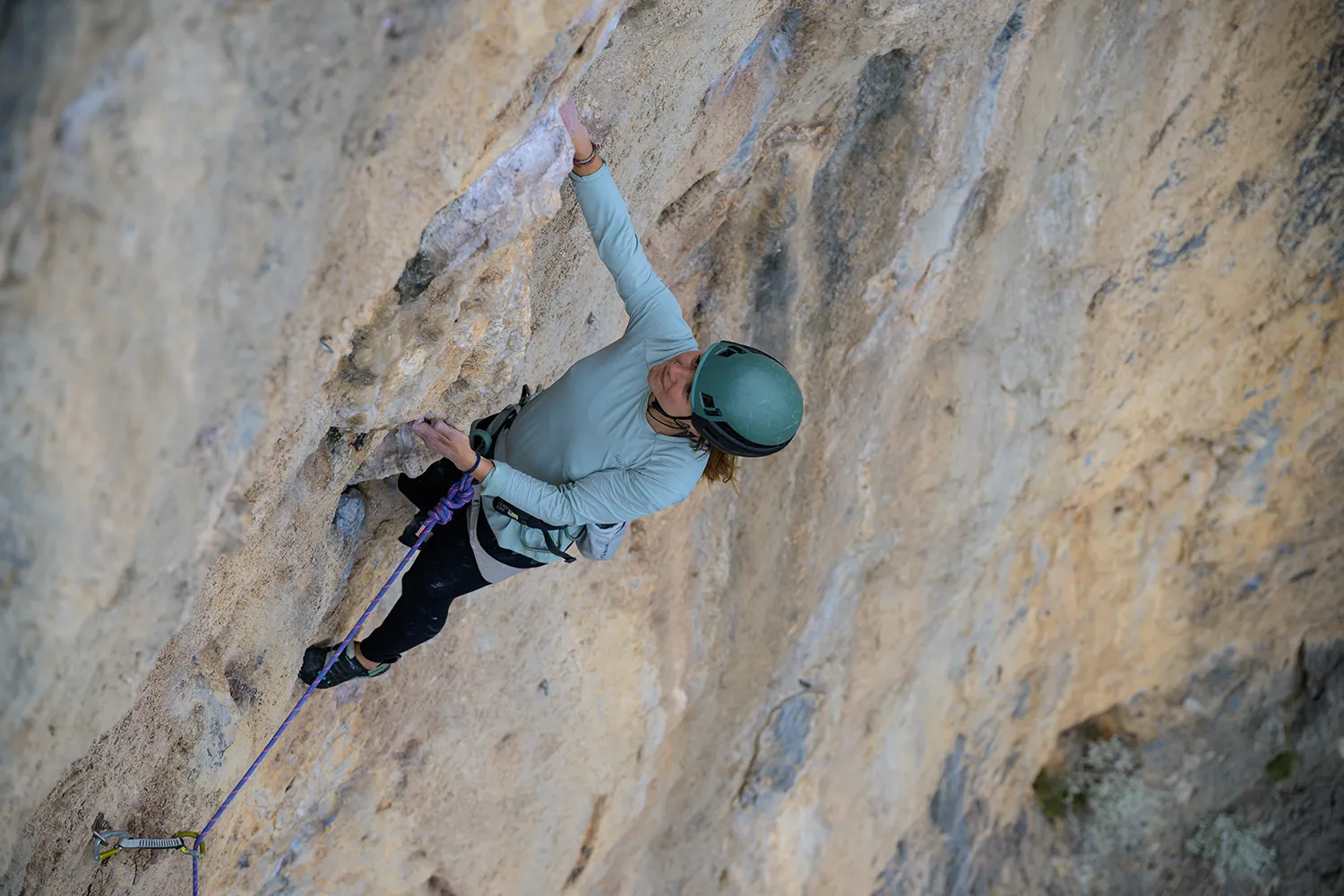
For gym, single pitch or multi-pitch routes fully equipped with bolts for protection and belay anchors.
Only valid for areas with easy approaches and descents unless combined with Mountain Walking and Trekking (summer).
Rock Climbing
With leader placed protection, single or multi-pitch routes requiring traditional climbing skills.
Only valid for areas with easy approaches and descents unless combined with Mountain Walking and Trekking (summer).
Ice Climbing
For climbs on ice formations requiring specific ice climbing techniques and equipment.
Only valid for climbs with easy approaches and descents unless combined with Winter Mountain Walking. Requires Avalanche label for avalanche terrain.
Canyoning
Descent of canyons using a variety of techniques including walking, scrambling, climbing, jumping, abseiling and swimming.
Normally includes summer hill walking skills as prerequisite. May optionally stipulate minimum rock climbing level.
Mountaineering (Alpine Climbing)
An advanced standard including significant elements of several other activity labels. Covers alpine routes requiring mixed terrain skills.
Member federations normally apply for this label only after accreditation with one of the other activity labels.
Ski Mountaineering
Ascent and descent of mountainous terrain on skis, combining skiing skills with mountaineering techniques.
Must be used in conjunction with the Avalanche requirements. Typical course length: TBC.
For full details on each qualification, including prerequisites, assessment criteria, and maintenance requirements please refer to the MQL Handbook. Please note that this version is currently being revised with an update planned by October 2026.
Download MQL HandbookThe MQL Programme - from Application to Accreditation
The key stages are: Application, Induction, Inspection, Accreditation and Revalidation of Qualifications
Standards Development
The Training Commission develops and periodically reviews international minimum standards for each MQL discipline — covering curriculum requirements, instructor competencies, assessment methods, and programme structure. Standards are updated as disciplines evolve, as new techniques or systems emerge, and in response to broader developments in climbing and mountaineering practice. The goal is to minimise accidents and maximise safety and sustainability in the mountains.
Application
A member federation wishing to have its instructor training programme accredited submits an MQL application through the UIAA database. To be eligible, the federation must have been actively training instructors for at least 24 months and have a reviewable curriculum, a succession policy, and upcoming scheduled training activities. A registration fee applies — see the MQL Service Price List for current fees.
Documentary Review (Induction)
As a rule, Induction consists of documentary review only. The Commission President appoints an internal working group to assess whether the submitted programme documentation is sufficient to proceed to Inspection. The Commission may request clarifications, corrections, or additional materials. Where a member federation needs preparatory support, the Training Commission can suggest experienced Mentors — independent professionals who support federations in developing their programmes. Mentoring is arranged directly between the federation and the mentor, outside the UIAA.
Inspection
Once induction is successfully completed, an external Inspector is appointed by the UIAA. Inspectors are independent professionals who hold relevant qualifications for the MQL discipline, have no conflict of interest with the applying federation, and are able to conduct the inspection in the required language (when possible). The Inspector conducts an on-site visit to observe the training programme in action — assessing curriculum delivery, assessment methods, instructor competency, and alignment with the applicable MQL Standard. The Inspector submits a formal Inspection Report to the Commission President. The Training Commission ensures that all Inspectors are suitably qualified, experienced, and briefed to carry out inspections impartially and in accordance with UIAA Standards.
Accreditation Decision
The Training Commission reviews the Inspection Report and votes on whether to grant Accreditation. If granted, the UIAA Office issues the final invoice. Upon receipt of full payment, the MQL Certificate is issued and the UIAA database is updated. Accreditation is valid for four years from the date of payment confirmation. Only programmes holding a current, valid MQL accreditation may use the UIAA Training Certificate Logo on instructor qualification certificates.
Revalidation
Accreditation must be renewed to remain valid:
- Year 4 — Administrative Revalidation: The member federation submits updated programme documentation for desk review. The Training Commission votes on renewal. No on-site visit is required unless significant changes have occurred. Only the administrative revalidation fee applies — there are no inspection costs at this stage.
- Year 8 — In-Person Revalidation: A full on-site Inspection is required, following the same process as the initial accreditation. The registration fee is waived at Year 8 - only inspection costs apply.
Further information
Please refer to the library of documents on the Training home page for further details.
How does the UIAA support with subject matter?
The Training Commission may be called on as subject matter experts for international training standards, the best practice of climbers and practitioners, or the techniques used by practitioners around the world.
Such subject matter expertise may be of value to worldwide media, legal consultation, researchers and equipment manufacturers or the general climbing community.
When an issue of best practices arises, the Training Commission may delegate a subcommittee of technical experts to produce informational content for public consumption in whatever format is appropriate to disseminate the information globally.
What are the benefits for UIAA member associations?
MQLs provide a range of benefits for member organisations, and individual climbers and mountaineers seeking to improve their skills and knowledge.
Online Presence
The UIAA maintains a database of all accredited programmes, tracking each stage of the accreditation process and displaying certificates with expiry dates.
Standardisation
MQL standards ensure that accredited training programmes meet a consistent international benchmark, regardless of where in the world they are delivered.
Quality Assurance
Regular review cycles — including administrative revalidation at Year 4 and in-person inspection at Year 8 — ensure that accredited programmes continue to meet the standard over time.
Safety
Accredited programmes train instructors to a verified level of competency, contributing to safer outcomes for climbers and mountaineers worldwide.
International Recognition
Demonstrate competence to potential employers and clients worldwide. Option for federations to negotiate cross-recognition.
Professional Development
Promotes safety, standardisation, and professional development across the climbing and mountaineering industry.
How to become an MQL inspector
The UIAA Training Commission appoints independent, external inspectors to conduct on-site assessments of member federation instructor training programmes as part of the MQL accreditation process. This is a paid, contracted role engaged on an assignment-by-assignment basis, compensated in accordance with the UIAA MQL Service Price List.
To be considered as a UIAA MQL inspector you must:
- Hold recognised professional qualifications relevant to at least one MQL discipline (Sport Climbing, Multi-Pitch, Hiking, Canyoning, Ski-Touring, or Mountaineering/Expedition)
- Have experience in the delivery, assessment, or quality evaluation of instructor training programmes at national or international level
- Be able to conduct inspections independently and impartially, with no conflict of interest with the applying member federation
- Hold valid professional indemnity insurance
- Be able to communicate effectively in English and, where required, in the language of the inspection