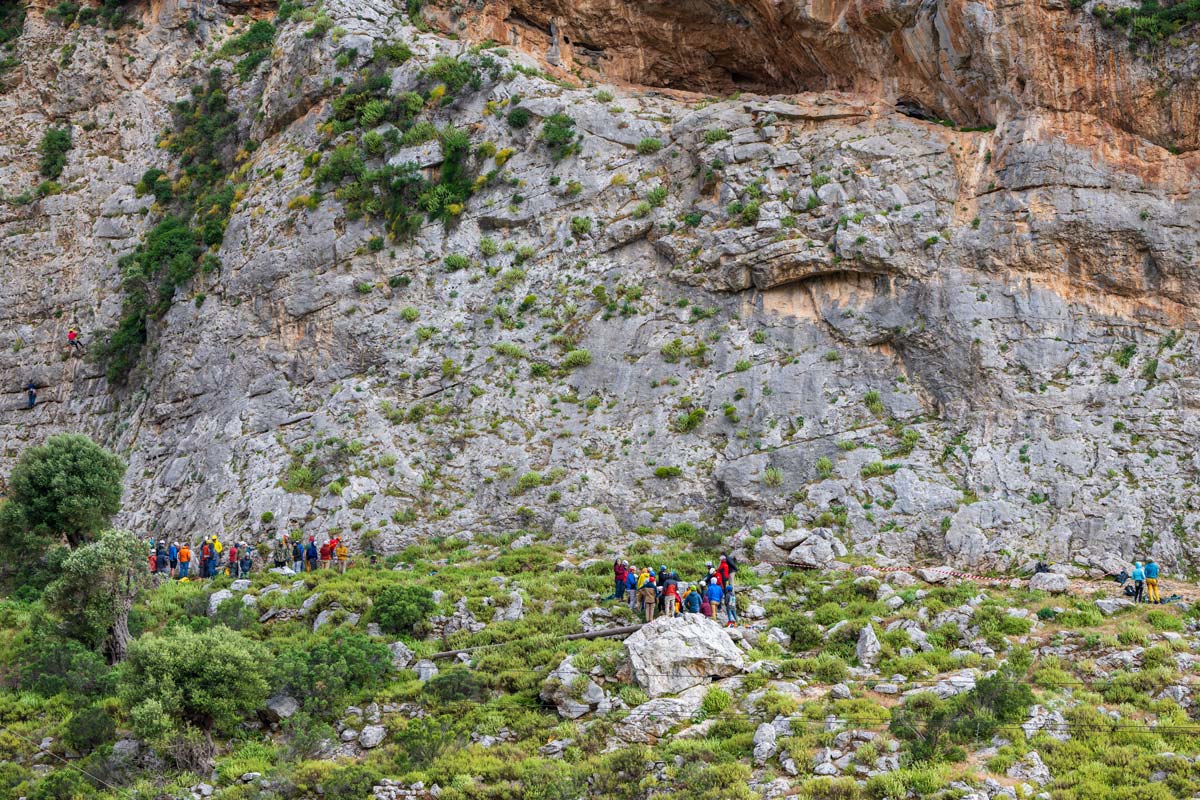
Relearning a lesson 150 years old
Falls by climbers are by far the most frequent type of accidents in alpine mountains, if we go by the number of accident reports submitted to the SERAC database in France. A solid majority of the falls registered in SERAC result in physical injuries. Data from the French mountain police force (PGHM) show that such falls cause on average 24 deaths per year in French mountain ranges.
Falls are frequently caused by loose rock and failing handholds. A recently published analysis of two such accounts in the SERAC database show that the climbers’ desire for swift progress is a key causal factor, combined with a degree of overconfidence on comparatively easy ground and somewhat inadequate communication between the climbers.
The analysis, written by the mountain guide and accidentologist Maud Vanpoulle in collaboration with the Petzl Foundation and Camptocamp, takes a closer look at two different accidents in the French Alps. Both accidents happened on steep mountain ridges, one to a climber who had consciously decided not to use the rope, and the other one to a roped-up climber on poor protection.
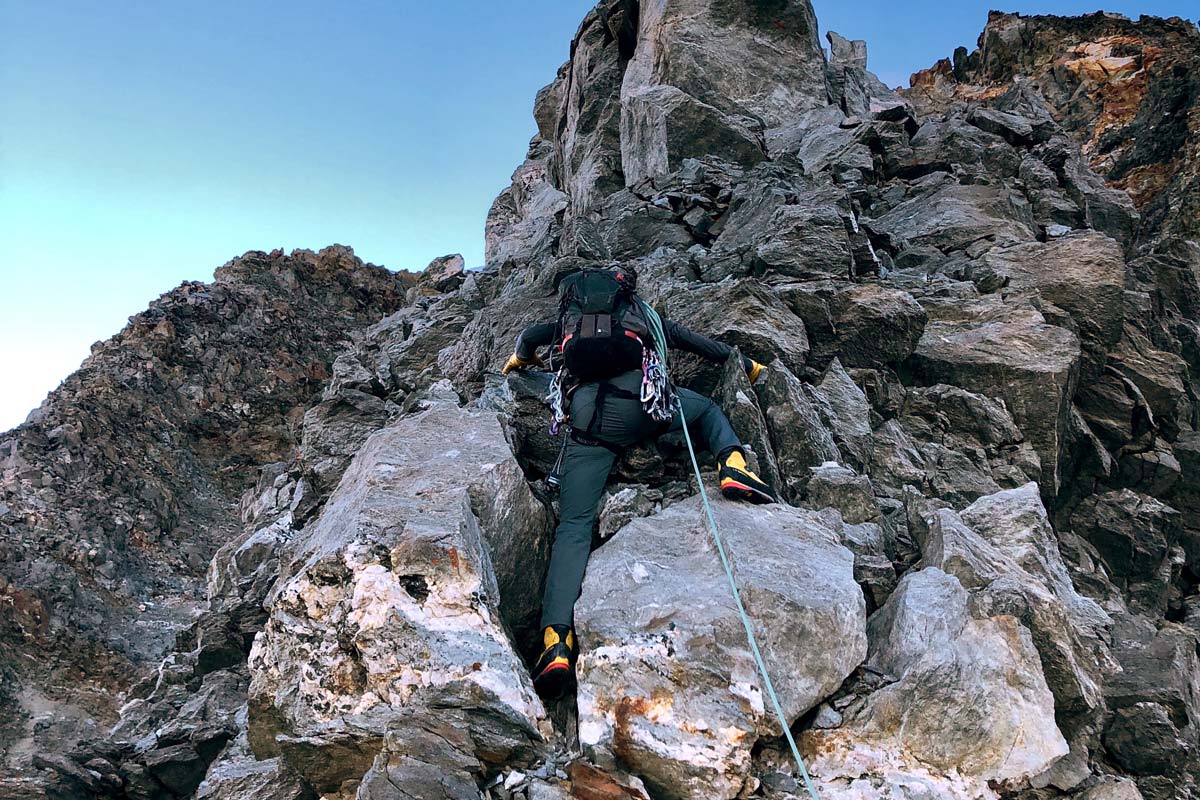
Scrambling on loose rock on the Arête Payot in the Mont Blanc massif. Photo credit: Olivier Moret, Petzl Foundation
Following a recounting of what happened and the climbers’ own accounts of their reasoning, the published report analyses the causal factors and summarises the common denominators:
- A high level of motivation, leading to overeagerness and haste
- Too much emphasis on speed and progress, leading to hasty and inadequate assessment of the present conditions and inadequate belaying or anchor placement
- Inadequate communication, leading to unspoken decisions and differences in situational awareness
The analysis concludes by listing six specific lessons to learn, among them four very old ones:
- Think ahead about dangerous situations
- Take care to communicate well within the team
- In the mountains, always test holds and anchors
- Don’t be afraid of taking good time
Thus, the report, and the data available in the SERAC database, give us a welcome chance to relearn what was so eloquently phrased by Edward Whymper in 1871:
“Climb if you will, but remember that courage and strength are nought without prudence, and that a momentary negligence may destroy the happiness of a lifetime. Do nothing in haste; look well to each step; and from the beginning think what may be the end.”
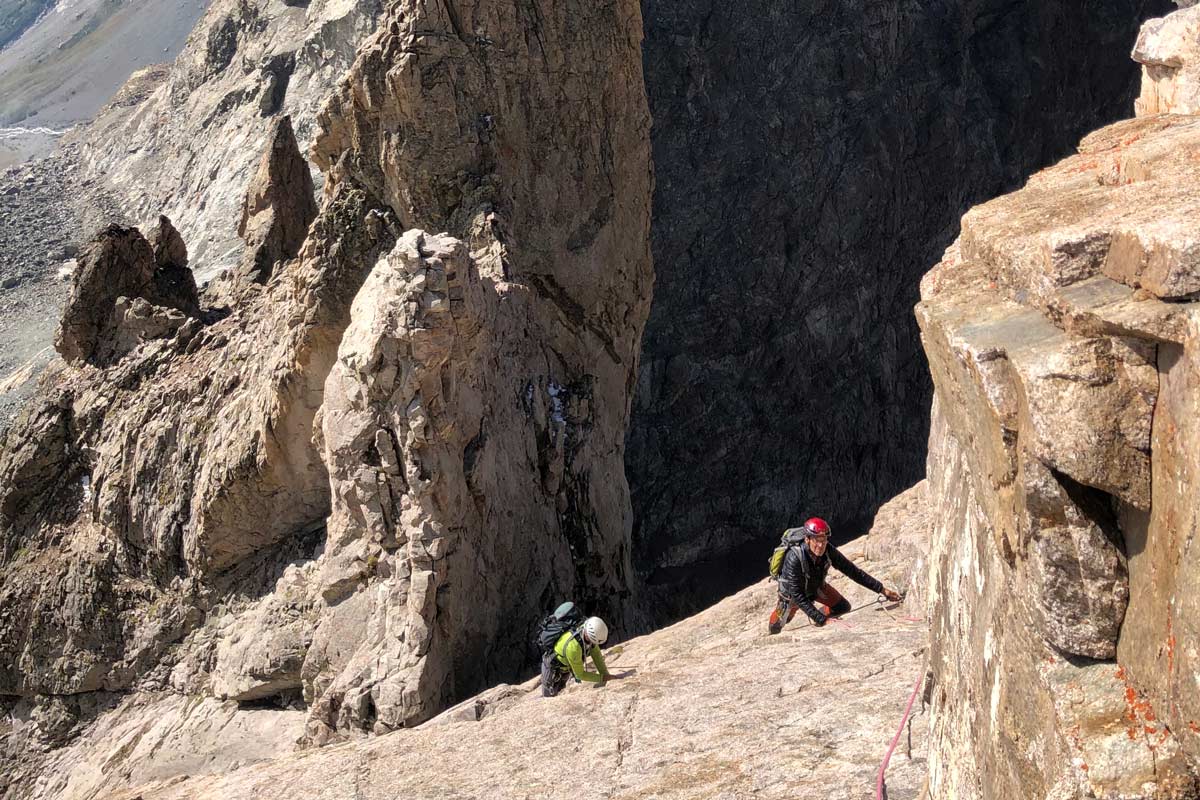
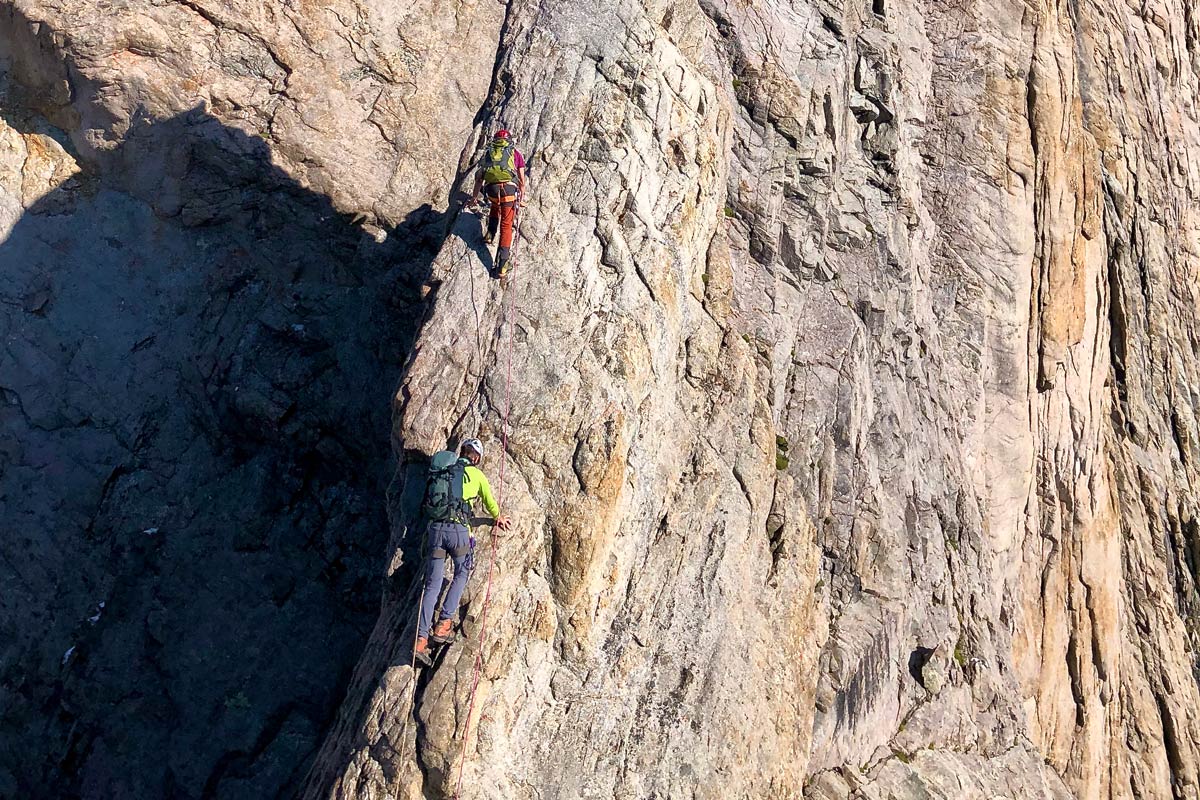
Roped up and happy on the Sialouze Traverse in the Écrins, in the French Alps.
Photo credit: Olivier Moret, Petzl Foundation
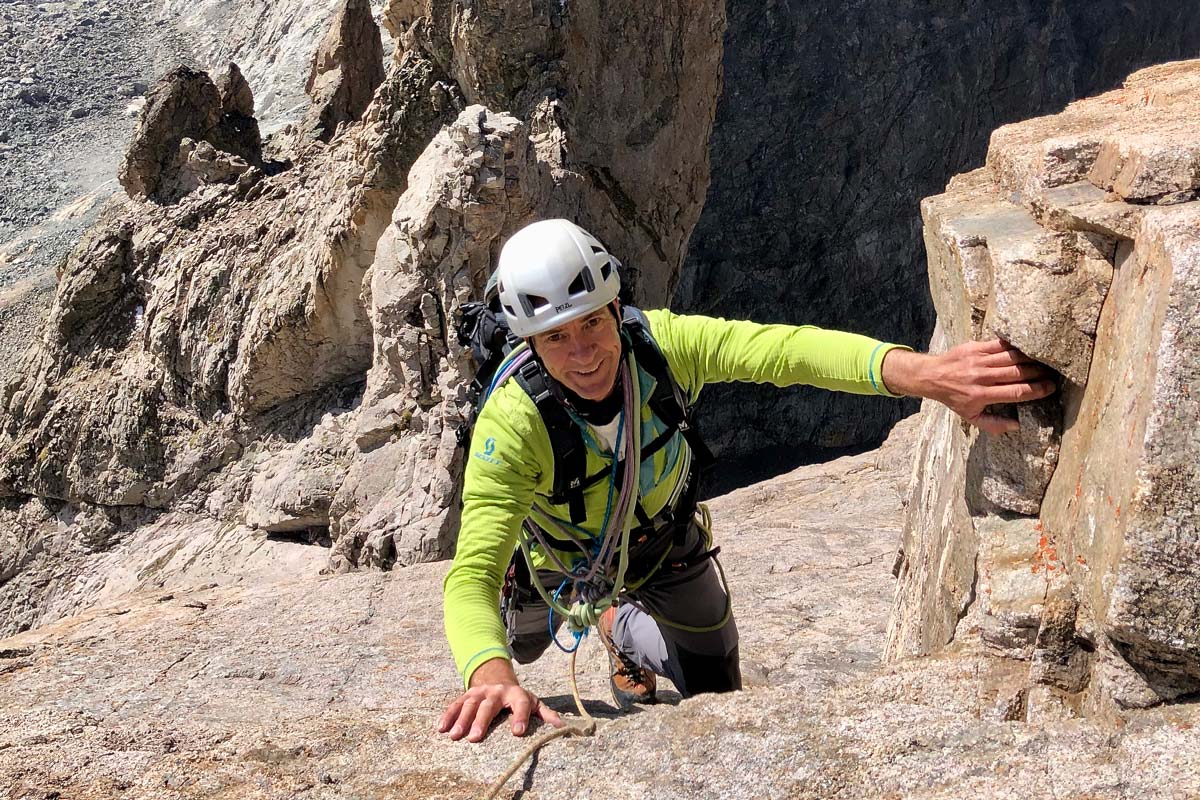
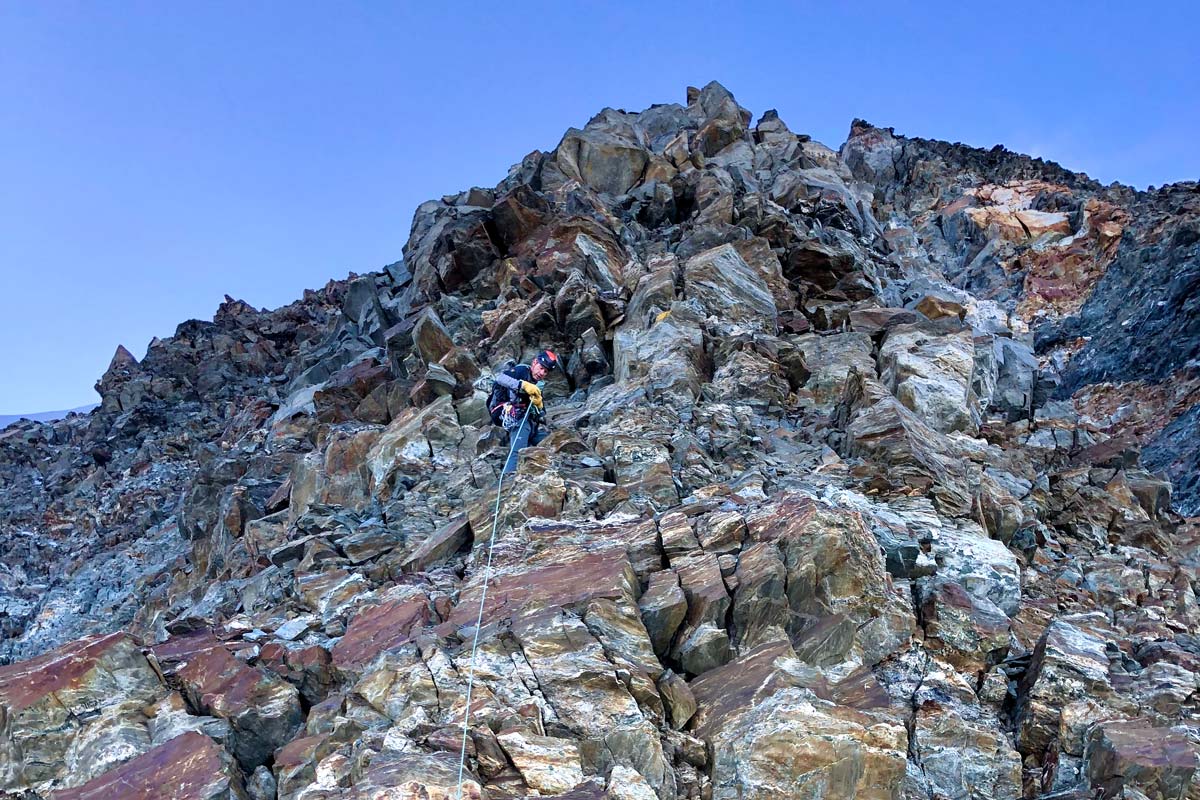
Photo credit: Olivier Moret, Petzl Foundation
The SERAC quarterly analysis reports
The cited analysis is included in a guarterly series of reports based on SERAC data, published on the Camp2camp.org website. The series consolidates knowledge and safety advice drawn from hundreds of individual accident reports submitted to the SERAC database, thus showing the importance and community benefit of contributing accident reports.
Each report recounts specific mountaineering accidents reported to SERAC and gives detailed insights into the often complex causal factors involved. The reports are written in French, and most of them are translated in English.
Accident Reporting
Download
Report

This article forms part of a series of case studies derived from reports submitted to national accident and near miss reporting databases which are included in the UIAA’s international directory of accident data reporting systems. For more information on the different databases, and to view, additional case studies, click here.
—
Supporting Resources
This report in full
Presentation of report series and the accidentology work of the Petzl Foundation, SERAC, and the Camptocamp.org community
Report series on the Camptocamp website
Presentation on the UIAA website of the accidentology project based on SERAC data and supported by the Petzl Foundation