Finding a body is likely to be disturbing. We must be mindful to respond with sensitivity and common sense.
The UIAA Declaration on Hiking, Climbing and Mountaineering, published in 2024, was created in part to lay out the generally accepted norms for behaviour that the UIAA considers optimal. This includes the ethics and style with which we climb and the environmental and social considerations that we should be aware of. The extract quoted above comes from the section ‘Balancing Risk, Success and Failure’.
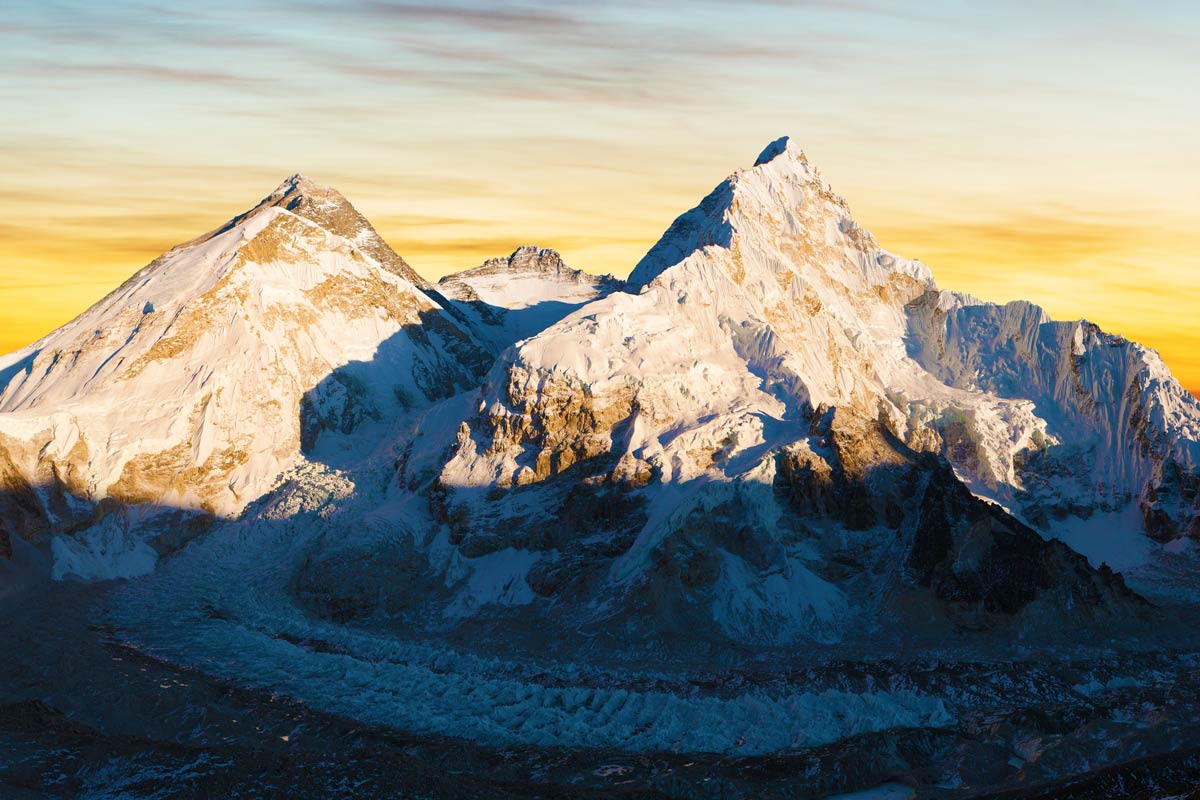
Partly due to the impact of climate change, discovering a body – especially on the upper slopes of the high mountains – is becoming an increasingly common occurrence. Documenting these findings, thanks primarily to advancements in camera phone technology, has never been easier. In some instances documentation may be both necessary and warranted. It has also led to an increase in content posted on social media channels where, for example, videos of climbers walking past (and even over) the bodies of the dead and dying, has created a moral debate and raised the question of respect for human dignity.
While the documentation of mountain environments – including accidents – much like that of a conflict or war can serve legitimate journalistic, educational and historical purposes, the unfiltered and sometimes out of context publication of such graphic images is unquestionably both distasteful and shows a lack of respect for the deceased and their family and friends.
The UIAA, which represents member federations from more than 70 countries, recognises that cultural and religious differences mean that the way dead bodies are treated will vary widely. Cremation for example is going to be impossible at 8000+ metres on a Himalayan peak. Burial is also usually not an option unless a crevasse is nearby.
It is also appreciated that often, the corpses of climbers who have died in those circumstances, are of necessity, left where they have passed on, due to the impossibility of moving the body. It is difficult to imagine the mind-set of those climbers who, passing by the bodies of the unfortunates who have died, stop to take a picture, unless it is to possibly privately pass on to the family of the deceased. It is even harder to imagine the mind-set of someone choosing to post, on social media, images of these dead climbers. This goes strongly against the ethos of the Declaration.
This analysis of one of the Declaration’s messages is not a call for censorship but for humanity. Tragedy in the mountains should never be treated as spectacle. Behind every accident lies a person, a story and a community that deserves dignity and care. In this respect, mountaineers are urged to act in the way that they themselves would wish to be treated and expedition leaders are further exhorted to ensure that the members of their parties act in a sensitive manner when encountering the bodies of dead climbers on the mountain. In this way, the dignity of all climbers will be ensured.