To complement existing medical advice available on the International Climbing & Mountaineering Federation (UIAA) website, the UIAA Medical Commission has recently published a comprehensive health advice site specifically for older hikers, climbers and mountaineers (65+).
The advice is presented in an FAQ format and addresses three general questions related to travel, strength and exercise before a deep dive into four categories. These are:
- Bones & joints (back surgery, joint replacement, osteoarthritis, osteoporosis);
- Heart & lungs (blood pressure, COPD, heart attack);
- Mind & movement (anxiety, dementia, gait changes);
- Other (big adventures & high altitude, cancer, type 2 diabetes, urinary issues).
The advice is the result of a rigorous and collaborative process involving a wide range of experts from the UIAA Medical Commission. This is the second such FAQ website following the advice prepared for women at altitude in 2024. Advice specific to taking children to altitude is due in 2027.
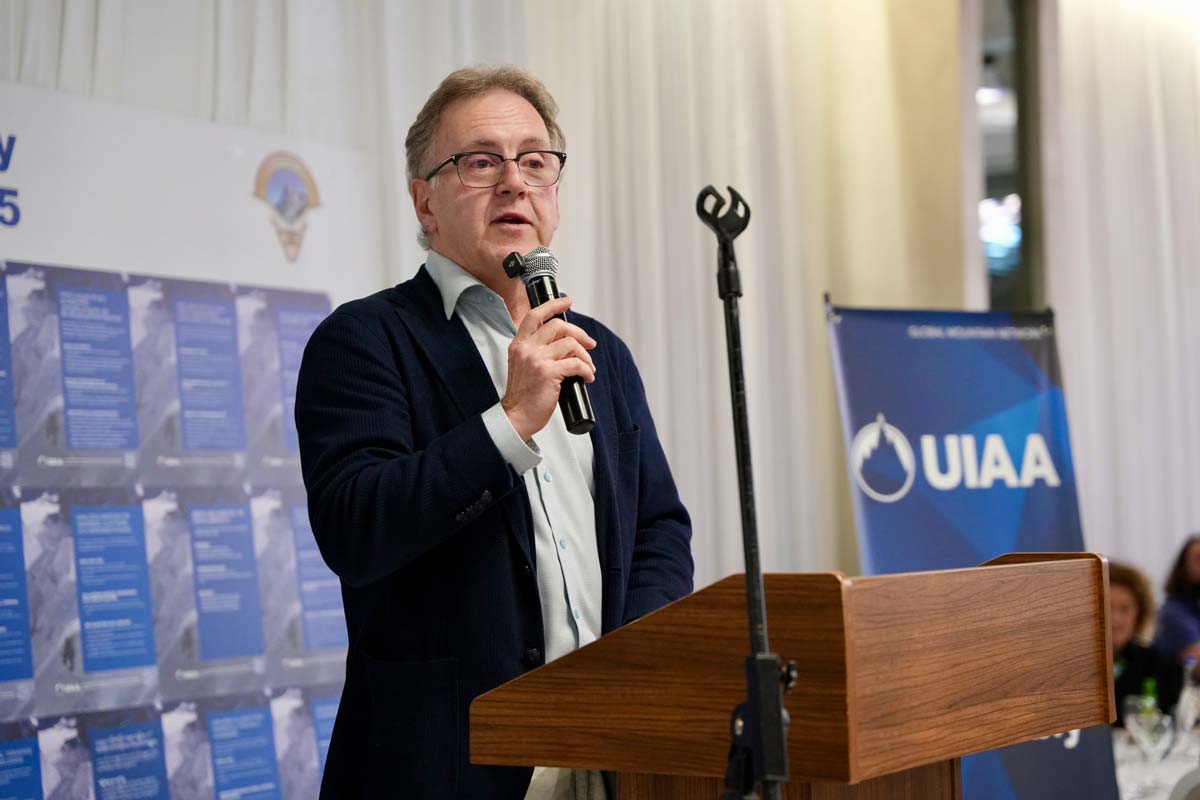
As Dr Urs Hefti, UIAA MedCom President, orthopaedic surgeon and leader of a sports medicine clinic in Switzerland, explains in a dedicated message:
“I want to urge you: do not wait until you notice your strength declining to start training your muscles. Start training now. Too many older people come to my clinic after falls or injuries that might have been less serious, or perhaps avoided, if they had maintained better strength, fitness and muscle.
Strong muscles help you remain independent. They support your posture and joints, help you climb and tackle uneven ground, improve balance and reduce the risk and consequences of falls. They also help you recover from illness, surgery and periods of inactivity. If you want to keep walking, scrambling or climbing in the mountains, strength is not an optional extra.
Muscles are not just a motor for movement but help us to remain healthy in numerous ways: actively regulating carbohydrate and fat metabolism, supporting immune function and hormonal balance, even helping to regulate inflammation.”
Dr Hefti’s full message can be viewed on the FAQ site.
The Health Advice FAQS for Older Mountaineers (65+) can be accessed here.