Conservation of Biodiversity
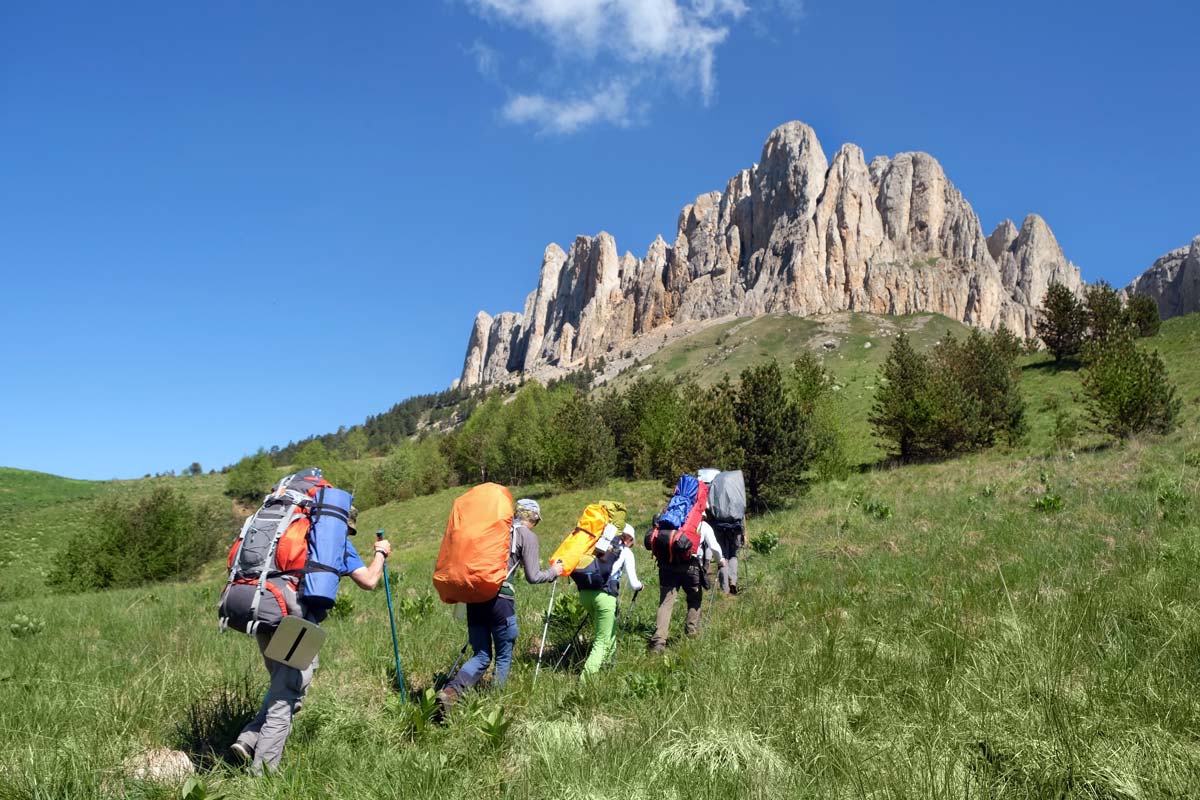
[vc_row row_type=”row” use_row_as_full_screen_section=”no” type=”full_width” text_align=”center” css_animation=”” box_shadow_on_row=”no”][vc_column][vc_single_image image=”60470″ img_size=”full” alignment=”center” qode_hover_animation=”” qode_css_animation=””][/vc_column][/vc_row][vc_row row_type=”row” use_row_as_full_screen_section=”no” type=”grid” text_align=”left” padding_top=”40″ padding_bottom=”60″ css_animation=”” box_shadow_on_row=”no” el_class=”.large”][vc_column][no_elements_holder number_of_columns=”one_column”][no_elements_holder_item item_padding=”0px 15px 0px 15px” aligment=”left” advanced_animations=”no”][vc_column_text]Mountain ecosystems include a wide range of small and unique habitats, with flora and fauna that may have very short growing and reproductive seasons, and may be particularly sensitive to disturbance by human activity. High visitor concentrations often result in the development and intense use of tracks, paths and sports slopes by vehicles, non-motorized transport and pedestrian traffic.
Efforts that help visitors avoid/minimize negative impacts to ecosystems, provide environmental education opportunities, enhance environmental monitoring efforts, or prevent degradation through trail maintenance, invasive vegetation removal, etc. are welcome.
Note: The introductory paragraph is taken directly from UNEP. (2007).
Mountains: A Practical Guide to Managing the Environmental and Social Impacts of Mountain Tours.
[/vc_column_text][/no_elements_holder_item][/no_elements_holder][/vc_column][/vc_row][vc_row row_type=”row” use_row_as_full_screen_section=”no” type=”grid” text_align=”left” padding_bottom=”30″ css_animation=”” box_shadow_on_row=”no” el_class=”.subheading”][vc_column][vc_column_text]
Conservation of Biodiversity Projects
If you like a project and want to support it, please click on the project page and donate directly.
[/vc_column_text][/vc_column][/vc_row][vc_row row_type=”row” use_row_as_full_screen_section=”no” type=”grid” text_align=”left” padding_top=”20″ padding_bottom=”80″ css_animation=”” box_shadow_on_row=”no”][vc_column][no_blog_list type=”image_in_box” order_by=”date” order=”DESC” title_tag=”h6″ display_excerpt=”1″ post_info_text_transform=”none” post_info_font_weight=”700″ post_info_font_style=”normal” display_category=”0″ display_date=”0″ date_place=”by_title” display_author=”0″ display_comments=”0″ display_button=”0″ title_size=”18″ title_color=”#77a01a” excerpt_color=”#000000″ number_of_posts=”13″ text_length=”250″ post_info_font_size=”16″ post_info_color=”#171717″ post_info_link_color=”#171717″ category=”conservation-of-biodiversity”][/vc_column][/vc_row][vc_row row_type=”row” use_row_as_full_screen_section=”no” type=”full_width” text_align=”left” padding_top=”80″ css_animation=”” box_shadow_on_row=”no” el_id=”spacer”][vc_column][/vc_column][/vc_row]