Tangible momentum, excelling in safety initiatives, communicating more effectively
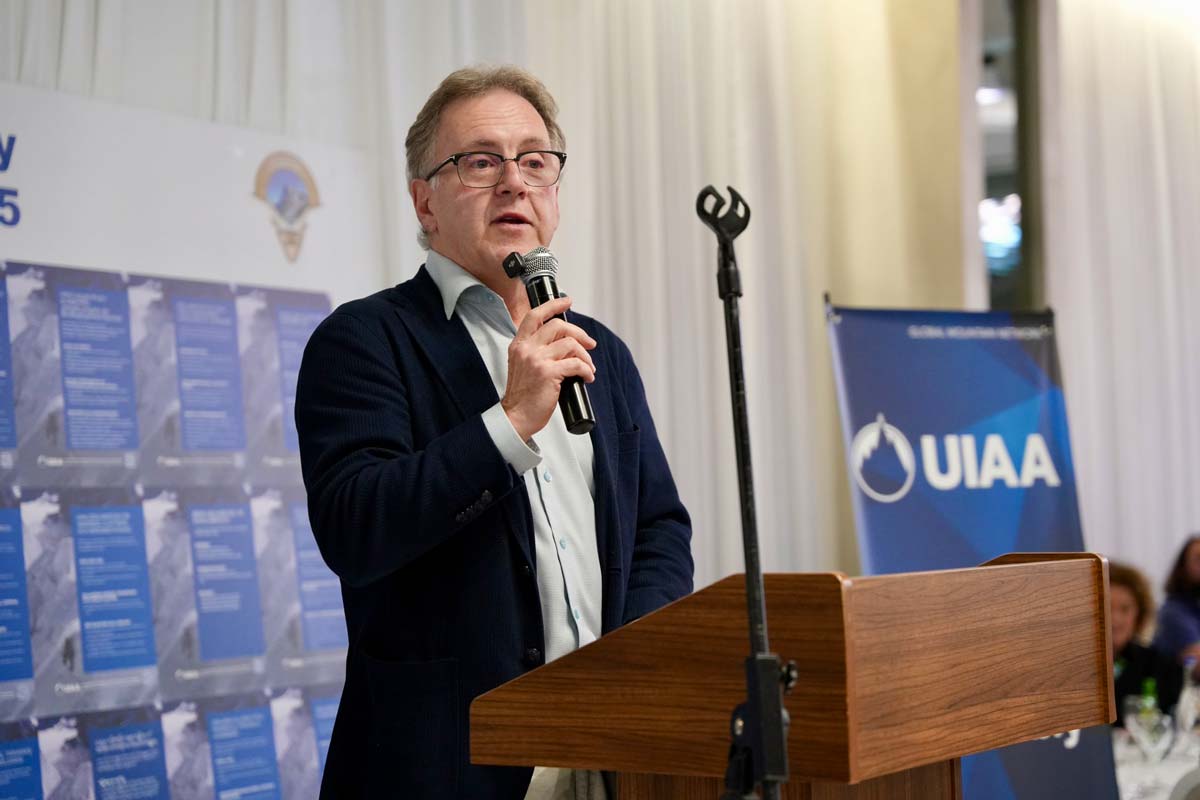
Below is UIAA President Peter Muir’s report for the 2026 UIAA General Assembly to be held in Kathmandu, Nepal from 30-31 October.
Over the past year, the UIAA has achieved significant, tangible momentum across multiple strategic fronts. My report for 2026 details success stories and where room for growth and development is still needed.
Historically, UIAA commissions and projects operated in siloed structures. Today, our seven strategic priorities function more as an interconnected ecosystem. For example safety research directly feeds training programmes; training supports rock climbing and hiking growth; youth engagement enriches climate advocacy; and global representation and improved communication strengths the reach of our messages and projects.
The UIAA has transitioned from legacy structures into a period of active organisational renewal. With balanced operations, a clearer focus on core projects, and deeply engaged body of volunteers, the UIAA is exceptionally positioned to serve the global mountain community for years to come and with great momentum going into its centenary in 2032.
A return to Nepal
Returning to Nepal for this General Assembly marks my fourth trip on behalf of the UIAA, having first visited in 2011 with the Alpine Club of Canada. The Nepal Mountaineering Association (NMA) continues to be an exceptionally active and dedicated member federation. While we anticipate a warm reception and a highly productive, engaging meetings with a strong turnout, our gathering carries a somewhat sombre weight due to the severe natural disasters that have recently impacted Nepal.
These tragedies serve as a harsh and immediate reminder of the stark reality of climate change. When the mountain environment turns unforgivingly on local populations who are simply striving to live their daily lives, it forces an unmistakable lesson upon us all. The UIAA will directly honour the climbing community in Nepal through the Give Back to Climbing donation initiative and by active participation in the Mountain Sports Symposium, which places an encouraging focus on youth engagement. We encourage your support for both projects.
What members will take home from the GA
In direct response to feedback from prior General Assemblies, where members expressed that information was often delivered without sufficient opportunity for dialogue, we have restructured the GA format. We are committing dedicated time to more meaningful two-way discussions.
The UIAA is not an entity that merely broadcasts updates; we rely on active constructive feedback, to challenge and refine our work. A critical responsibility now rests on delegation leaders and federation presidents to carry these outcomes back to their respective member associations. Ensuring that grassroots members understand and contribute to our global initiatives is essential for our collective growth.
A more diverse UIAA
Reflecting on internal growth, the collaboration across our Executive Committee, Management Board and staff has reached a mature, open and highly constructive level.
Under the guidance of our Diversity Working Group, we are executing clear steps toward meaningful diversity. While progress is underway, our General Assembly must evolve to reflect the true demographic of our crags and mountains, which approaches an equal balance of men and women. We uphold the Brighton-Helsinki Declaration as a firm, actionable commitment.
Recognising volunteer expertise and commitment
Volunteers represent our most critical resource. They donate time and deep expertise, qualities that are utterly irreplaceable. We are implementing structured initiatives to formally acknowledge, thank and highlight our international volunteer base. These will be communicated more widely on International Volunteer Day, 5 December.
Safety Centre of Excellence – continuing to excel
Safety remains the central pillar and primary entry point through which much of the global community interacts with the UIAA. The formation of the Safety Centre of Excellence has successfully unified our safety, medical, and training commissions into a cohesive unit. I want to highlight some achievements in 2026:
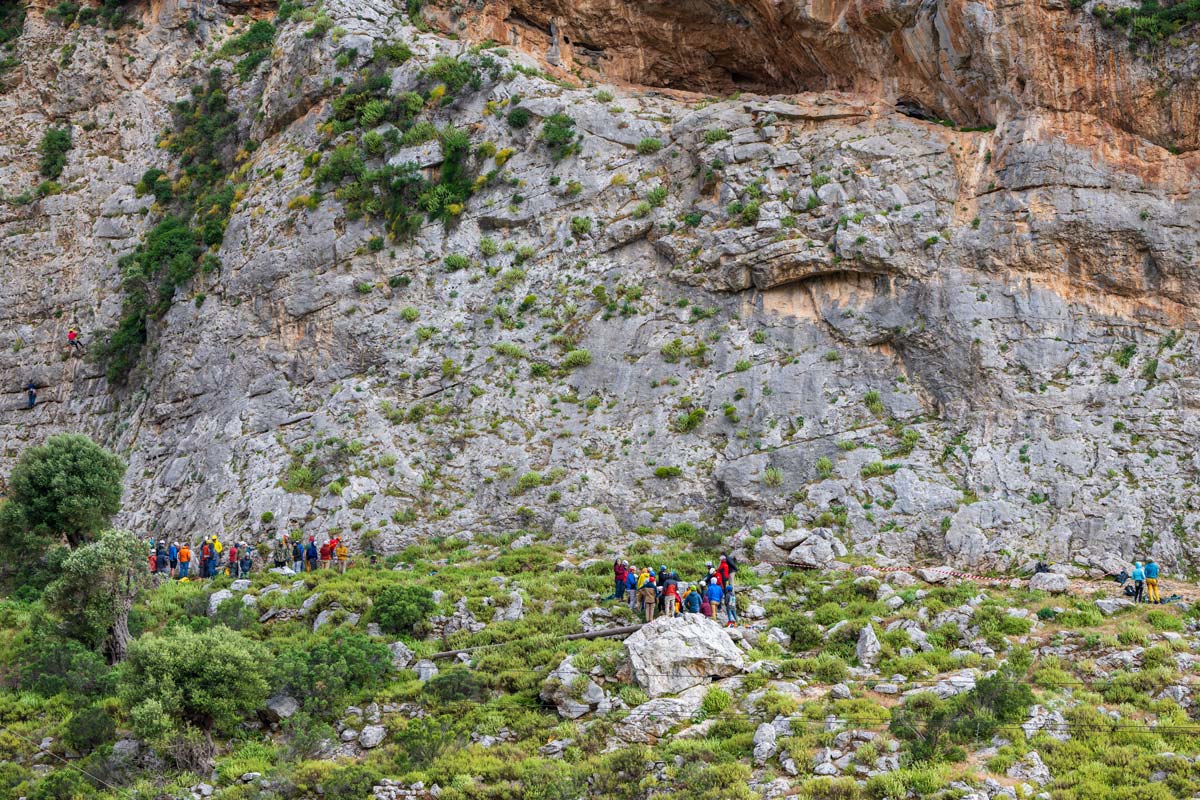
Kalymnos Rebolting Initiatives: The rebolting and rock anchor workshops and courses in Kalymnos were a highlight of the year. The response of the UIAA SafeCom following the anchor failure incident in Kalymnos was exemplary. Conducting rigorous technical inspections and site research they have committed significant resources to producing a report of seminal importance. Both the upcoming release of the report and the initial statement, due in mid-October, are vital pieces of work.
Medical Commission in Hathersage: Likewise the Medical Commission played a crucial role in a major international event with the World Congress on Mountain Medicine held in the UK in May. There they lead a number of discussions and presented information on some of their recent and upcoming papers with a focus on high-altitude advice for women and children and advice, to be published in mid-October, on Older Mountaineers.
Accident Reporting Position Paper: Built on the principle that knowledge drives learning and learning establishes safety, the accident reporting work bridges vital communication gaps. While insurance constraints in certain jurisdictions hesitate around liability concerns, analysing accident data without attribution of blame is vital for educational advancement. The recent Accident Reporting Position Paper is the latest important global declaration from the UIAA, and I am delighted it was co-signed by other major and likeminded organisations.
Institutional Collaboration: We have expanded collaboration with ICAR, the IFMGA, the Petzl Foundation, and certified UIAA Safety Label holders. This includes their participation in UIAA working groups. Together our message is stronger as is our commitment to supporting the climbing community.
Global representation & strategic partnerships
Our strategy prioritises meaningful global presence over numerical targets. Expanding our footprint in South America and Africa has established authentic, supportive relationships with both organisational bodies and mountaineers and climbers in these regions.
Climbing federations often navigate dual identities between competitive sports and recreational outdoor pursuits. Partnering with organisations such as World Climbing or the International Ski Mountaineering Federation (ISMF) is a complementary relationship. While a fraction of climbers compete, thousands more engage recreationally. The UIAA provides critical value to these groups, such as safety standards, equipment and gear certification, environmental advocacy and information related to accident reporting and access.
Training operations return
Following a period of review, UIAA Training programmes were successfully revamped and relaunched in May. Building on longstanding core principles, the updated framework establishes a clearer, more transparent structure for member federations. This includes:
- Clear qualifications and recertification: Standardised regulations, transparent recertification pathways and fair fee structures ensure sustainable programme management.
- Institutional continuity: Educational programmes structured to transcend individuals, ensuring operational continuity regardless of volunteer turnover.
- Resource sharing: Member federations, especially those with limited internal budgets, are encouraged to adopt and adapt UIAA frameworks rather than spending resources ‘reinventing the wheel’.
- Specialised guides: The release of comprehensive materials, such as the Canyoning Handbook and upcoming medical papers regarding both young and older mountaineers.
Strategic expansion: Rock climbing & hiking
The UIAA has needed to expand from a perceived over focus on the high-altitude to serve the broader spectrum of outdoor recreation and climbing, and represent more fully who goes to the crags, hills, valleys and mountains.
- Rock Climbing: Through festival partnerships and uniting dedicated resources for rock climbers and the future production of guidelines (both for festivals and crag management), the UIAA is ensuring all levels of rock climbing receive more direct support and greater visibility in communication.
- Hiking: Hiking represents a massive global demographic. In collaboration with bodies like EUMA, the UIAA is working to centralise trail resources, safety protocols and route guidance without duplicating efforts. And again, ensure greater visibility.
Through the Mountaineering Commission and working groups, more important work is being delivered on these projects and with the strong foundations laid in 2026, I expect to be able to report on even greater progress in 2027.
Ice Climbing: post-2030 realignment & growth
Following the decision earlier this year regarding the 2030 Winter Olympic Games programme, the UIAA and the World Ice Climbing Board are executing a deliberate and effective strategic realignment.
Stepping back from the Olympic campaign allows the sport to focus internally on fundamental building blocks, such as standardising competition management and official development; expanding grassroots youth competitions and the World Youth Championships and establishing stable operational structures under dedicated leadership.
The UIAA commends outgoing board chair JoAnne Carilli-Stevenson for her hard work and dedication throughout two full years in the role and the entire World Ice Climbing Board for managing this transition successfully. A new chair will be elected during the GA.
Financial stability & resource allocation
The UIAA’s financial position has successfully stabilised. Rather than accumulating large financial reserves or cutting back on key initiatives, the UIAA operates on balanced, responsible budgets designed to maximise direct support to commissions.
Through disciplined fiscal management led by the Finance & Audit Working Group, the UIAA has been able to deliver greater output across communications, technical research and publications, and safety initiatives while maintaining fiscal balance.
Climate action, environmental reality & pragmatism
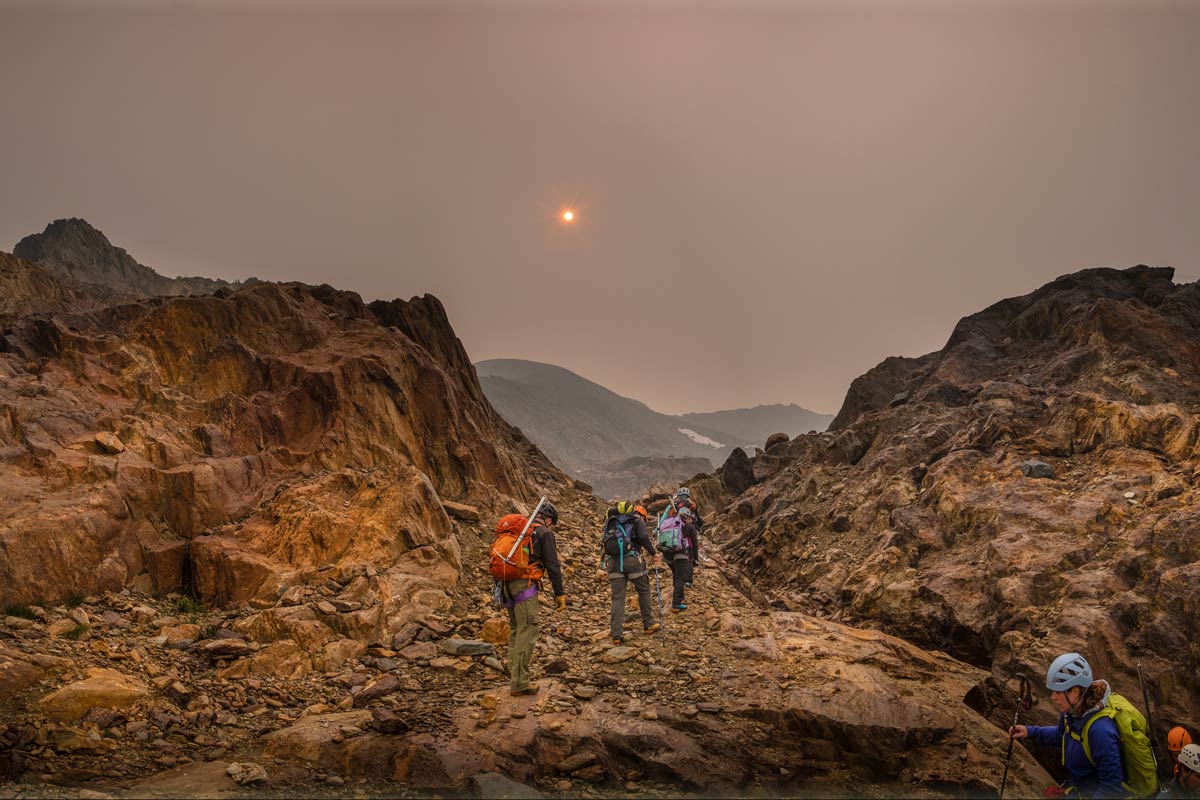
The past year presented stark evidence of accelerating environmental disruption across a vast number of mountain regions globally, from extreme avalanches to widespread flooding and forest fires. No area of the world has been safe from the devastating impacts.
The UIAA Climate Change Task Force (CCTF) is refining its guidance to support member federations that face resource limitations in meeting complex sustainability criteria. The Climate Change Summit at this GA is a fundamental part of the programme and we encourage active collaboration and sharing of best practices. We believe a high volume of practical, small-scale operational changes across our member network will drive meaningful collective progress.
And just before this GA, we celebrated the 2025-2026 Mountain Protection Award winners at a dedicated ceremony in Bern.
Youth integration across all pillars
Youth engagement is not an isolated discipline; it is an active requirement which should be woven into every area of the UIAA.
A major milestone this past year was holding dedicated youth sessions featuring direct participation from young climbers themselves. Moving forward, the UIAA will focus on creating direct access points for young leaders within commissions, boards, and working groups; distributing safety, medical, and technical guidance through channels tailored to youth audiences.
Roping together – one team
I’d like to thank all of our member associations, Executive Committee and Management Board members, Commission Presidents, Court, all volunteers across Commissions and working groups, athletes, partners and sponsors. By working together we make the climbing world a better, safer and more inclusive place.