During May’s UIAA spring meetings in Leeds, a special workshop was held to discuss several different access case studies from around the world. Over the coming weeks, the UIAA will share a number of these compelling stories.
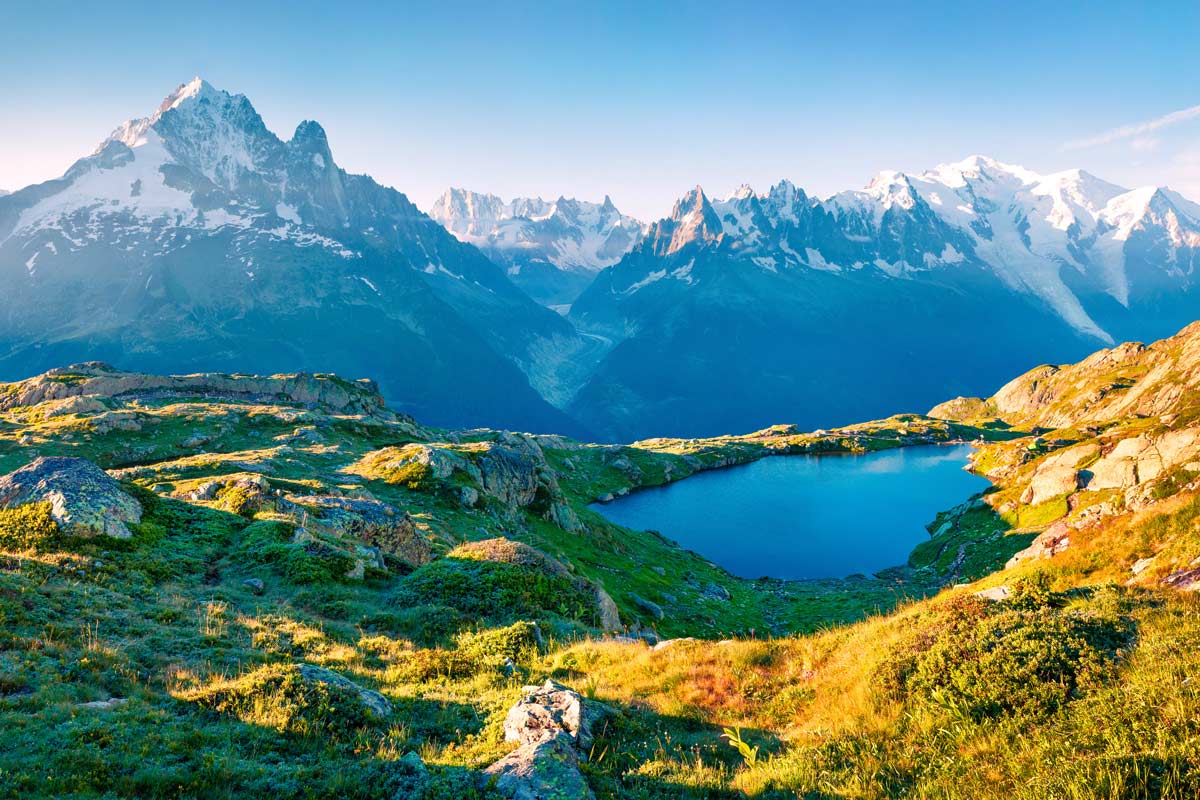
Following on from a case study about the Piedra Parada rock formation and nearby canyon in the Chabut province of Argentina, comes the developing situation on Mont Blanc, one of the most iconic mountains in the Alps. The subject was presented by Jean Mizcka, UIAA Management Committee member and Vice President of Fédération française des clubs alpins et de montagne (FFCAM).
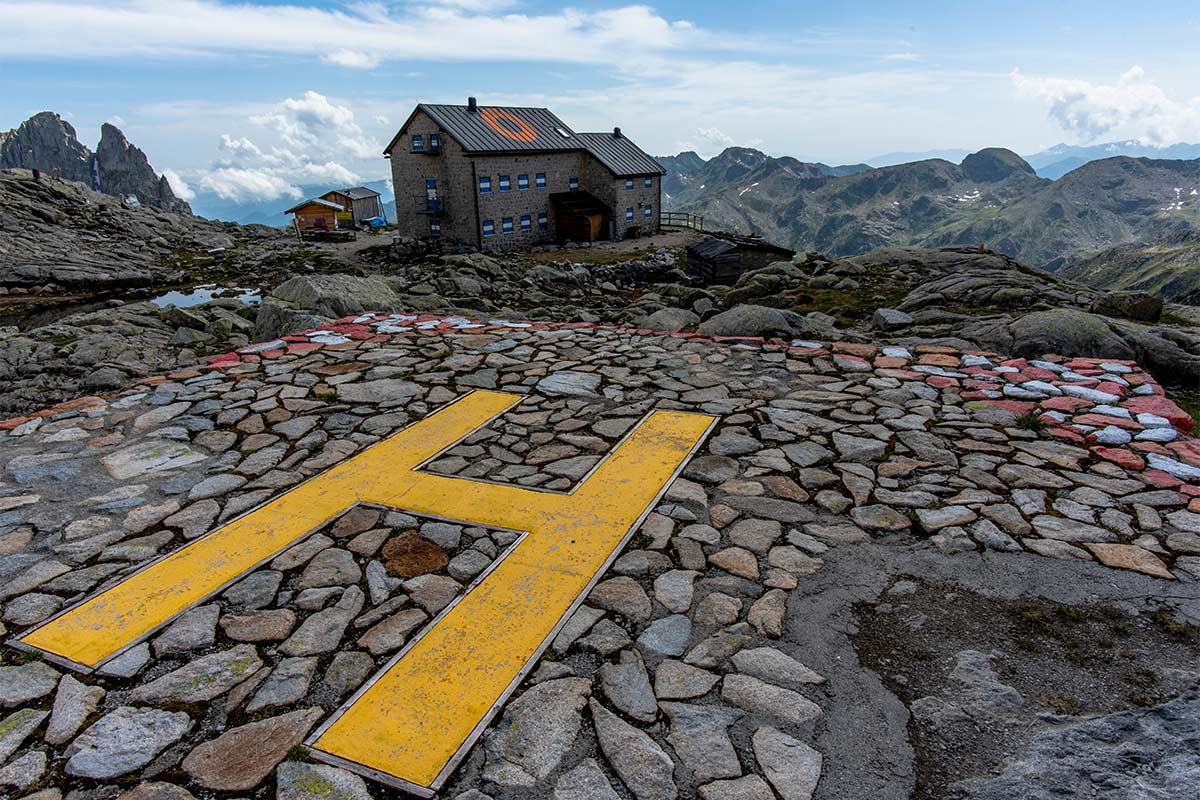
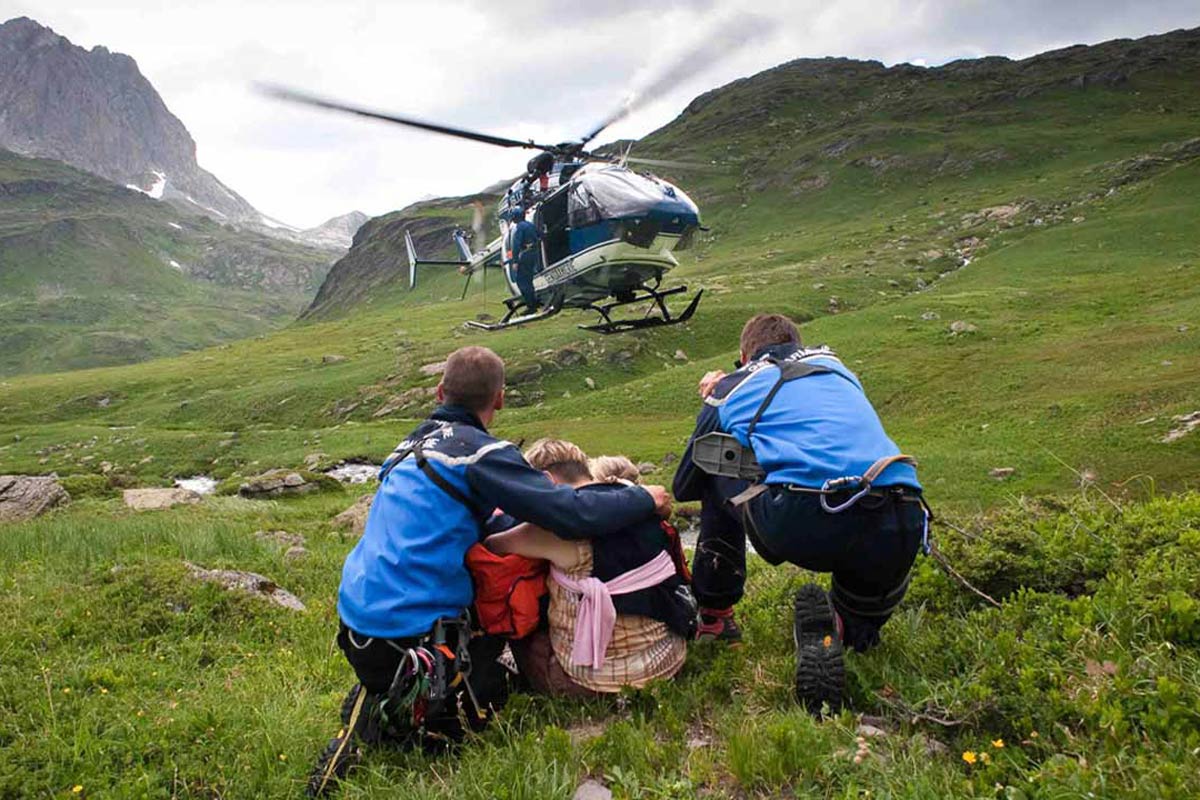
Over the past decade, Mont Blanc has been subject to significant overcrowding and numerous reports of uncivil behaviour. In the summer of 2018, and not for the first time, French authorities decided to placed temporary access restrictions on the mountain. This was in reaction to the increase in waste being left behind, a rise in the deployment of rescue services to come to the aid of ill-prepared visitors, overcrowding of the huts; and the fact that Vallot FFCAM hut – strictly reserved for emergency purposes – was being used as accommodation. To compound matters, sometimes this service was sold by rogue travel operators.
In 2019. stakeholders – including FFCAM, mountain guide associations and local authorities – came together to draft a solution, that was implemented in 2020. Measures included: a restriction on setting up bivouac camps except in a defined area near the Tête Rousse hut; if climbing the normal route making it mandatory to book staying in the Goûter Hut (the highest accommodation hut on Mont Blanc) or Tête Rousse hut ; or signing a sworn declaration to complete the climb in one day. Further regulations stated the need to bring proper equipment which would be monitored by a « White Brigade ».
Parallel to the overcrowding and increase in unprepared people visiting the mountain, was the increase in threats posed by climate change. This further intensified tensions among stakeholders. Significant media attention covered the risk of avalanches or a glacier collapse. Studies addressed the most dangerous times of the day to climb and specifically when to best traverse the Goûter ridge (Grand couloir du Goûter).
This led to a different set of tensions, between those concerned about a threat to free access to mountaineering culture of risk and those wanting to see more stringent restrictions. A statement was released on the subject last summer. As a consequence some guides pulled out, huts closed and debates raged.
The situation remains delicate. A balancing act is needed to consider the environmental factors, the rise in accidents, safety aspects, role of rescue services and arguments about preserving the guiding principles of free access and an individual’s own risk management. What has been proved so far is that without collaboration between the different stakeholders, without constructive dialogue and maintaining strong relationships this will not be possible. The situation on Mont Blanc is to be followed carefully.
During May’s UIAA spring meetings in Leeds, a special workshop was held to discuss several different access case studies from around the world. Over the coming weeks, the UIAA will share a number of these compelling stories.
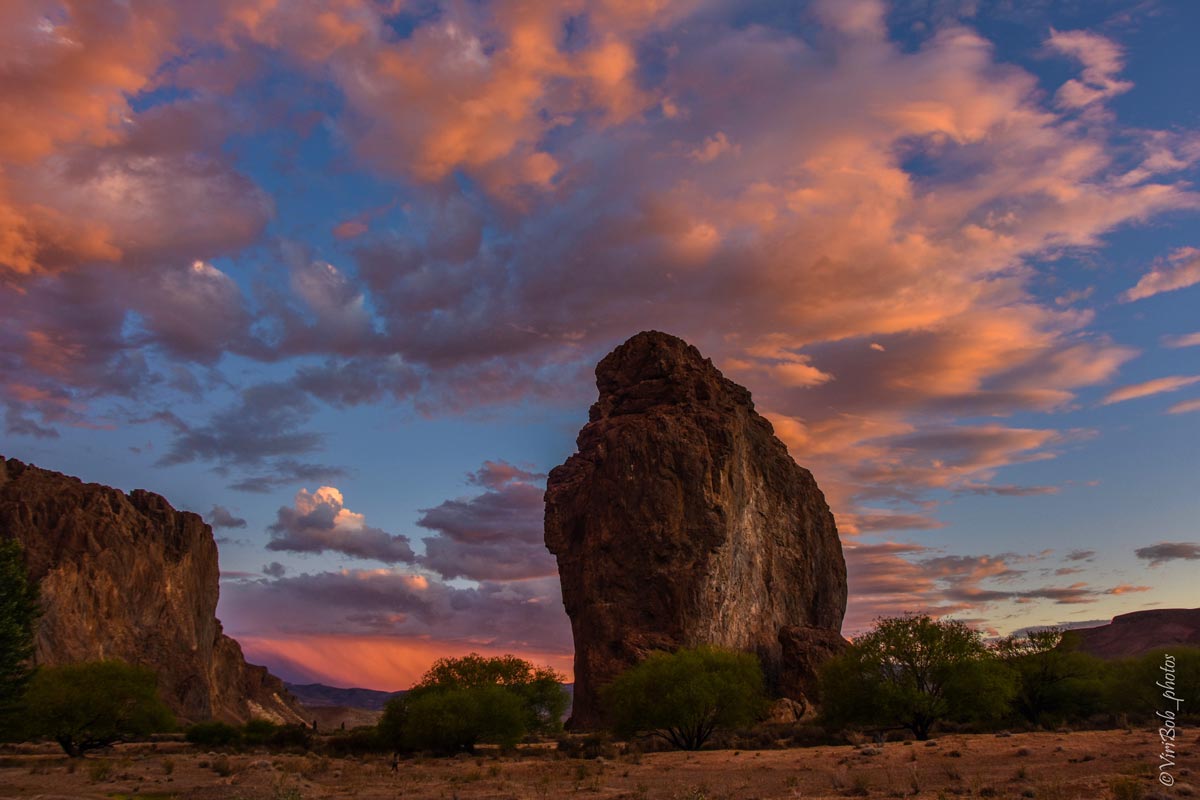
The first focuses on the Piedra Parada rock formation and nearby canyon in the Chabut province of Argentina. Martin Lascano, UIAA Executive Board member, gave the talk based on work conducted by Acceso PanAm and Federación Argentina de Ski y Andinismo (FASA).
Piedra Parada has been a Protected Natural Area of Chabut, Patagonia, Argentina, since 2006. It has a fragile ecosystem home to more than a hundred different types of bird (30% of species are considered vulnerable) and varies species of protected mammals.
The distinctive rock formation is located near a 3km long canyon offering stunning big wall climbing with over 35 sport climbing and multi-pitch sectors. The area offers easy access and places to camp.
This attractiveness has led to some issues and challenges. The first recorded climbing in the region was as recently as 1999. Since it was chosen as a venue on the Petzl RocTrip in 2012, the location’s popularity has grown. Piedra Parada has hosted annual youth events (organised by Club Andino Esquel and FASA) since 2014. Fewer than 200 people were visiting each year in the early 2000s, numbers which today stand at over 4000.
Problems with increased visitor numbers has sometimes led to safety issues with too many people on the walls at the same time as well as an increase in trash and human waste which has contributed to contamination of water and soil. And all of this against was backdrop of there being no regulations in place and little understanding of ‘leave no trace’ guidelines or education.
The initial reaction from the provincial government was quite typical of the region. A park ranger was hired who proposed to prohibit access and climbing at Piedra Parada. These measures were deemed likely to be unsuccessful and counterproductive, causing resentment and leading a number of people to climb without permission. As a response, Access Panam, FASA and the local climbing club, Club Andino Esquel, worked towards a solution which would appease both the provincial government and climbers and most significantly ensure the conservation of the area.
Acceso PanAm, an organisation whose mission is to protect access to climbing and mountaineering areas in Latin America while promoting their conservation, lead the process. The solution was broken into three phases: human waste management treatment, climber and visitor education and devising new regulations.
One of the significant first steps was the construction of a dry toilet to separate urine and excrement. This relatively low cost and low maintenance solution protects groundwater, reduces bad odours and ensures faecal matter is dried, composted and does not contaminate.
Since the new solutions have been in place, the situation has improved with climbers having the tools and knowledge at their disposal to be more considerate visitors and the local authorities proving more flexible in terms of the regulations imposed. Such a model will be deployed in other areas of Argentina and South America.
At the same time, the relationship between the authorities of the Provincial Park, the institutions involved and the climbers themselves has strengthened. Today they all work in coordination and with the same objective: to protect the area so that visitors can enjoy it with minimal impact.
This Working Group is supporting a study by the British Mountain Medicine Society called the ‘Lucky Jim Project’. It raises the question, what processes exist for reporting accidents, incidents and near misses in a mountain environment? The UIAA Working Group will be able to use the results of the study to support some of its immediate projects and indeed to shape its priorities.
The British Mountain Medicine Society study introduces the scenario of someone planning their next adventure in the mountains and to an area they are not familiar with. In such an instance, a resource of the most recent reports of accidents and near misses with some analysis on how those accidents could be prevented would be a precious tool.
Many countries around the world have databases for accidents and near misses, but there is wide variation in the data collected. These databases operate independently and are sometimes not publicly available (e.g. restricted to personnel within a mountain rescue organisation). There is also no international ‘collation’ or sharing of these incredible resources. In fact it is not even clear which countries have accident reporting databases.
The first step to collating international data on accidents and near misses, is to establish what already exists. That is the aim of the ‘Lucky Jim’ research project (named after Dr Jim Milledge, the ‘father of mountain medicine’ and a former UIAA Medical Commission member).
If you know about an accident/near miss reporting database/system in your country/region, please take five minutes to complete this questionnaire and contribute to the working being undertaken by the UIAA and organisations like the British Mountain Medicine Society to save lives in the mountains.
For a significant period, the UIAA has sought to create an international database of accidents and incidents (‘near misses’) in the mountains. A considerable amount of time and effort has been dedicated by a number of individuals from UIAA Commissions and UIAA member associations. However the project, partly due to the Covid-19 pandemic, has stalled and with the desire to offer the climbing and mountaineering community greater information on such an important topic, the UIAA has formed a Working Group to oversee and ensure the delivery and future continuation of the project.
The UIAA’s aim is to create an accident and incident platform (database) to:
Facilitate the exchange and compilation of data about accidents and incidents in climbing and mountaineering worldwide, in support of risk management and accident prevention
Support and encourage member federations to develop and implement compatible accident and incident reporting systems, in order to get more and better data on climbing and mountaineering accidents and their causes
Support the safety related work of UIAA Commissions by compiling accident and incident data from national reporting systems
The immediate aim of the Working Group (in order of execution) is to:
Create an overview of pre-existing work on accident reporting and analyses of accident reports, including the reports produced by the Mountaineering Commission since 2008
Compile information about existing, national systems and processes for accident and incident reporting relating to climbing and mountaineering; including information on their uptake and how they work; the data and information they are able to provide.
Develop UIAA recommendations on accident reporting, including recommendations on common parameters and vocabularies, design of reporting forms and mobile apps, how to establish and operate accident reporting systems for federations who do not already have such systems, and how to communicate data and analysis results. The UIAA recommendations could be in the form of specific advice on particular topics, a best practice document, or some level of standardisation.
Produce information papers on trends, causes, and other characteristics of climbing and mountaineering accidents, based on data from the national reporting systems that exist.
Establish agreements on exchange of information from reporting systems.
The work will involve experts from the following UIAA Commissions: Medical, Mountaineering, Safety and Training.
UIAA Management Committee member Stein Tronstad (President of the Norwegian Climbing Federation), is one of the working group leads, and explains the importance of the project:
“As much as we enjoy climbing and mountaineering, we must acknowledge the risks and the losses inflicted by accidents. To reduce those losses it is important that we learn from the accidents and incidents that do happen, and that is why good and broad accident reporting is vital. With this work we are hoping to inspire best practices among our member federations, and to widely convey what can be learned from the many good reporting systems that already exist.”
Any UIAA members interested in supporting the project are invited to contact Carol Kahoun.
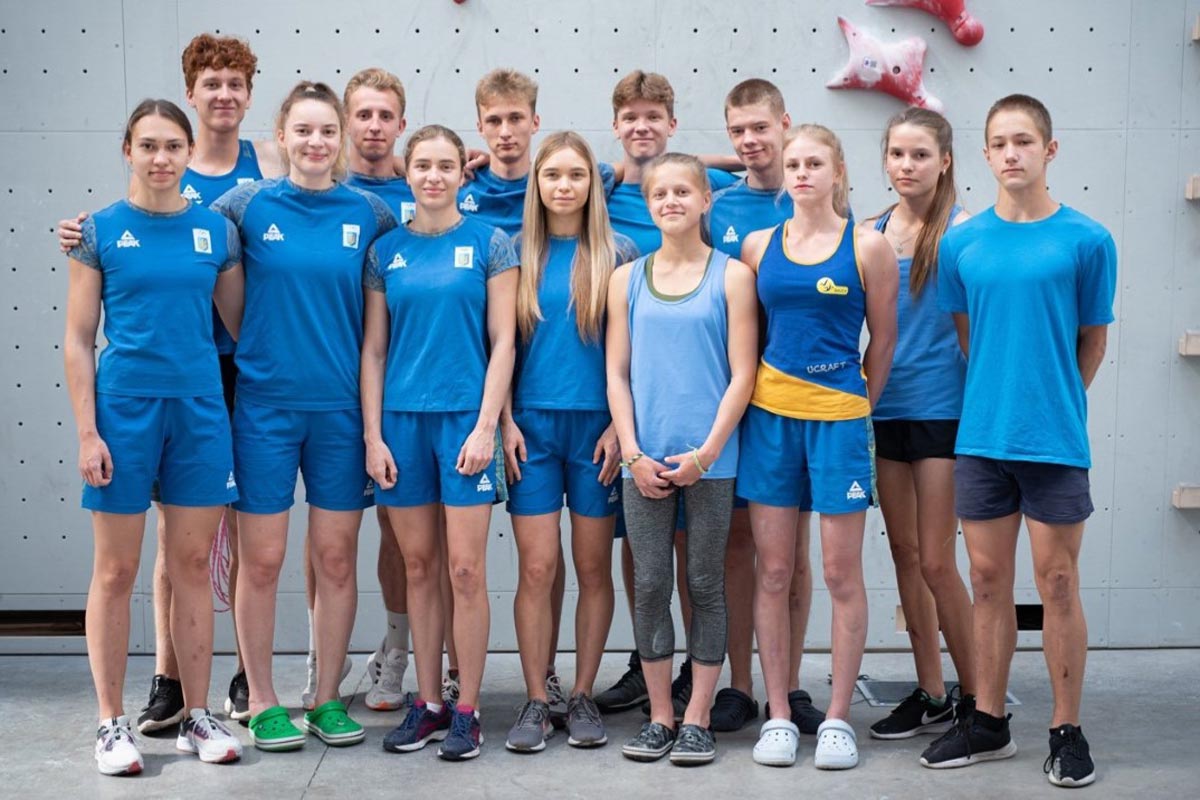
Promoting and encouraging solidarity between its member associations has always been a core principle of the UIAA. A recent example has been the support that the Polish Mountaineering Association (PZA) has offered Ukrainian climbers ever since the Russian invasion of Ukraine.
Earlier this year, the PZA created a PZA4UA project which offered the following:
Accommodation for more than 30 climbers from Ukraine.
Surveys to gather information on the needs of Ukrainian climbers.
Professional training and coaching support and the opportunity to train on local climbing walls.
Funding of participation in international competitions as well as in Polish national competitions.
Emergency assistance for climbers. Basic medical assistance, equipment and emergency relief.
In doing so the PZA has helped raise awareness about its project through a dedicated website (translated into English), across social media and through fundraising initiatives.
The project is based on the following objectives:
Raising funds to help real people – young climbers from Ukraine.
Supporting a number of minors staying in Poland without family or relatives.
Thanks to its initiatives, climbers can win medals for their country.
Thanks to the campaign, climbers can continue training despite leaving their home country and prepare for the Olympics.
Piotr Pustelnik, President of the Polish Mountaineering Association, presents details about his federation’s project at the 2022 GA. Photo: UIAA/Amy Liu
What can UIAA member associations do to support?
Financial support for climbers. It is currently funded by the Polish Mountaineering Association’s limited resources. Support crowdfunding campaign. Every donation is a chance for these young climbers to go to the next international competition. Promotion of the action. Help promote the crowdfunding campaign to reach a wider audience. Information to clubs belonging to member federations. Spreading the word about the campaign. UIAA members and climbing websites can share it on their channels.
Further reading. Download the PZA’s information guide to its project here.
Piotr Pustelnik, President of the PZA, speaking at the GA, explained:
“This project has been done with the goodwill of many people. These young Ukrainian climbers are living in Poland and have been able to train and compete in a number of competitions. They have achieved many sporting successes. These brave children have a substitute to normality although in reality it is a long way to normal. We will continue to help as our moral obligation and in face of human tragedies. We ask UIAA member associations to support us in efforts to help our young friends from Ukraine.”
His full speech can be viewed here (14:41 – 17:32)
Since 2012, the Petzl Foundation, a longstanding partner of the UIAA, has funded research into mountain sport accidents. Its long-term aim is to improve prevention. Due to the lack of accurate information and the absence of communication, several social science research laboratories have joined forces to launch an international study related to mountain sport accidents.
As reported at the recent UIAA General Assembly, the UIAA is also reinforcing its commitment to the study and collation of material on accidents and near misses.
The Petzl Foundation has closely supported a doctoral thesis on the Accidentology of Mountain Sports, which was recently finalised after ten years of research on mountain accidentology with the University of Lyon 1. A summary of the thesis’ findings can be found here and are partially detailed below.
Doctoral thesis on the Accidentology of Mountain Sports: the primary results
The past three years of research, led by Maud Vanpoulle come at the end of ten years of collaboration on mountain accidentology with the L-ViS laboratory of the University of Lyon 1.
The first objective of this research was to refine our understanding of the inherent risks found in mountaineering and alpine ski touring in order to develop appropriate risk management techniques based on scientific knowledge. The second objective was to translate the primary research findings into preventive recommendations for practitioners, supervisors and technical training managers.
This research has made it possible to identify the recurring circumstances at the origin of accidents in mountaineering and ski touring, the contributing factors to an accident situation, and the profiles of the most affected practitioners. The researcher has also shed light on the different relationships to risk held by mountaineers by identifying three dimensions around which they position themselves to give meaning to their commitment to the mountains:
the acceptance of and the value of risk;
a feeling of vulnerability linked to doubts about their ability to manage the situation;
sense of control and a willingness to manage risk.
2018-2021 : 3 years of scientific research on mountain sports accidentology
Since December 2018, Maud Vanpoulle has been hosted at the Petzl Foundation to complete her PhD on mountaineering, climbing and ski touring accidents in order to better understand them. The objective is to refine the understanding of the processes that lead to accidents in mountain practices, in terms of typical scenarios, recurring risk factors and victim profiles, to identify risk prevention measures.
The study has three main goals:
Quantitative analysis of mountain rescue data, centralized by the National Mountain Safety Observation System (SNOSM). SNOSM data is currently the biggest data source in France for mountain incidents. The goal of the study is to identify the most risky activities, victim profiles, recurring circumstances of accidents and their location. This statistical picture must bring solid foundations for realistic preventive measures.
Qualitative analysis of SERAC’s incident and accident reports and encouraging people to share their experiences. The mountain community can use the SERAC database to share their own experiences and read about those of others. SERAC is a tool to learn and reflect about past events which mountain federations and professionals are now starting to use. The goal now is to further analyze the reports in order to base preventive measures and training on realistic detailed situations.
To better understand the role of conscious engagement in a risky situation. Accidents often happen to experienced mountaineers who are able to analyze the risks they are taking. Through qualitative interviews, we examine individual perceptions and acceptance of risk, as well as personality-types that may influence their engagement in a situation, even though the risks have been partially or completely identified.
Over 250 volunteers support the UIAA whether as part of its Executive Board, Management Committee or Commissions. Gergo Santha (MHSSZ, Hungary) has served the UIAA for the past year supporting aspects of the federation’s work in training. He also currently acts as Head of Training within the Hungarian Mountaineering and Sport Climbing Federation.
Gergo Santha’s relationship with the UIAA began in his home city of Budapest, when he was introduced to Training Panel members at a UIAA Mountaineering Commission meeting in 2018.
Having made a presentation about the federation’s future goals within Training, he was invited to join the Mountaineering Commission by Pavlos Georgiades (Vice President of the Mountaineering Commission and President of the Youth Commission).
Prior to volunteering, Gergo was familiar with much of the UIAA’s work, especially its internationally renowned Training Panel (as of October 2022, a Commission).
With a professional background in chemical engineering and currently employed within the IT industry, Gergo also has an extensive climbing background which provided him with knowledge of both the UIAA Safety Label, as well as the fundamental values and principles of mountain sports as outlined in the Tyrol Declaration.
Gergo has been an active climber for over 30 years. Preferring the more adventurous aspects of climbing, he is an active alpine and winter climber, having climbed extensively in the Bernese Oberland, Scotland, as well opening two new routes on the Eiger.
This background, and his thirst for keeping up with the latest techniques and method, along with a particular interest in experiments and tests, have helped him lend his expertise to the Commission.
His early years within the UIAA saw him support up the work of the Mountaineering Commission and now the Training Commission, and in 2022 he conducted an inspection visit to Denmark on behalf of the latter. As part of his role within the Hungarian Federation, Gergo is currently involved in the implementation of a modular training scheme.
Gergo’s passion for the work of the UIAA means he commits as much time as is needed to whatever project he is involved with.
He views the work of the Commission as essential given the ever-changing nature of climbing. With a myriad of information – often misleading – readily available on the internet, Gergo believes the role of the UIAA is more important than ever.
“Climbing techniques and methods are in constant change,” he says. “What was true in the past is not necessarily true in the present. By checking sources such as Instagram and Facebook can lead to confusion as to which technique is correct, which is why the Training Commission (and UIAA Safety Commission), with its great expertise is able to help answer these questions.”
The 2022 UIAA – International Climbing and Mountaineering Federation – General Assembly (GA) was held in Banff, Canada on Saturday 29 October and hosted by the Alpine Club of Canada (ACC). It marked the UIAA’s 82nd GA and the third in Banff following events in 1988 and 2006.
A recap of the key decisions are covered below. A more comprehensive review, including information from panel discussions and the climate change summit, will be made available in the next UIAA monthly newsletter.
PLENARY SESSION
Over a hundred delegates from 40 different countries and as many different international climbing organisations attended the first in-person UIAA GA since 2019.
Among the invited guests were: former UIAA President Frits Vrijlandt; Marco Scolaris, President of the International Federation of Sport Climbing (IFSC); Jan Bloudek representing the European Union of Mountaineering Associations (EUMA); Stéphane Lozach’meur from The Petzl Foundation; Pier Giorgio Oliveti, representing the Club Alpino Italiano (CAI), and François Masse from Parks Canada. The UIAA also received a message from International Olympic Committee (IOC) President Thomas Bach:
“The UIAA has been at the forefront to promote responsible mountaineering practises. From protecting the precious alpine environments, to advancing sustainable mountaineering sports like ice climbing, to raising young people with a respect for nature, you have led the way to demonstrate how the sporting community can contribute to promote the Olympic values.”
Peter Muir, able to lead in his first in-person GA as President, opened the Plenary Session. Muir detailed the progress of the UIAA Strategic Plan, noting the closer collaboration between the UIAA Management Committee and Commissions and confirmed the recent decision to create two new UIAA Commissions – Legal Affairs and Training. Muir also highlighted the UIAA’s ambition to diversify its membership (further details below).
In a special vote, Club Alpino Italiano, a founding member of the UIAA, was re-elected as a full member. Its membership will take immediate effect on completion of the submission of its membership requirements. Once this process is complete, it will mark a significant development which sees one of the world’s most preeminent Alpine clubs return to the UIAA family.
There were no Executive Board (EB) elections meaning the composition of the seven-strong UIAA EB remains the same.
In terms of the UIAA Management Committee elections:
Josef Klenner (DAV, Germany) was re-elected as a Largest Federation Representative
Young Hoon Oh (KAF, Korea) was elected as Continental Representative for Asia, replacing Christine Pae (KAF) whose term came to an end.
Joachim Driessen (NKBV, Netherlands) was re-elected as a General Representative
In addition to the return of CAI, the UIAA welcomed three new member federations. This included the election of two new full members from South America: Ecuador: Federacion Ecuatoriana de Andinismo y Escalada Peru: Federación Deportiva Peruana de Escalada
A new associate member from India was also elected: India: Atal Bihari Vajpayee Institute of Mountaineering and Allied Sports (ABVIMAS)
From 1 January, 2023, the UIAA will represent 94 member organisations from 69 countries on six continents. They are comprised of 69 full members, one unit member, 18 associate members and six international observer members.
The election of the two full new members is particularly significant, extending the UIAA’s presence in Central and South America to seven countries.
Both the UIAA budget results for 2022 and forecast for 2023 were approved. The GA also agreed to waive the 2022 membership fee for the Ukrainian Mountaineering and Climbing Federation. Piotr Pustelnik, President of the Polish Mountaineering Association, also detailed the initiatives his federation has set up to support Ukrainian youth climbers. Further details, including on how to support this project, will be provided soon.
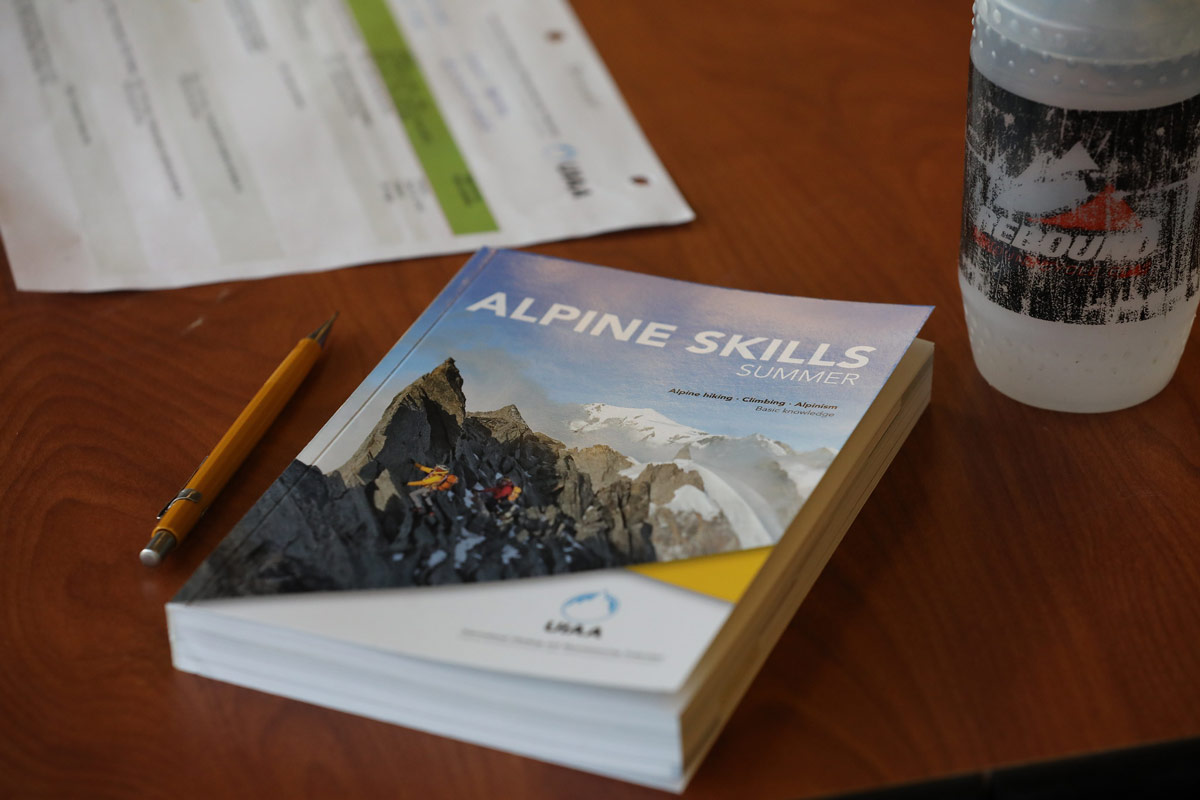
Three panel discussions addressed principally the progress the UIAA Commissions are making in view of the federation’s main projects and alignment with current Strategic Plan, a topic further addressed by UIAA General Secretary Lode Beckers. During the GA, the UIAA also presented the new edition of the Alpine Summer Skills Handbook, produced in partnership with The Petzl Foundation.
Further details on the focus of each Commission and Strategic Plan progress will be provided in the extended GA review.
CLIMATE CHANGE WORKSHOP
The UIAA is committed to helping combat the impact of climate change. Earlier this year the UIAA reinforced this commitment by creating a Climate Change Taskforce. Its brief can be found here. Furthermore the federation recently signed the UNFCCC Sports for Climate Action Declaration Commitment Letter. See letter here.
During the Workshop two climate change case studies were detailed – François Masse presented information on the Abbot Pass Refuge Cabin, the first major mountain site in Canada lost to climate change, and then Graham McDowell from the University of Calgary, gave a presentation titled: ‘The implications of warmer winters for ice climbing guides. A case study from the Mount Washington Valley, USA’. This research is supported by the American Alpine Club (AAC).
The World Café format workshop aimed at providing an opportunity to discuss topics related to sustainability and climate change in an informal format, to learn and to better understand needs and expectations of member federations.
It debated a number of questions including:
What is the difference between ‘climate change adaptation’ and ‘climate change mitigation’?
Where do the UIAA and member federations see biggest changes/threats in practicing mountaineering activities now and in the future?
How has the universe of climbing and mountaineering adapted to climate change?
What opportunities are there for mountaineers, if any, through the climate changing?
International and national climbing and mountaineering organisations who already calculate or who plan to calculate their carbon footprint, findings, methodology.
What is expected from the UIAA and member federations in terms of climate action?
Are members supporting UIAA’s commitments to the UNFCCC S4CA Framework?
What challenges do the UIAA and member federations face when elaborating a climate action plan?
How could member federations specifically avoid and reduce their footprint in regard to mountain huts?
Climbing and outdoor recreation involves lots of travel. How can it be avoided and/or reduced in a climber’s role as (a) a mountaineer; (b) an event organiser; (c) a federation delegate; (d) an athlete?
Meetings and competitions on international and national level and related travel
Further information on the findings will be released in the extended version of this release.
MOUNTAIN PROTECTION AWARD CEREMONY
During a ceremony held shortly after the General Assembly, Establishment of Self-Managed Climbing Parks project by Asociación 7a Escalada, Peru, was named as the ninth winner of the UIAA Mountain Protection Award (MPA).
Main photo: (l-r), Willy Montenegro – UIAA MC Continental Representative for South America; Carolina Adler, UIAA Mountain Protection Commission President; Mary Sanseverino, UIAA Mountain Protection Commission and MPA Assessment Lead; Kimberly Schwartz from Asociación 7a Escalada. Credit: UIAA/Amy Liu
In doing so it became the first project from South America to win the Award. A full press release can be found here. The event was livestreamed and featured contributions from the 2020-21 MPA winner Giroparchi Nature Trail (who detailed progress made since winning last year’s Award), the Alpine Club of Canada (who provided details on their comprehensive State of the Mountains report) and MPA main partner Bally Peak Outlook Foundation (who highlighted the expansion of its Peak Outlook clean-up programmes to areas beyond the Himalaya).
CULTURAL EVENTS
Banff National Park, situated in the heart of Canada’s Rocky Mountains and is the birthplace of the Canadian national park system created in 1887. A number of cultural programmes are being held in parallel with the event, including the famous Banff Mountain Film and Book Festival and a Cultural Programme dedicated to Canada’s indigenous peoples and their role in early mountaineering in the Canadian Rockies.
Much has been written about the “early explorations” of Canada’s Rocky Mountains – and for the most part, this romantic history is dominated by settler cultures: Europeans, Americans, and some early Canadians. Often overlooked is just how much of Canada’s early mountaineering achievements were dependent on local Indigenous knowledge, labour, and participation.
The General Assembly programme provided some opportunities for UIAA delegates to learn and understand more about these issues. This included a special welcome ceremony. Further reading here and to be included in extended GA review.
The GA host was Grant Statham, the recipient of the 2022 Summit of Excellence Award. The Award celebrates long-term contributions, service, and demonstrated impact within the mountain culture community in Canada by an individual or group from across the country.
During the GA, a minute’s silence was held to remember those who lost their lives in the mountains over the past few years. A special tribute was made to Larry Shiu – Chinese Taipei Mountaineering Association – who died recently in a climbing accident in Taiwan.
GENERAL ASSEMBLY IN 2023
Next year’s UIAA General Assembly will be held in Trabzon, Turkey on Saturday 21 October. It will be hosted by the Turkish Mountaineering Federation (TDF).
The UIAA thanks the ACC, notably Isabelle Daigneault (President), Ken Hewitt (Project Manager, former ACC President) and Carine Salvy (Executive Director), for their hospitality and excellent hosting of the event.
A photo library from the General Assembly can be found here. Photos in this article and in the library courtesy of Amy Liu.
Main photo: Peter Muir, UIAA President and Pier Giorgio Oliveti, representating CAI
As the ever growing reality of climate change continues to impact the world’s mountains, one man’s extraordinary achievement has helped highlight the issue and inspired others to take action.
After just 78 days, enduring deteriorating conditions, aching muscles and sleepless nights, Roeland van Oss, a UIAGM/IFMGA Mountain and Ski Guide and expedition leader stood atop Barre des Ecrins having achieved the remarkable feat of climbing all 82 of the UIAA-recognised 4000m peaks in the Alps. A total of 100,000m of elevation gain.
In the process he became one of only a handful of people and the first Dutchman to accomplish the impressive challenge.
van Oss developed his Climbing4Climate project with the aim of drawing attention to the threat posed by climate change. A 2019 International Panel on Climate Change (IPCC) report, the first for over 20 years, revealed just how stark the threat to the mountain environment has become.
van Oss undertook his challenge in a climate neutral way; that is without the use of cable cars or motorised transport. He cycled more than 1,300km and climbed and walked over 600km.
Top of Mont Blanc. Credit: Roeland van Oss
It was his own professional experience that led to his concept. “As a mountain guide and climber, I see more and more that the Alps are having a hard time. Glaciers are melting, rock towers crumble, seasons change, droughts and floods alternate. To draw attention to the climate in combination with my passion for the mountains, I came up with the Climbing4Climate project.”
On May 27, van Oss began in Morteratsch, Switzerland. At 4049m, Piz Bernina is the highest mountain in the Eastern Alps and its mountain range famed for its association with the Bernina Express railway journey, one of the most scenic in the world.
Despite this idyllic backdrop, it quickly became apparent how difficult the challenge would become.
A cold and snowy night meant an overnight stay at the Marco Rosso hut and the following day’s climbing took eight hours, twice as long as expected.
Record summer temperatures made conditions difficult, with many routes closed owing to rock and ice fall.
Approaching The Konkordia Hut. Credit: Roeland van Oss
Along the way, van Oss showcased his journey across social media, where he gave people the opportunity to participate in the project by making their own climate oriented pledges. As a result, 140 people helped save more than 16,000kg of CO2.
He was forced to alter his planned route, so cycled to Chamonix earlier than planned, where he climbed the 31 of the 4000m mountains around Mont Blanc.
It was in the Chamonix region where van Oss saw most acutely the issues relating to receding glaciers and climate change.
“It was already getting warm when I started that area, so much rock was loose and it was definitely the worst I have ever seen it. Other areas were also affected, but because the rock is a bit more stable the effects don’t show as quickly. For instance, I climbed the Matterhorn solo without using crampons which is shocking, as in normal seasons the final 100-150m is always covered in snow and ice but the mountain was still climbable.”
van Oss describes one of the hardest days climbing as the traverse from Mischabeljoch bivak, over the Taschhorn (4491m), Dom (4545m), on to Dirruhorn and finally the campsite in Täsch. The seven 4000m peaks ensured it was long, tiring day.
The challenge provided a sober reminder of the issues relating to climate change as over the summer there were mud and rock slides in Valpelline, as well as the major collapse of a glacier in Marmolada, in the Dolomites.
Grimselpass by bike. Credit: Roeland van Oss
Following a bike ride of some 200km over the Col de Montgenèvre to Ailefroide, France, with mind and body weary, the end was in sight. On 12 August, the two final ascents of the Dome de Niege and Barre des Ecrins were complete and van Oss had made history.
The Dutchman seeks to underplay his personal achievements, preferring that the issue of climate change remains front and centre of people’s thoughts: “It was important that the expedition should not be about me, but about the climate, and about taking action ourselves. We can shout and point our fingers at the problem, but the solution only starts when we take action ourselves!”
More photos from Roeland’s initiative can be found here.
As part of its longstanding commitment to tackling climate change, the UIAA set up a dedicated taskforce earlier this year and recently signed the UNFCCC Sports for Climate Action Declaration Commitment Letter. Furthermore, a Climate Change Workshop will be held during the 2022 UIAA General Assembly, 29 October, and provide an opportunity to discuss topics related to sustainability and climate change in an informal format, to learn and to better understand needs and expectations of UIAA member federations.
About Roeland van Oss
Roeland van Oss is one of the few Dutch UIAGM/IFMGA Ski and Mountain Guides (the highest level of training within mountaineering ), expedition climber, inspirational speaker and MSc in management sciences. He lives much of the year in Chamonix (France) from where he works all over the Alps. Roeland has done many impressive climbs and expeditions all over the world. This project was supported by the NKBV, RAB, Switzerland Tourism, Julbo, OutdoorXL, Dynafit, Progress, LaPierre, de Groene Veterinair, PersonalPeaks.nl, SAC.
For more information: www.climbing4climate.com
All photos courtesy of Roeland van Oss. Main photo: Arête du Diable
The following article is a slight adaption from a speech given by the mayor of Chamonix, Éric Fournier, at August’s Chamonix Guides Festival. The below is a translation from the original version in French, which is planned to be published in Le Monde.
‘Mountains must remain a space of freedom in the face of the temptation to artificially secure everything’
The high temperatures and the drought that are raging this summer throughout France have had a strong impact on the high mountains. With temperatures above zero for several weeks at 4000m altitude, this environment is more affected than others by the effects of global warming.
In this context, the legitimate emotion aroused by tragic accidents inherent to the practice of high mountains has led in recent weeks to the temptation for more restrictive regulations for Alpinism, the introduction of a “permit to ascent” or even a “deposit” to benefit from mountain rescues.
As mountain professionals, elected officials, the French federation of alpine and mountain clubs (FFCAM), alpinism personalities, amateur alpinists, we call collectively to make the choice of responsibility, humility and freedom. These values were the basis for the inscription of Alpinism in UNESCO as an Intangible Cultural Heritage of Humanity in 2019.
It is in this spirit that Gérard Devouassoux, guide and 1st deputy mayor, founded the High Mountain Office (OHM) in Chamonix in 1972, the 50th anniversary of which is being celebrated, following a dark year which left 45 dead on the Mont Blanc range alone. “We must not repress, nor create any kind of obligation. On the contrary, it is necessary to inform about prevention, to put the knowledge of the professionals at the service of the “guide-less” practice, to give information on the punctual state of mountains on the difficulties of each ascent, on the evolution of the meteorological conditions.”
For 50 years, public authorities, mountain professionals, rescuers and scientists, alpine clubs and sports associations have been working together to better prevent accidents by informing, advising, guiding and training without ever falling into the regulating trap.
Throughout the Alps, certain normal access routes to the great emblematic peaks are now strongly discouraged. This does not mean the end of summer alpinism. Faced with climate change, mountain practitioners continue to adapt.
The guides observe, evaluate, advise and renew their offer to continue to offer unforgettable mountain experiences. Alpine clubs, sports associations and amateur alpinists are taking the same path of adaptation and accountability. Many beautiful expeditions remain practicable, sometimes requiring more technique, expertise and experience, while being accessible. Let’s trust those whose job is to assess the conditions every day and decide for the team, to guide on routes where the risk is not increased.
On the need to adapt, let’s not succumb to the communicational escalation to strike people’s minds and threaten the natural desire to explore. Mountains must remain a space of freedom in the face of the temptation of ‘everything safe’. The practice of alpinism cannot be subject to obtaining a permit in the French Alps, the cradle of this centuries-old discipline which has seen its protagonists, amateurs and professionals, shape and transmit a real cultural heritage, an art of to live fleetingly in a hostile nature, to clear a way there for the time for even a futile conquest, in freedom and in responsibility.
Let’s defend the current French rescue model. It is the nobility of our choice of society, of the social redistribution of its richness and the devotedness of each of its bodies, to allow everyone to be able to benefit from assistance in all circumstances in everyday life or leisure. No cautionary deposit nor authorisation, rather prevention, transmission and self-responsibility.
A risk-free society would no longer have any reason to form a body. To be able to accept the risk, to commit to face it, to tend to reduce it without ever completely taming it, such is the greatness of the the alpinist’s task.
Tribune co-signed on 29 August 2022
Éric Fournier: Mayor of Chamonix
Olivier Greber: President Compagnie des Guides de Chamonix
Bénédicte Cazanave: President Federation Française des Clubs Alpins et de Montagne
Christian Trommsdorff: President Groupe de Haute Montagne
Julien Bailly: President of La Chamoniarde prevention and mountain rescue company
Claude Eckhardt: Honorary Member, UIAA
Please note that further names may be added to the above list.