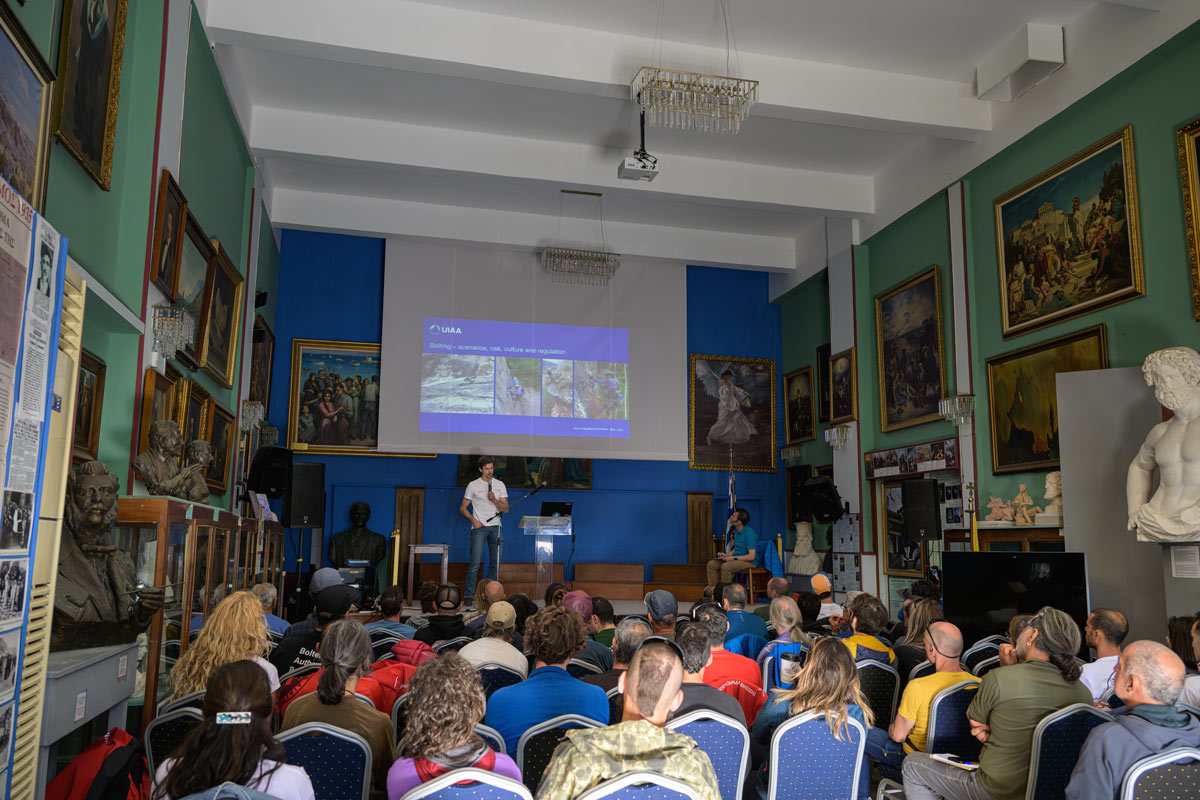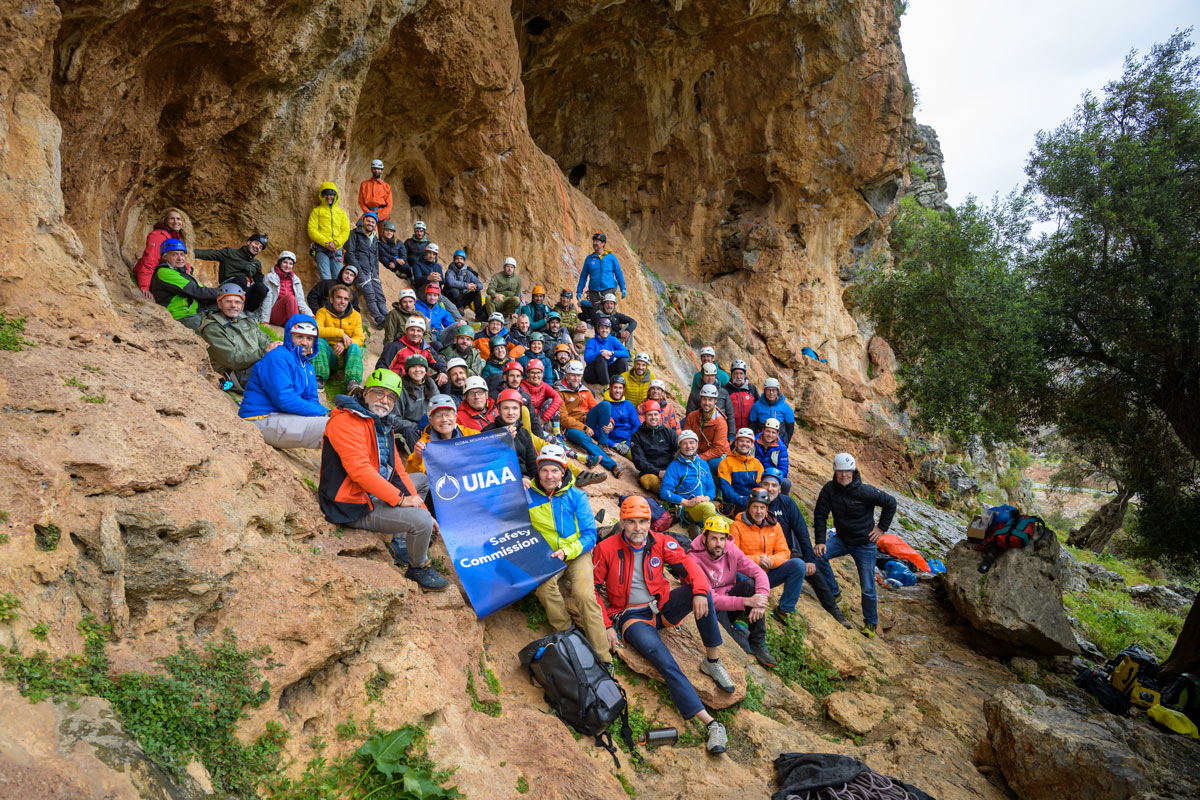
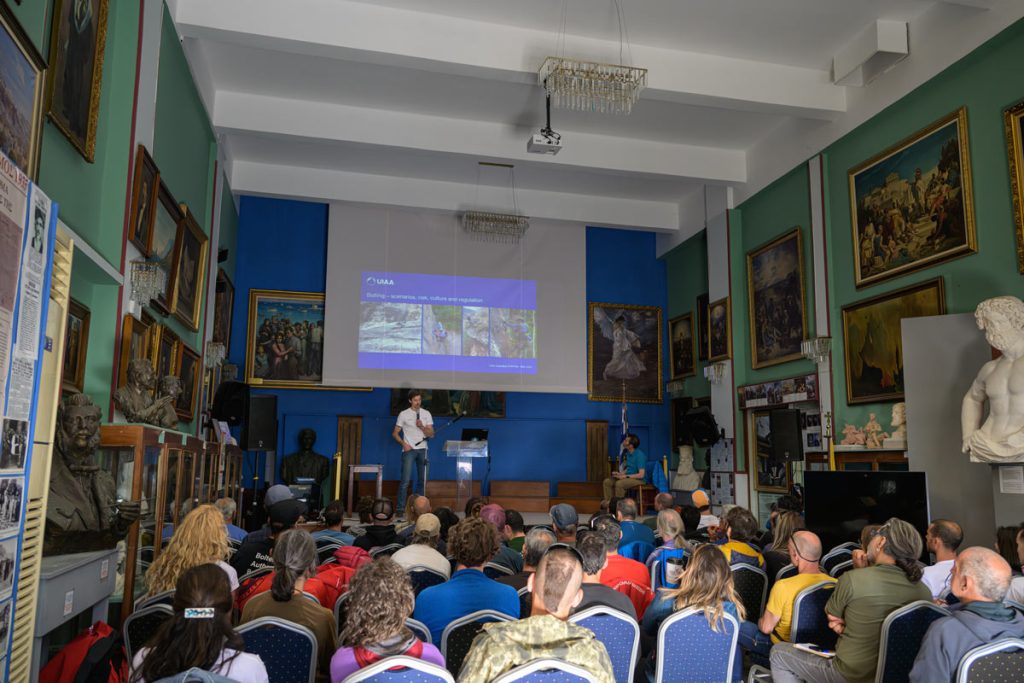
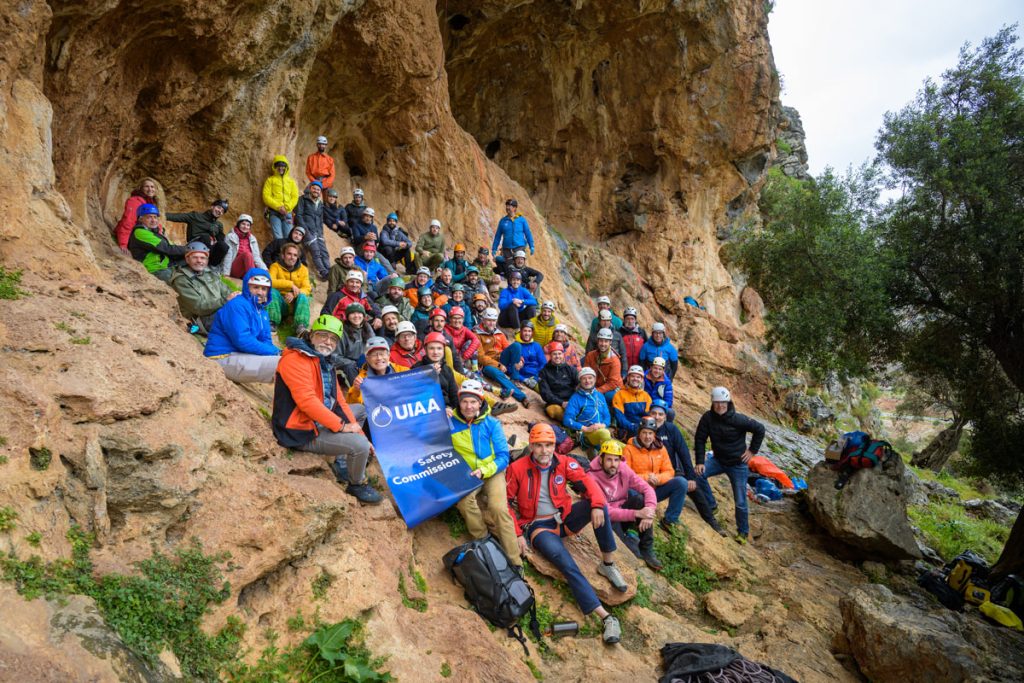
The UIAA Safety Commission hosted its annual meetings during the first week of May. They took place in Kalymnos, Greece and welcomed a total of 25 delegates from Safety Label holding manufacturers, 12 from accredited laboratories, 20 members of the Commission itself as well as a number of independent experts.
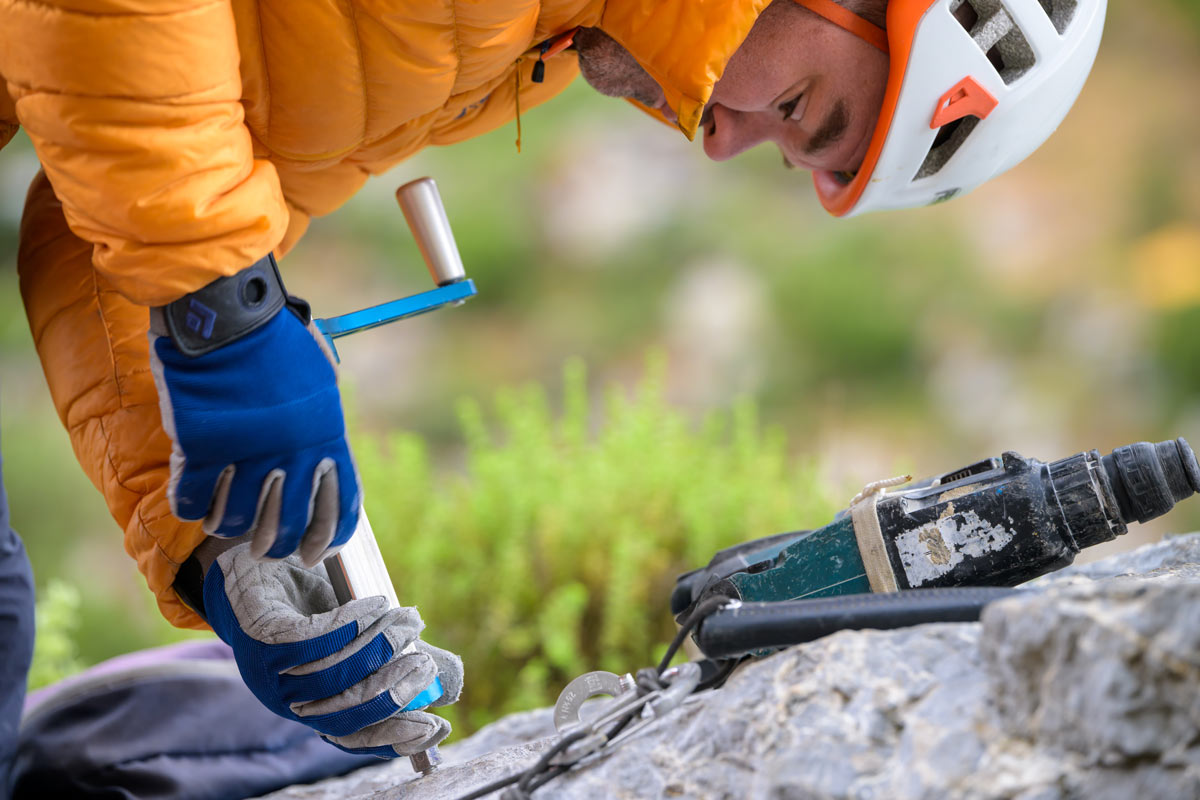
The meetings followed a very successful Crag Inspection and Rebolting Workshop which took place on the island. A dedicated report about these important sessions will be available shortly.
As the report testifies, the UIAA Safety Commission continues to deliver significant progress in the creation of new safety standards and pertinent revisions to existing ones.
UIAA Standards
Revisions – UIAA 105: Harnesses
A working group is currently revising UIAA 105 Harnesses to include a category specifically for rental use. Participants examined issues such as colour coding, user instructions and digital information systems including QR codes linking to fitting videos or safety guidance. Concerns were raised about how to distinguish rental-certified harnesses from standard consumer products without creating excessive labelling requirements. No final decision was taken, but the discussion highlighted the growing importance of ensuring inexperienced users receive clear and accessible safety information when using rental equipment.
Revision – UIAA 110: Static Ropes
Updates were approved following discussions around coatings, elongation reporting, mass testing and minimum strength requirements. The revision aims to clarify testing procedures while maintaining flexibility for laboratories already operating under related standards. Meanwhile, work continues on a broader revision of UIAA 107 Low Stretch Ropes, with a shift toward performance-based requirements rather than rigid diameter specifications.
New – UIAA 111: Helmets for Ski Mountaineers
SafeCom also voted to adopt a new standard for ski mountaineering helmets. Based on EN 18001:2025, the UIAA version introduces a stricter requirement by lowering the maximum transmitted impact force to 8 kN, consistent with the organisation’s approach to climbing helmets. The standard is available to view here.
Revision – UIAA 123: Progress on Rock Anchors
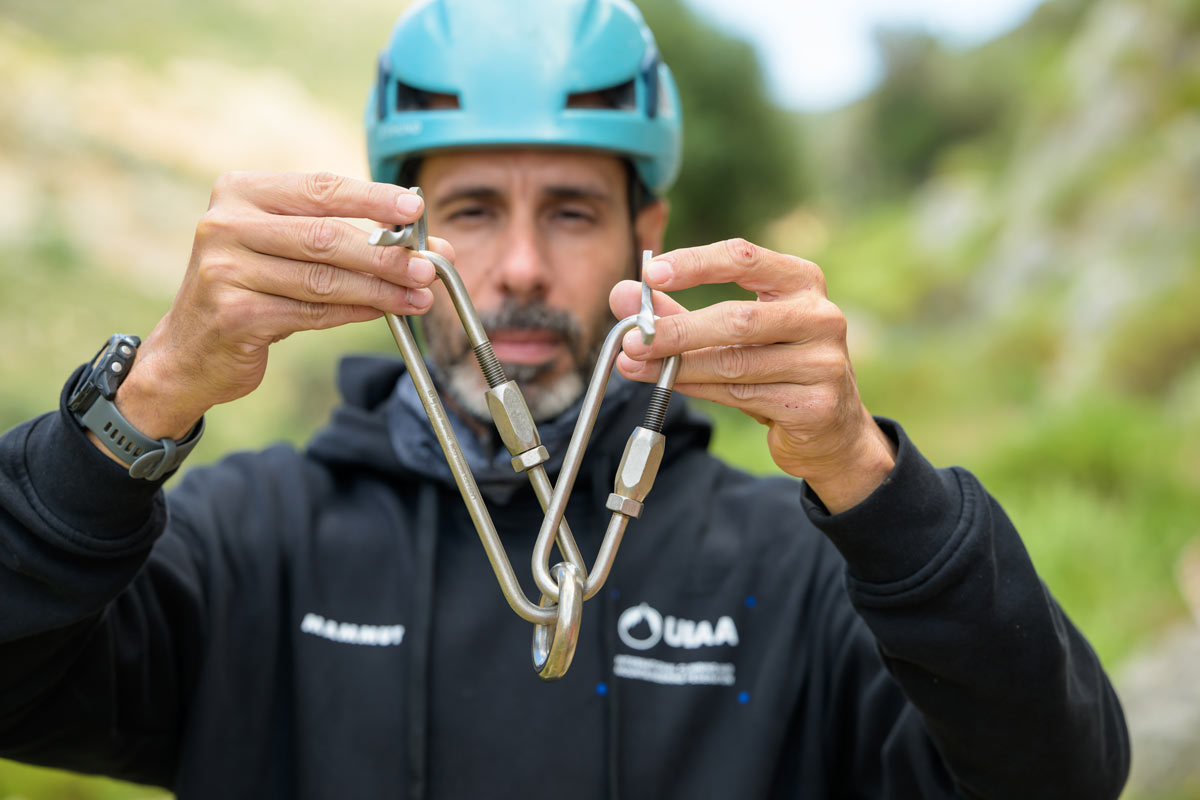
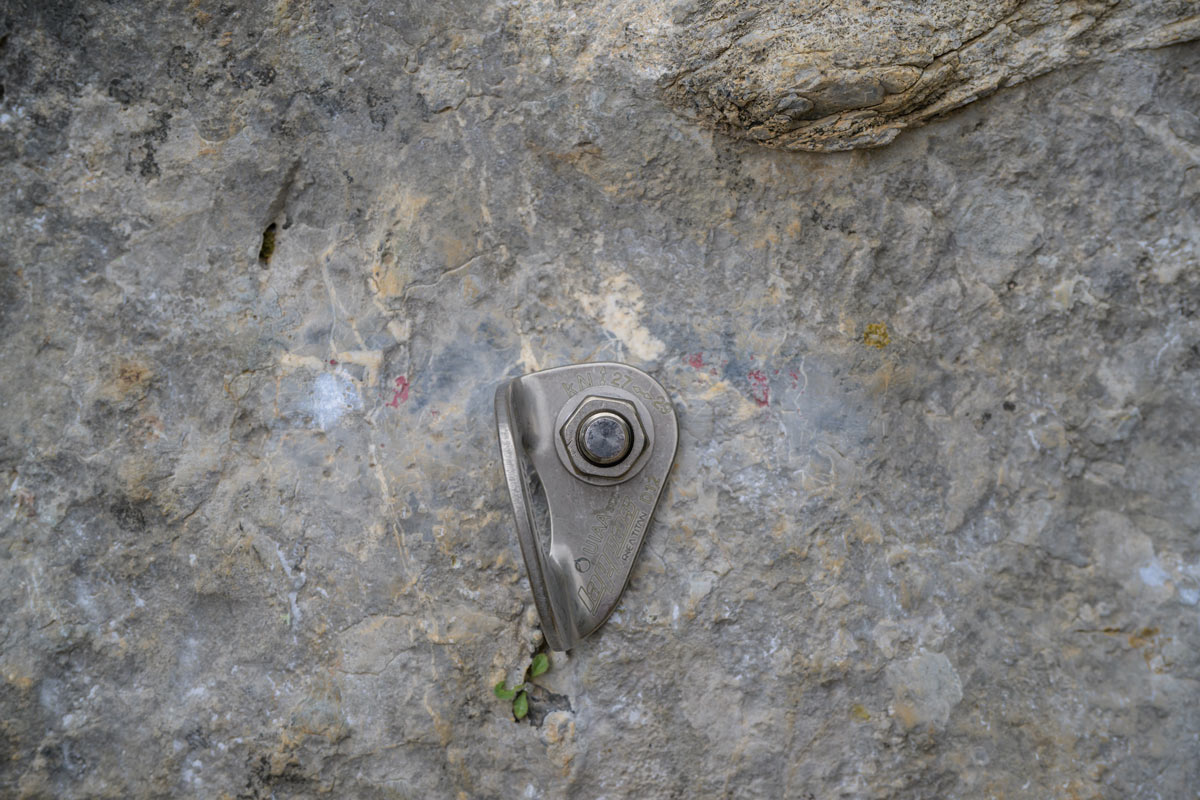
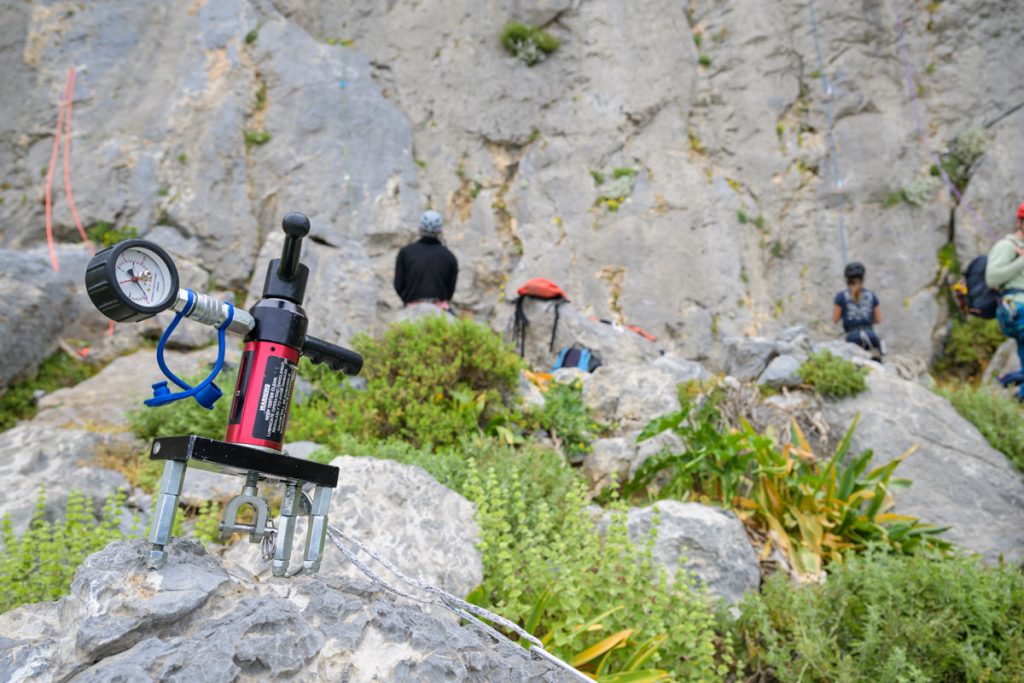
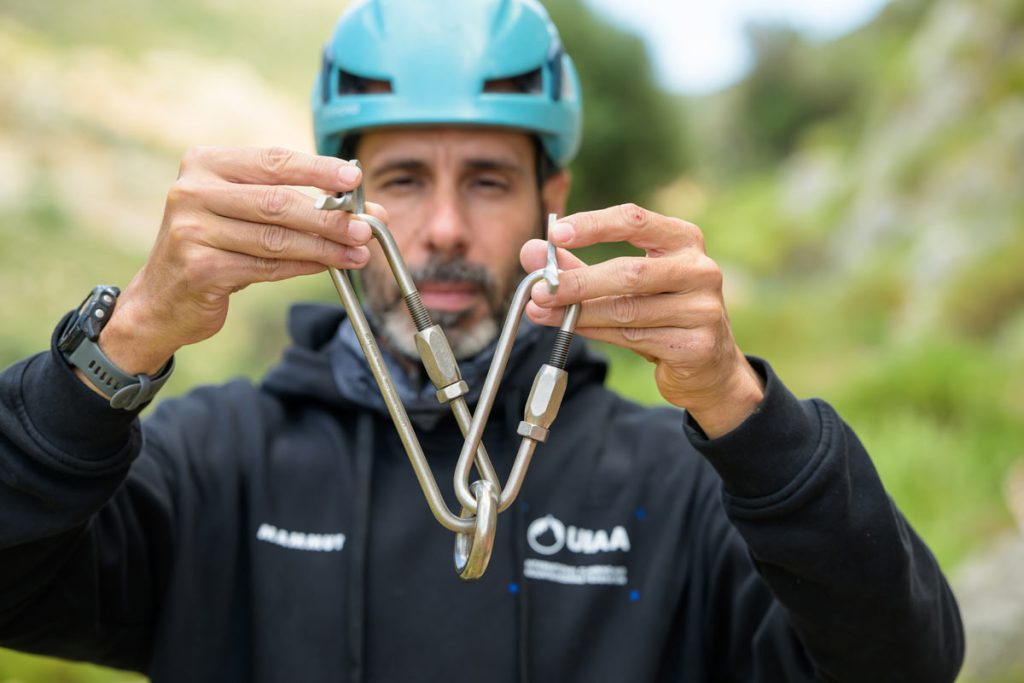
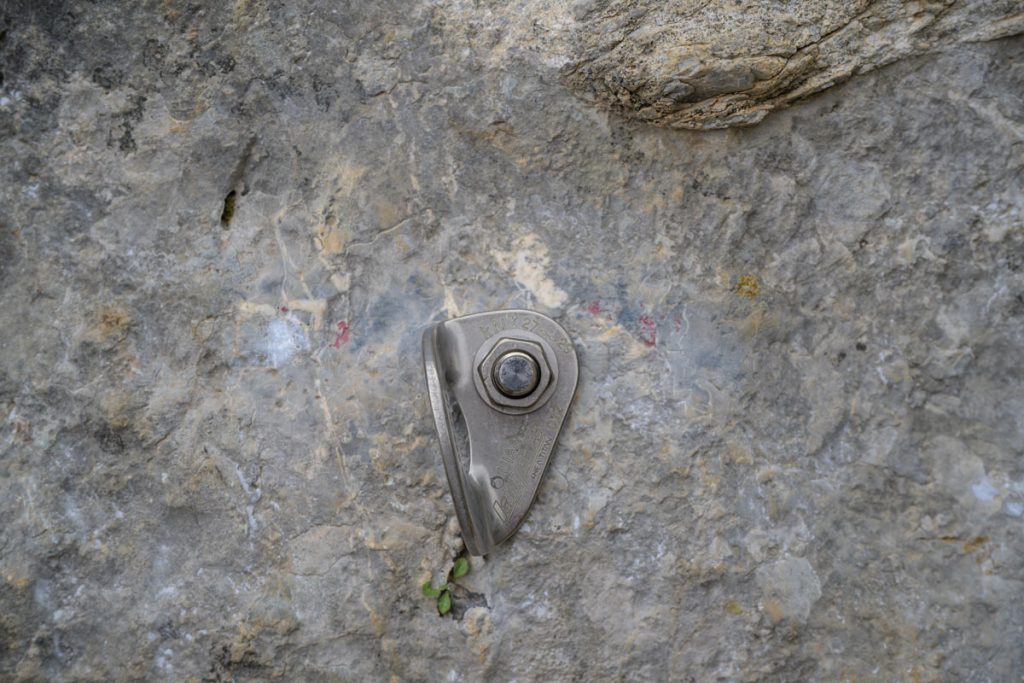
The next revision of UIAA 123: Rock Anchors will likely address post-manufacturing surface treatments such as coatings and painting, due to concerns about hidden corrosion beneath treated surfaces. Its working group is also developing proposals for periodic revalidation of anchor products, recognising that changes in manufacturing processes, welding, surface finishing or suppliers may affect corrosion resistance even if mechanical strength remains unchanged. Findings from the Kalymnos crag inspections will also contribute to future discussions regarding corrosion resistance and long-term anchor performance
Revision – UIAA 157: Avalanche Probes and Shovels
A clarification to UIAA 157 concerning probe markings was formally approved without objection, while future discussions may be needed on avalanche shovel requirements, particularly regarding testing temperatures and material interpretation. The updated standard can be viewed here.
New – UIAA 171: Via Ferrata Construction
UIAA 171 on Via Ferrata construction was officially adopted after editorial and copyright-related revisions were completed. The revised document maintains the same technical requirements while ensuring independence from copyrighted EN wording. The standard can be viewed here.
Other Working Groups
Avalanche Transceivers
The Avalanche Transceivers Working Group reported positive outcomes from its first in-person meeting in Chamonix (full report here), where manufacturers and experts tested practical proposals for avalanche transceiver requirements that extend beyond current ETSI standards.
Brake Assistant Devices
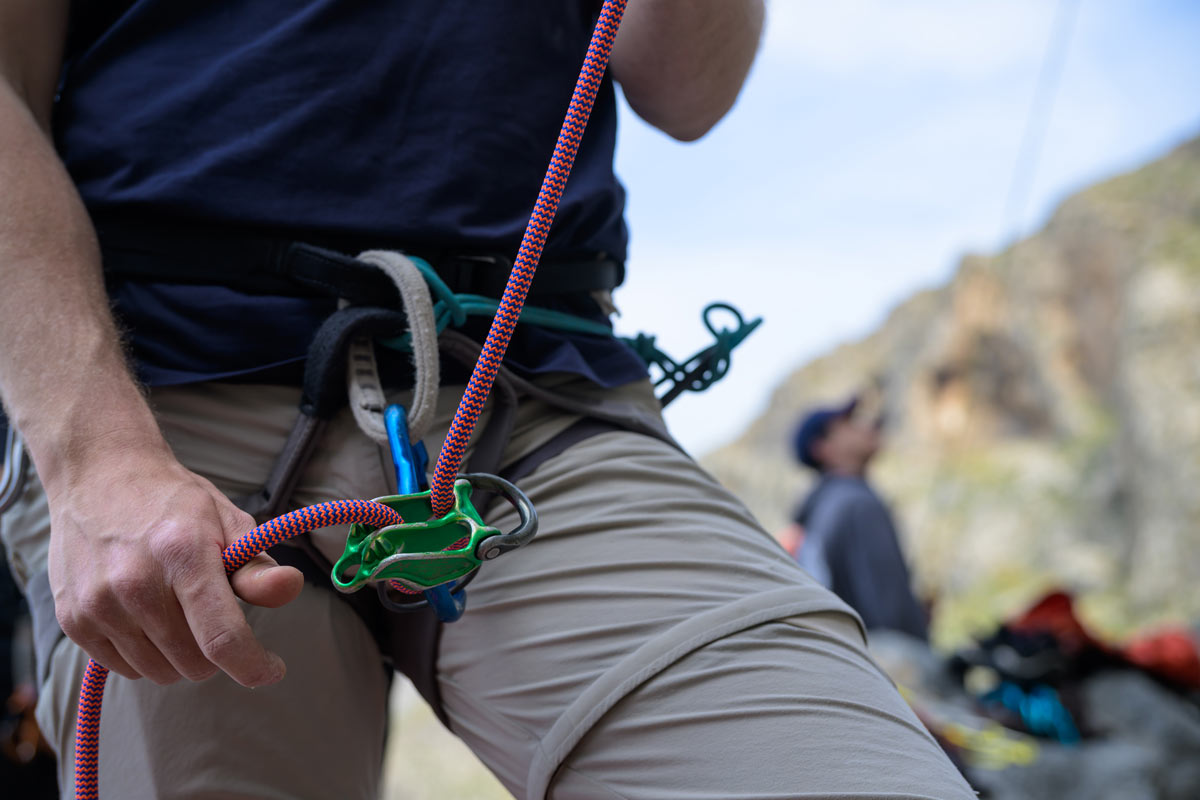
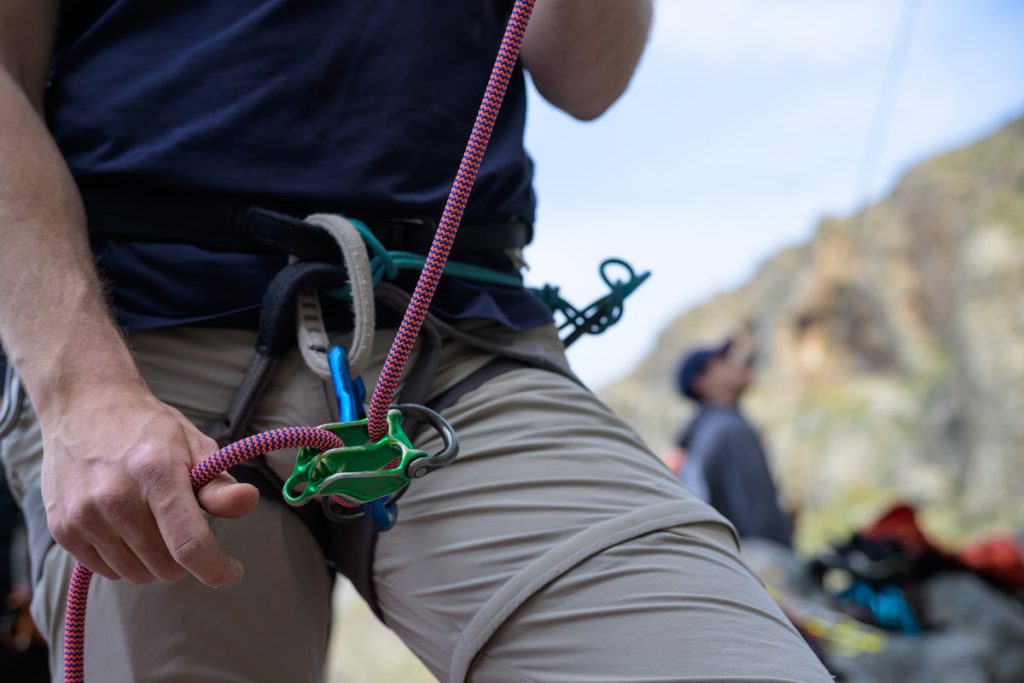
The Brake Assistant Devices Working Group discussed ongoing investigations into a reported accident involving a brake assistant device. Although the number of incidents remains extremely low relative to the number of devices in use, the group agreed that improved user information and education are needed.
Safety in climbing gyms
One significant topic was climbing gym safety, where a survey distributed across more than 25 countries revealed substantial variation in national legal frameworks, supervision standards, equipment rental procedures and user competence requirements. The findings demonstrated that there is currently no globally consistent approach to gym safety management. A working group will now assess whether its future output should consist of recommendations, examples of good practice or broader educational guidance for operators and users.
Rope cutting and edge testing
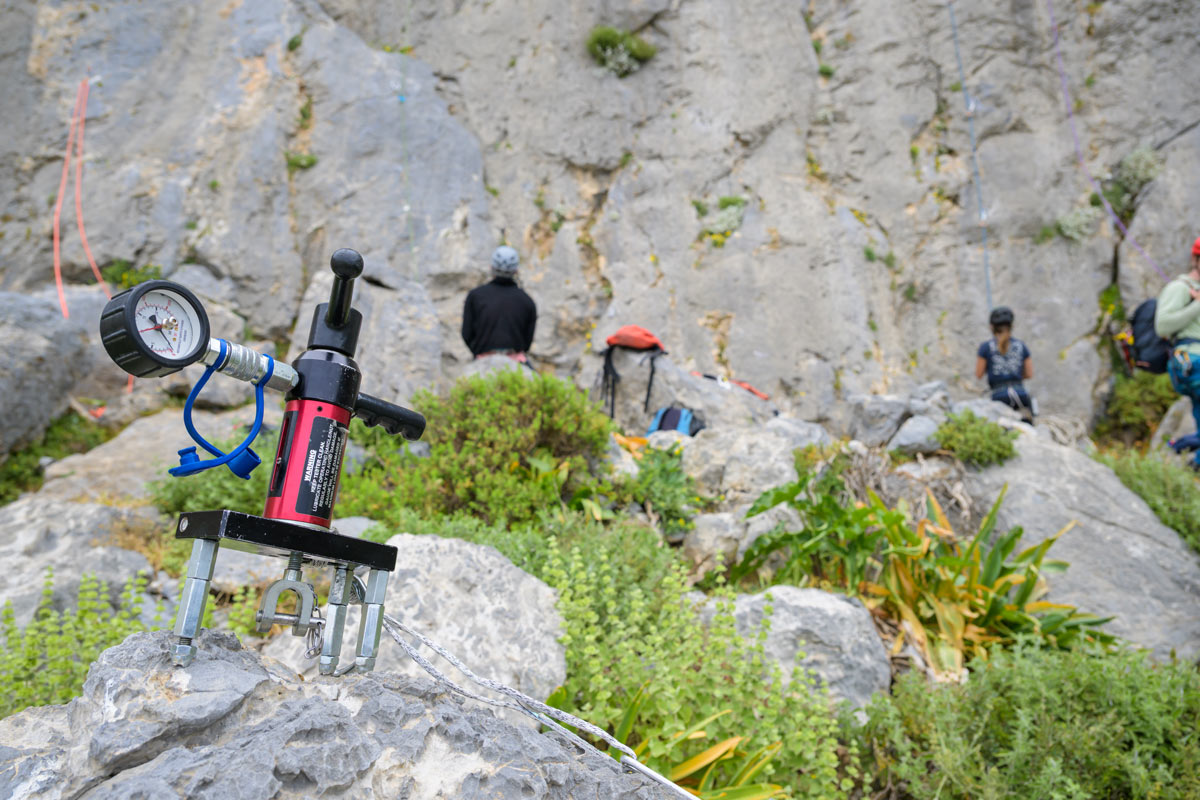
Another important technical update concerned rope cutting and edge testing. Over the past year, the dedicated working group conducted extensive testing involving falls over threaded rods, granite edges and controlled cutting experiments. Approximately 750 cutting tests were carried out, helping researchers investigate how factors such as rope preload, blade geometry and rope angle influence rope failure. The group plans to continue refining testing methods and improving measurement accuracy over the coming year.
—
The event was hosted in collaboration with the Municipality of Kalymnos and the Hellenic Federation of Mountaineering and Climbing. The UIAA thanks the organisers and all delegates for the valued contributions to an epic week of climber safety events.
—
All photo credits copyright: UIAA/Rainer Eder